
Search
Showing results for "mental health aboriginal"
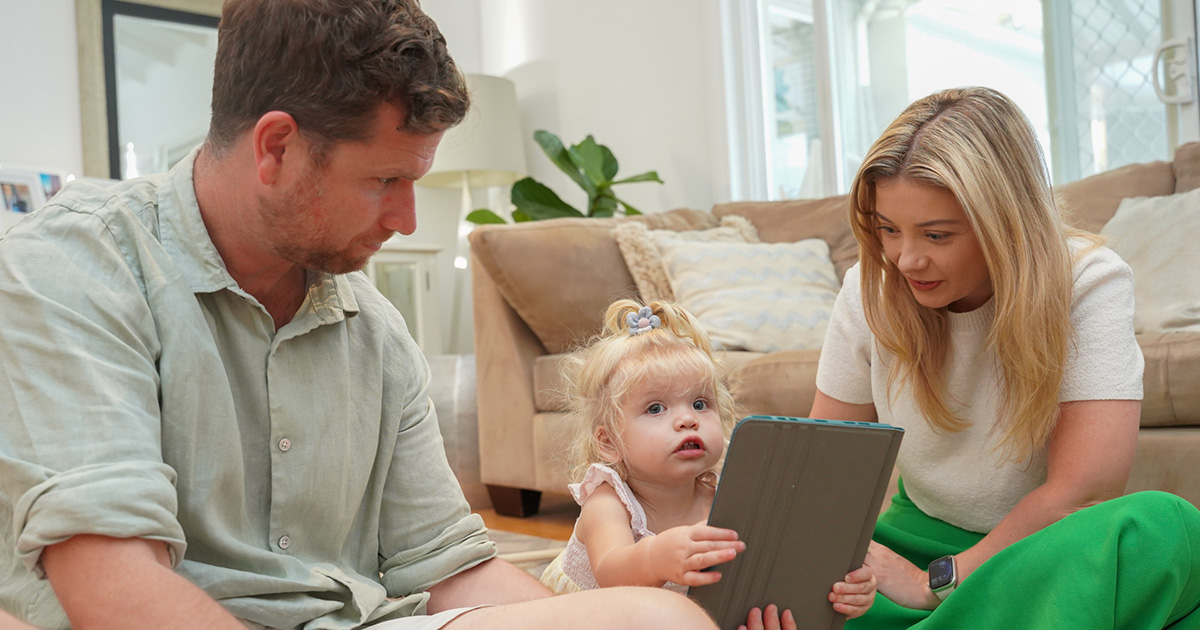
A first-of-its kind study has found that for every minute of screen time toddlers are exposed to at home, they hear fewer adult words, make fewer vocalisations and engage in fewer back-and-forth conversations with their parents.
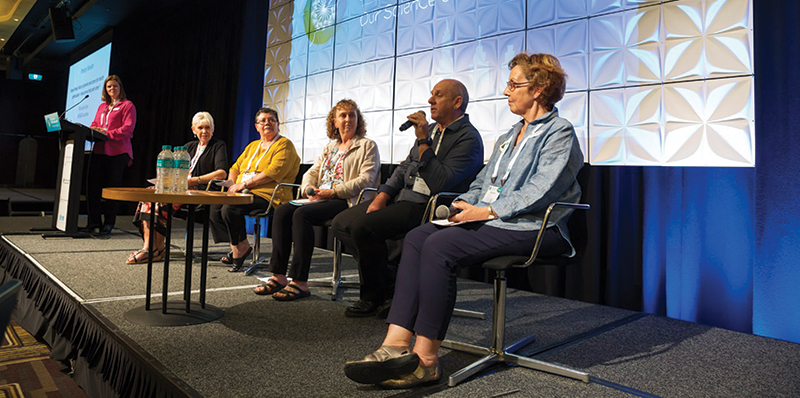
Held every two years, the Australasian FASD Conference is a significant and unifying event for those in the Fetal Alcohol Spectrum Disorder sector.
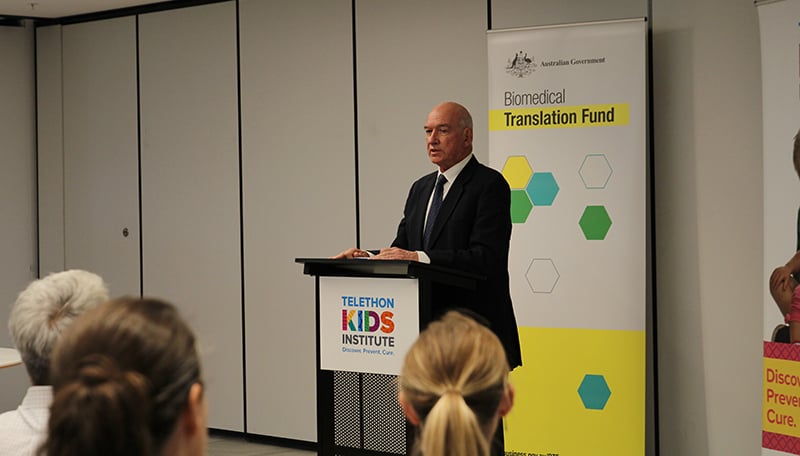
A The Kids Research Institute Australia spin-off company has received $20 million from the Medical Research Commercialisation Fund to develop a promising new therapy for the treatment of Cystic Fibrosis.
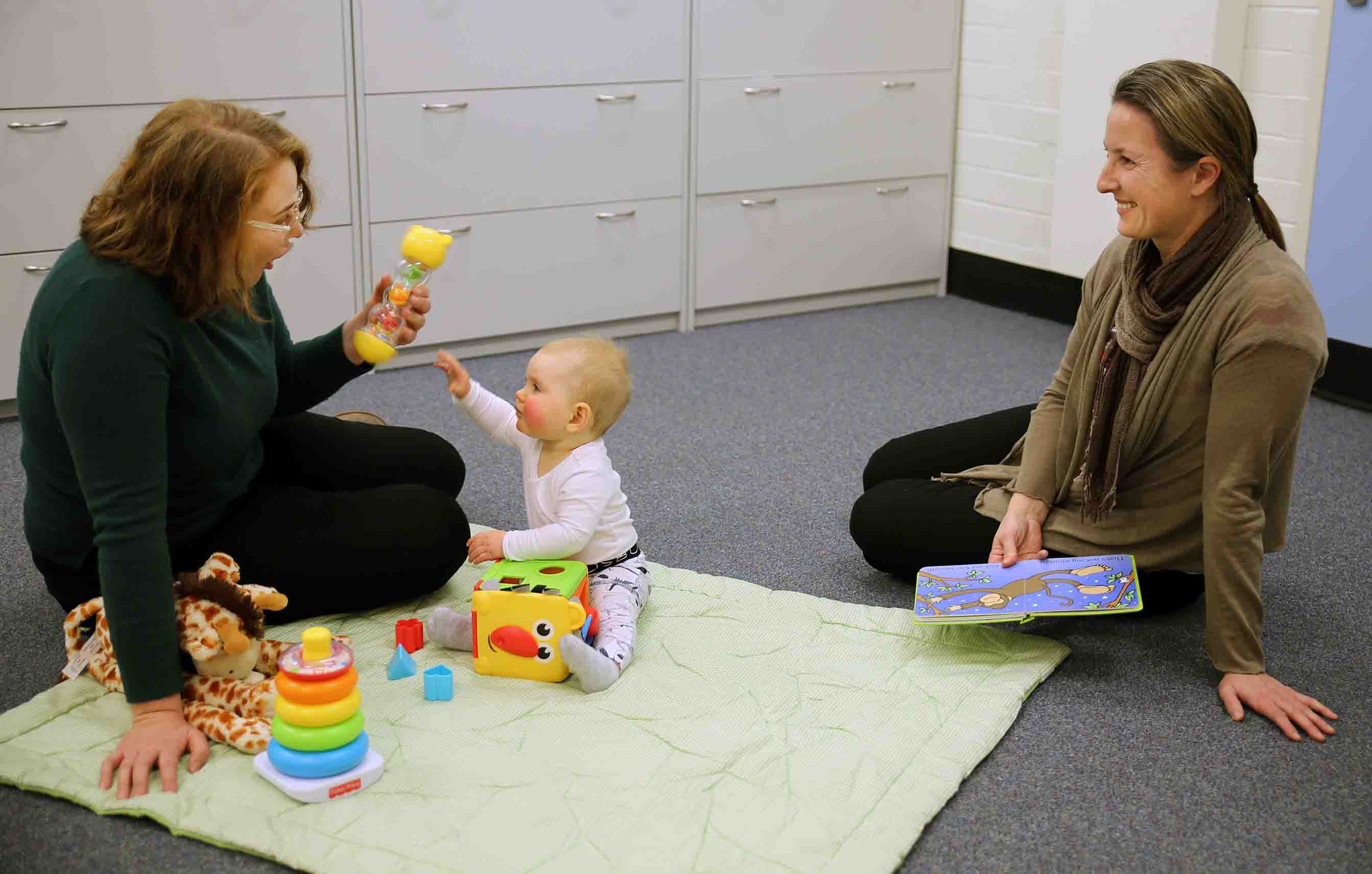
The first rigorous trial of a pre-emptive behavioural intervention for babies showing early signs of autism has found the therapy can improve early language development.
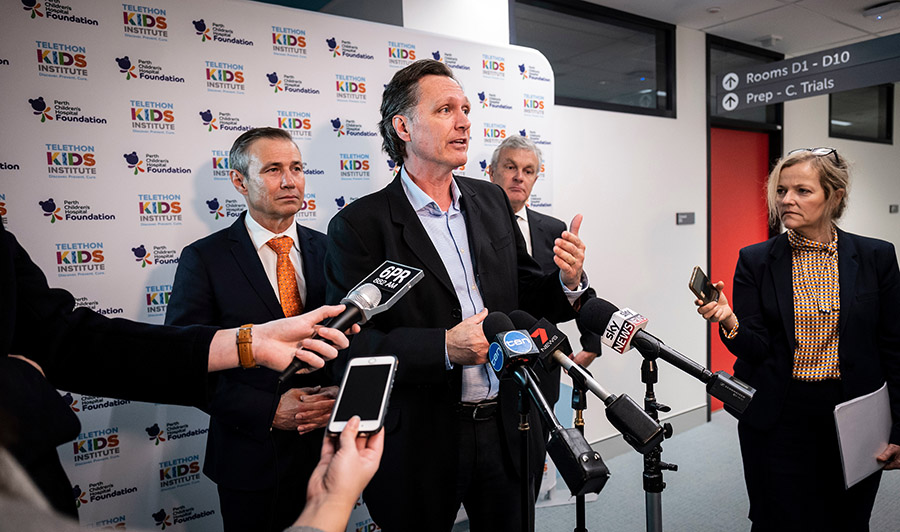
Thanks to a partnership with Perth Children’s Hospital Foundation, Perth’s The Kids Research Institute Australia will be at the forefront of a global push to decode the human immune system to transform how we prevent, diagnose and treat disease as the first international hub of the Human Vaccines Project.
Review and highlight of the significant advances made towards vaccine development and understanding of the immunology of otitis media
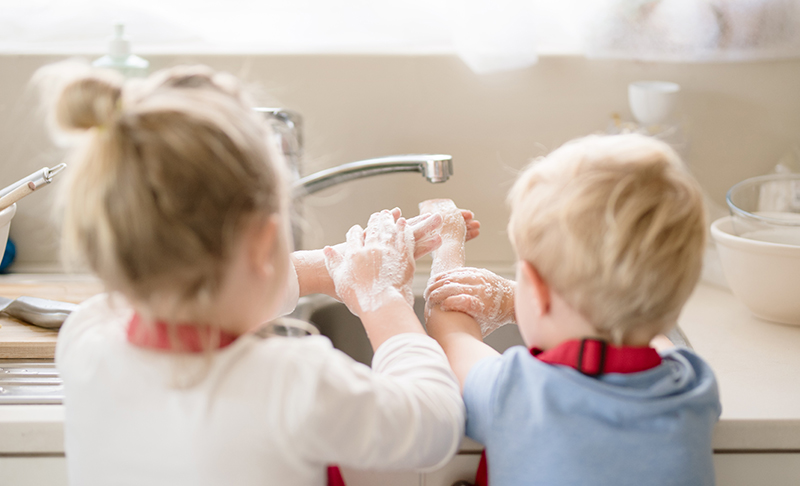
Comparatively few children have tested positive for coronavirus (COVID-19). Here’s what we know so far about how children are affected.
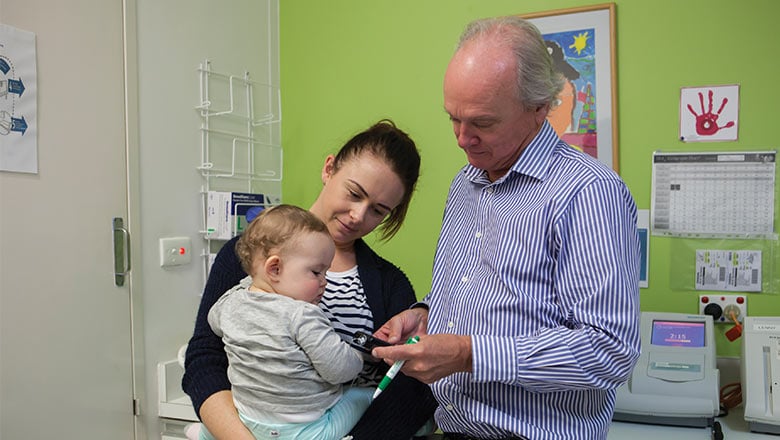
Diabetes research got a huge boost when the WA Children’s Diabetes Research and Education Centre for Research Excellence opened late last year.
We have previously demonstrated that mice exposed to geogenic dust PM10 experienced an exacerbation of inflammatory responses to influenza A virus.
In disease settings, vitamin D may be important for maintaining optimal lung epithelial integrity and suppressing inflammation, but less is known of its effects prior to disease onset.