
Search
Showing results for "Childhood interstitial lung disease "
Recently, an established "small macrophage" phenotype has been observed in the sputum of patients with CF and COPD. However, little is known about the...
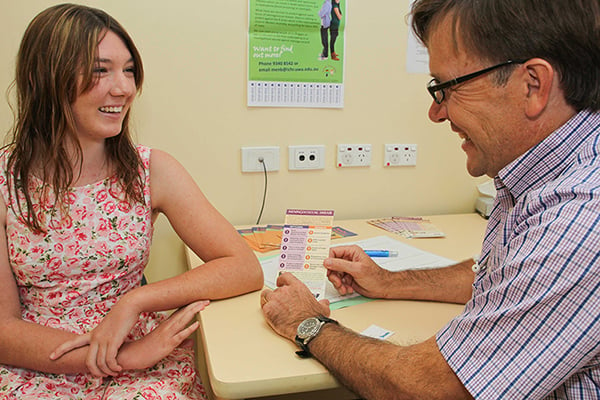
Meningococcal disease is caused by the bacteria Neisseria meningitidis, or 'meningococcus'. It is an uncommon but very serious disease that can result in death if not recognised and treated quickly.
Otitis media (OM), or middle ear infection, is one of the most common childhood illnesses globally. In Australia, OM remains a leading cause of antibiotic prescriptions in children, despite growing awareness of antimicrobial resistance (AMR) and the need for stewardship. Preventing OM not only reduces the burden of disease but also plays a critical role in curbing unnecessary antibiotic use and slowing the rise of AMR.
We hope that through earlier diagnosis and treatment of muscle weakness during sleep, we can prevent future lung failure in children with neuromuscular disorders.
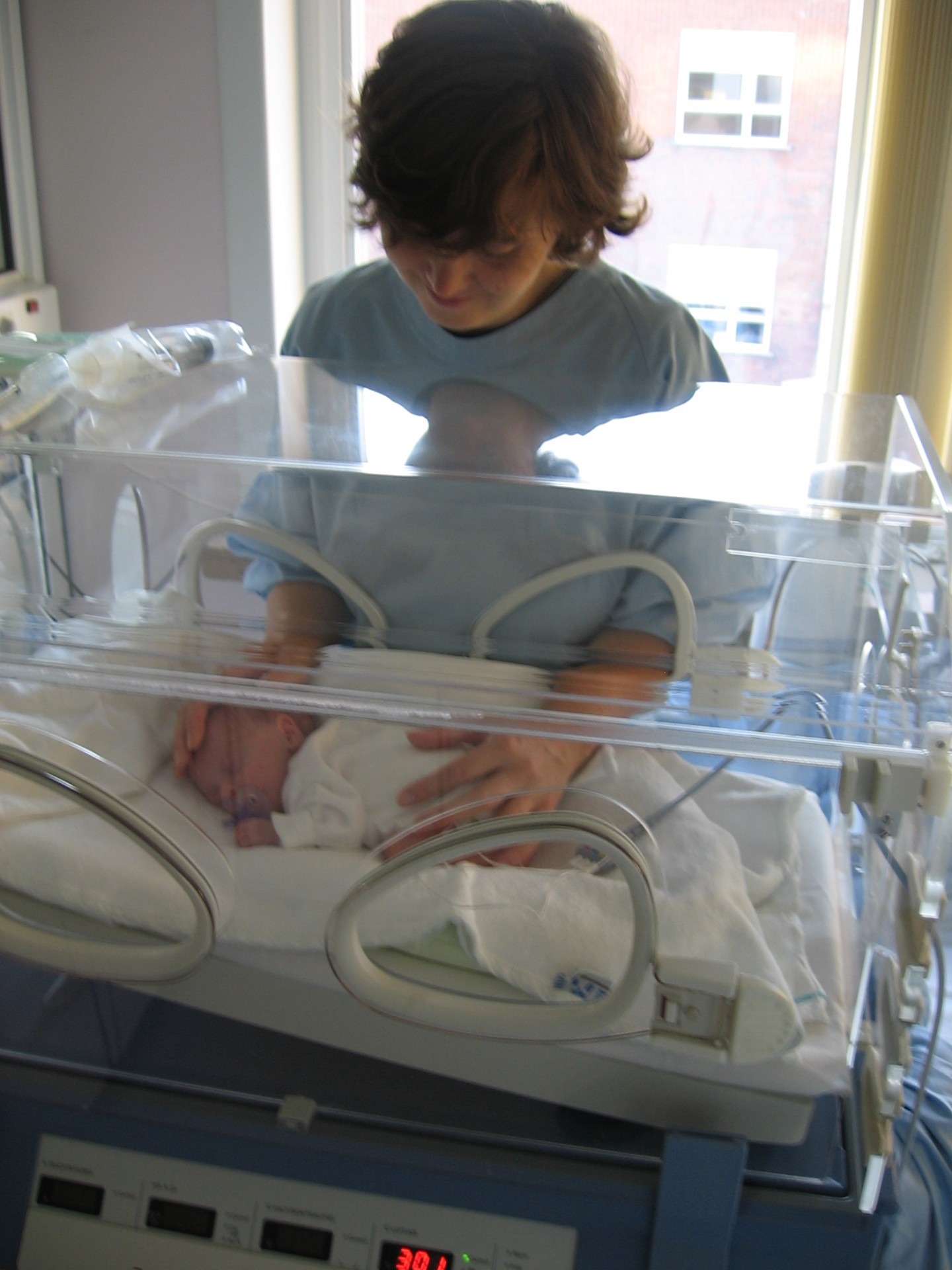
With premature babies facing lung problems, researchers with the Children’s Lung Health group are working to identify ways to improve the long-term impact.

Early Lung Disease in Infants and Preschool Children with Cystic Fibrosis. What Have We Learned and What Should We Do about It? Abstract The past
Vitamin D deficiency is a global public health problem and has been associated with an increased incidence and severity of many diseases including diseases...
This review summarizes what we have learned about early lung disease in children with CF and discusses the implications for clinical practice and research
The ACE project is led by Dr Pamela Laird and aims to improve post-hospitalisation follow-up of Indigenous children hospitalised with acute lower respiratory tract infections.
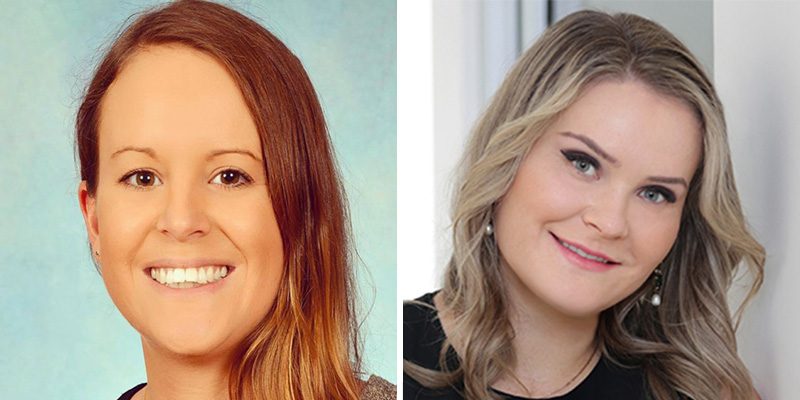
Two researchers focused on improving outcomes for children with chronic lung disease and averting suicide contagion and suicide clusters in young people have won prestigious Investigator Grants from the National Health and Medical Research Council.