
Asthma is the most common chronic lung disease in childhood. There has been a significant worldwide effort to develop tools/methods to identify child…
There is no consensus on how best to measure responses to interventions among children and adults with cystic fibrosis (CF). We have systematically r…
Surfactant, which was first identified in the 1920s, is pivotal to lower the surface tension in alveoli of the lungs and helps to lower the work of b…
Chinese immigrants living in Australia experience increased allergic conditions: asthma, eczema, hay fever and wheeze. Recently we reported diminishe…
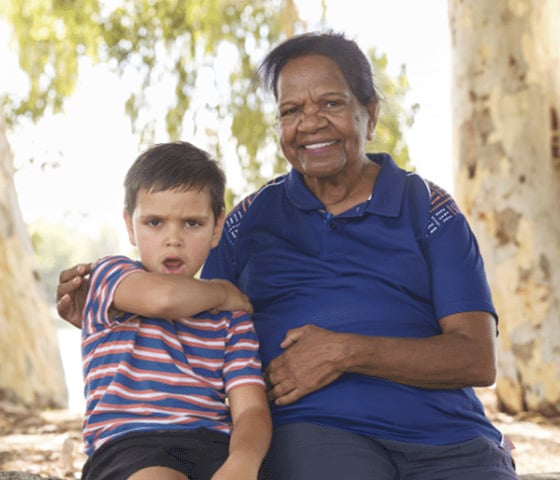
This project aims to determine the prevalence of chronic wet cough, PBB and middle ear disease in Aboriginal children in Aboriginal communities in th…
Childhood asthma begins as wheeze (a whistling sound produced by the airways during breathing) during preschool age.
In partnership with Aboriginal health services, Government agencies and communities, we will develop and implement evidence-based strategies to impro…
Our team aims to optimise lung health early in life to ensure the best possible health outcomes later in life.