
Search
Showing results for "Childhood interstitial lung disease "

Researchers will work with Aboriginal & Torres Strait Islander women in SA to devise better ways to care for women at risk of pregnancy complications caused by diabetes and cardiovascular disease.
The END RHD CRE is producing a costed, step-wise strategy to end rheumatic heart disease (RHD) as public health priority in Australia.
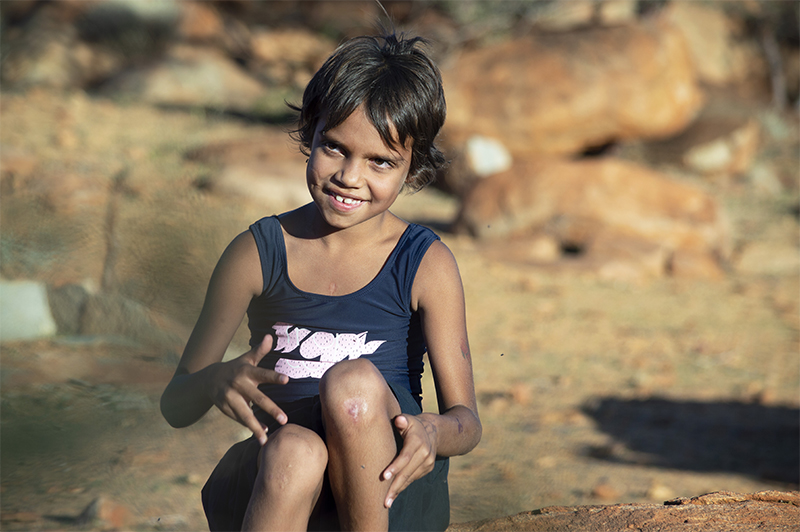
Rheumatic heart disease, a deadly yet entirely preventable heart disease taking the lives of Aboriginal and Torres Strait Islander people, is finally on the verge of elimination thanks to new research

Painful monthly penicillin injections to treat and prevent Rheumatic Heart Disease (RHD) could be replaced with a longer-acting implant, a recent study has found.
The airway epithelium is the primary structural and functional airway barrier and orchestrates innate immunity. Some children may have underlying epithelial vulnerabilities that contribute to the pathogenesis of acute wheeze and asthma.
For 20 years, the hygiene hypothesis has dominated attempts to explain the increasing prevalence of allergic disease. A causal link between maternal innate immu
This editorial viewpoint regarding the outcomes from the third global Rheumatic Heart Disease Forum intends to carry forward dialogue & engage new...
The upper airway may play a role in the respiratory symptoms experienced by some very preterm children and should be considered by clinicians
The nasal epithelium is the primary point of contact for inhaled respiratory viruses such as rhinovirus, respiratory syncytial virus, influenza, and coronavirus, among others. In order to establish infection, these viruses must engage their respective receptors located on host epithelial cells and begin replication.

The Wal-yan Respiratory Research Centre is proud to have a team of researchers taking part in, and contributing to, the outstanding scientific programme of the European Respiratory Society International Congress, taking place in Milan.