
Search
Showing results for "autism"
Changes in emotional and behavioural problems for young people with intellectual disability with and without Down syndrome as they transition into adulthood
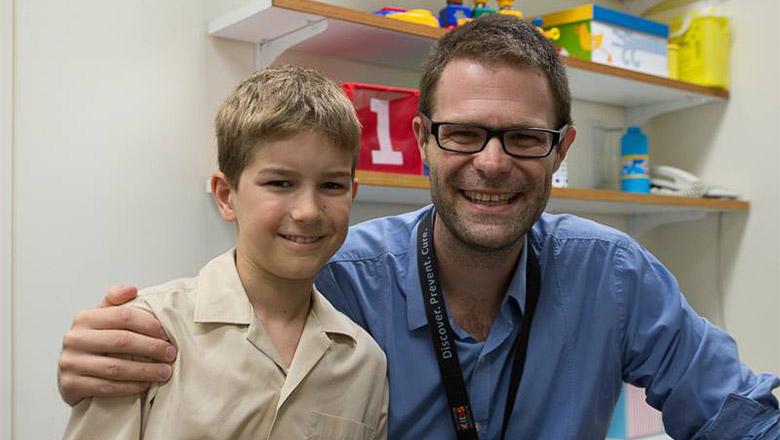
Ten year old Scott has been walking for Telethon since he was four years old and he's now raised a massive $100 thousand for Telethon.
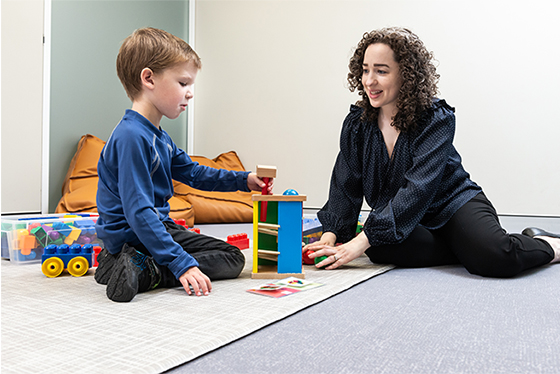
The ESDM aims to promote a child’s development across all domains, including language, joint attention, imitation, cognition, play and social skills, and fine and gross motor skills.
Learn more about the SenseVest Study at CliniKids
The purpose of this review was to describe literature relating to transition for young people with an intellectual disability and identify knowledge base gaps.
The aim of this study was to examine the association between maternal alcohol use disorder and intellectual disability in children.

PhD student
Information on presence and age at onset of seizures, perinatal and developmental history, and genetic status was abstracted on 275 cases in the Australian...
To examine the prevalence, cumulative incidence, and survival in an Australian cohort with Rett syndrome (RTT).

Clinical Lead, Occupational Therapy