
Search
Showing results for "mental health aboriginal"

The Kids Research Institute Australia researchers have been awarded more than $11.3 million in funding from the National Health and Medical Research Council (NHMRC).
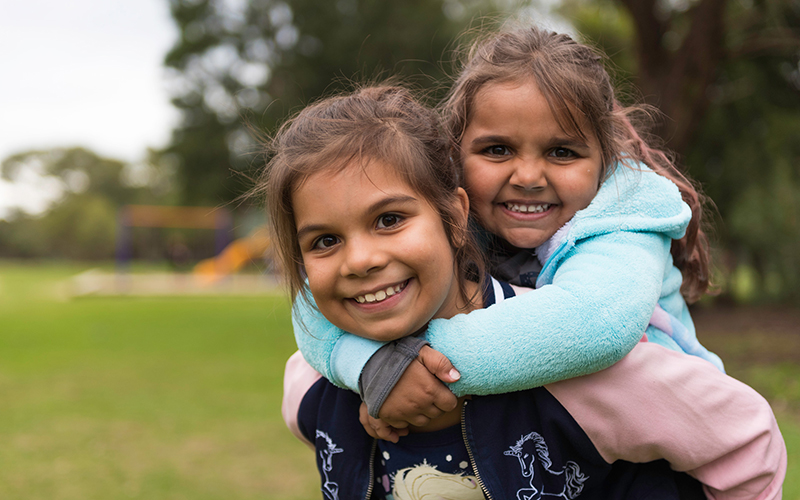
A new national network will be established to advance the benefits from Genomic Medicine for Aboriginal and Torres Strait Islander people living in Australia.
Declining worldwide or national stroke incidence rates are not always mirrored in disadvantaged, minority populations. Logistical barriers exist for effective measurement of incidence in minority populations; such data are required to identify targets for culturally appropriate interventions. In this comparative review, we aimed to examine whether “gold-standard” methodologies of stroke incidence studies are most effective for minority populations.

Four The Kids Research Institute Australia researchers have been awarded $8.8 million in prestigious Investigator Grants from the National Health and Medical Research Council to pursue innovative child health research focused on autism, childhood cancer, skin health, and Aboriginal genomics.
This article discusses the merits and potential shortcomings of a study reported previously showing that giving Vitamin C to women who smoked during...
In children, chronic wet cough may be a sign of underlying lung disease, including protracted bacterial bronchitis (PBB) and bronchiectasis. Chronic (> 4 weeks in duration) wet cough (without indicators pointing to alternative causes) that responds to antibiotic treatment is diagnostic of PBB. Timely recognition and management of PBB can prevent disease progression to irreversible bronchiectasis with lifelong consequences. However, detection and management require timely health-seeking by carers and effective management by clinicians.
We examined uptake of inactivated influenza vaccination in pregnancy and report adverse birth outcomes amongst a predominantly unvaccinated group
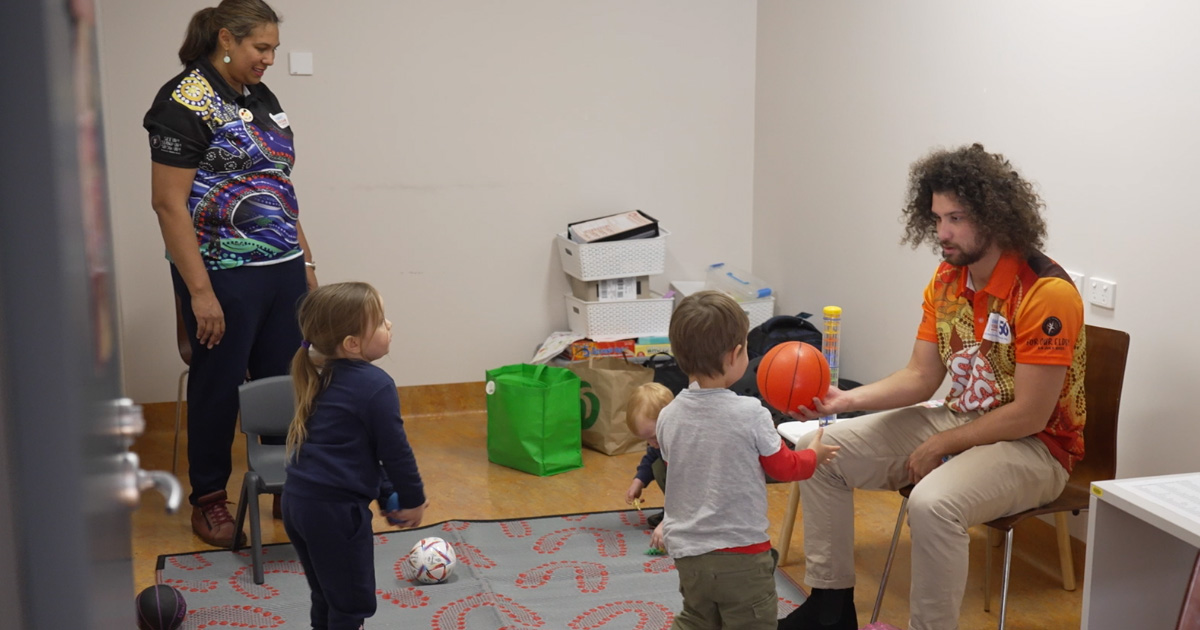
Complex health needs of Indigenous children are being fast-tracked by a unique project designed to reduce red tape and deliver timely paediatric services.
This paper argues for the enhancement of scoping review methods to incorporate Indigenous ways of knowing, being, and doing for more effective understandings of evidence of importance to Indigenous populations.
The mandatory fortification of wheat flour for bread-making has increased folate status and reduced Neural Tube Defects in the Australian Aboriginal population