
Search
Showing results for "early lung health"
This study investigated the relapse and outcome patterns of patients with central nervous system mixed malignant germ cell tumors treated with chemotherapy-only
Neutrophils are a type of immune cell that can trigger inflammation and may play a role in the development of MS.

Our Board of Directors all give their time voluntarily and work together to guide the overall business of the Institute, bringing a diverse range of experience from the business, academic and community sectors.
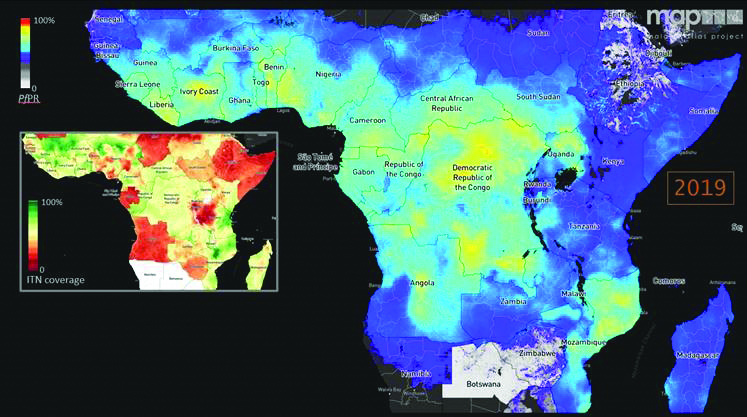
A global network of researchers led by Kerry M Stokes Chair of Child Health, Professor Pete Gething, is working to help support informed decision-making for malaria control at international, regional and national scales.

Strong advocacy efforts have paid off with health and food safety ministers from around Australia and New Zealand finally approving the recommended version of a warning label designed to highlight the potential risks of alcohol during pregnancy.

ACCARE provides high level advice to the Institute's Director around strategic directions and operational elements relating to Aboriginal health research
Arboviruses transmitted mainly by Aedes (Stegomyia) aegypti and Ae. albopictus, including dengue, chikungunya, and Zika viruses, and yellow fever virus in urban settings, pose an escalating global threat. Existing risk maps, often hampered by surveillance biases, may underestimate or misrepresent the true distribution of these diseases and do not incorporate epidemiological similarities despite shared vector species.
The gastrointestinal tract has one of the most diverse and complex microbial communities in nature which is shaped by both external and internal factors throughout a human's lifespan. The gut microbiota and the host have coevolved and coexisted to create a mutualistic relationship as the bacterial community has many functions in the body.
Human movement drives spatial transmission patterns of infectious diseases. Population-level mobility patterns are often quantified using aggregated data sets, such as census migration surveys or mobile phone data. These data are often unable to quantify individual-level travel patterns and lack the information needed to discern how mobility varies by demographic groups. Individual-level datasets can capture additional, more precise, aspects of mobility that may impact disease risk or transmission patterns and determine how mobility differs across cohorts; however, these data are rare, particularly in locations such as sub-Saharan Africa.
This paper argues for the enhancement of scoping review methods to incorporate Indigenous ways of knowing, being, and doing for more effective understandings of evidence of importance to Indigenous populations.