
Search
Showing results for "early lung health"
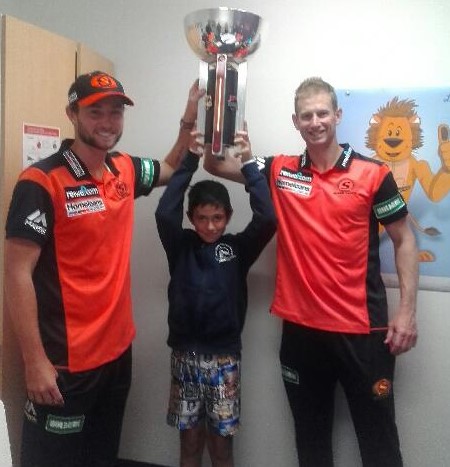
Players from Perth Scorchers’ KFC Big Bash team paid an unexpected visit to cricket fans in PMH’s diabetes ward recently.

Welcome to the team Clinical Psychologist Registrar Shane Lay and Operations Manager Pip Comiskey, who has replaced Leah Meehan while she is on parental leave.
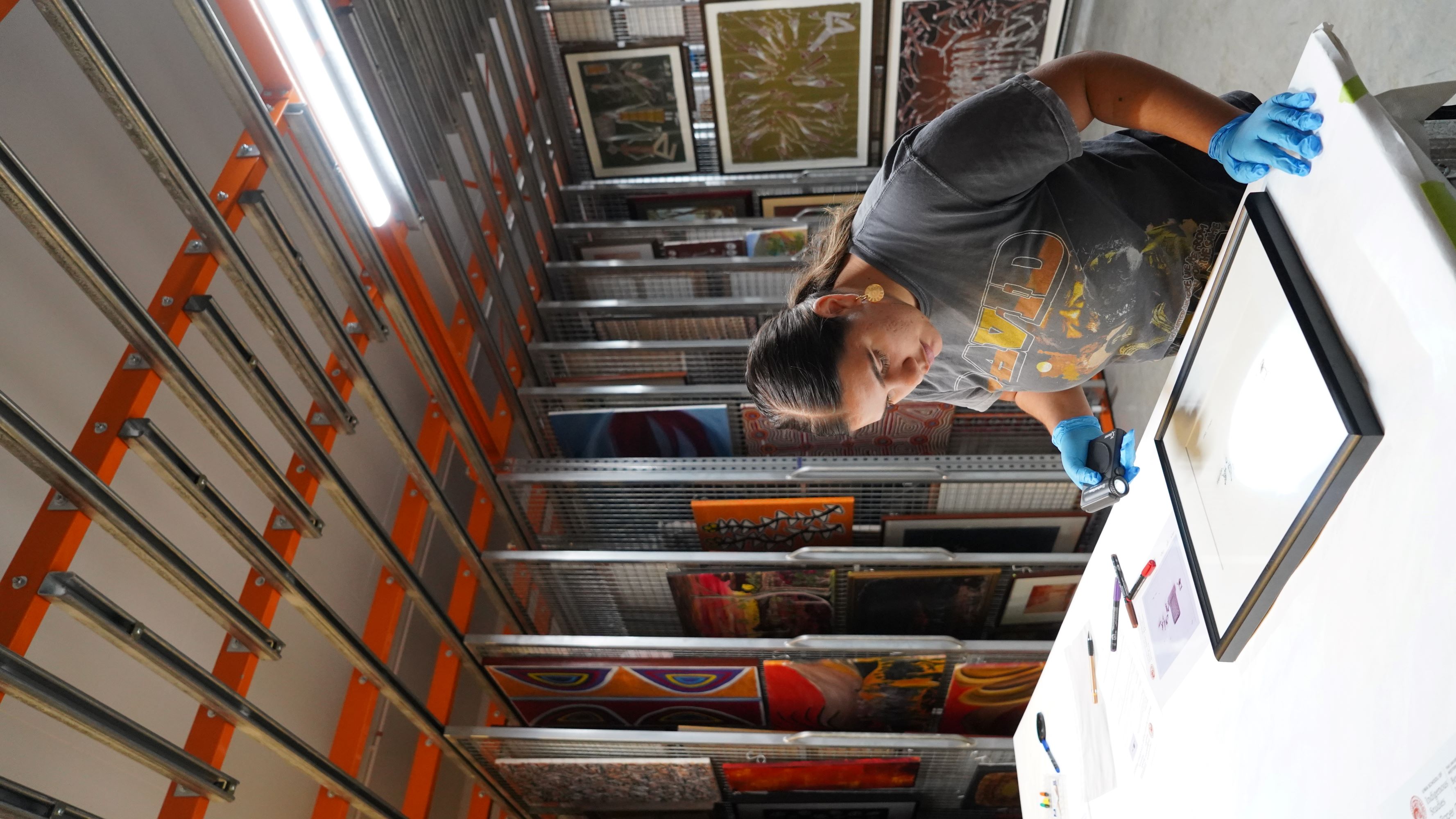
Aboriginal Project Officer Bek Morrison tells us about her experience interning at the Berndt Museum of Anthropology at UWA.
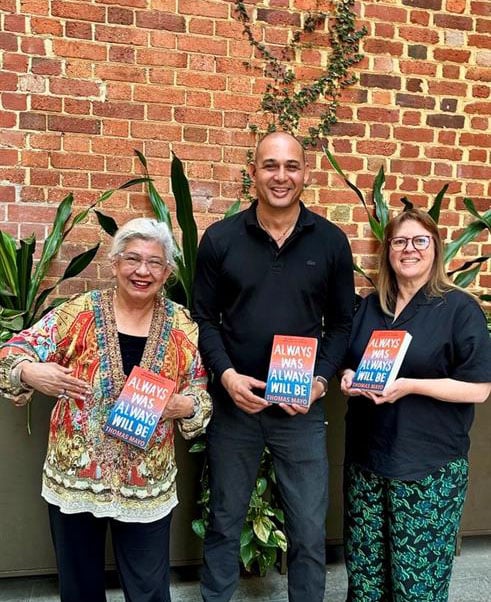
Professor Helen Milroy speaks about the importance of providing support to leading advocates after meeting with noted campaigner for a Voice to Parliament, Thomas Mayo.
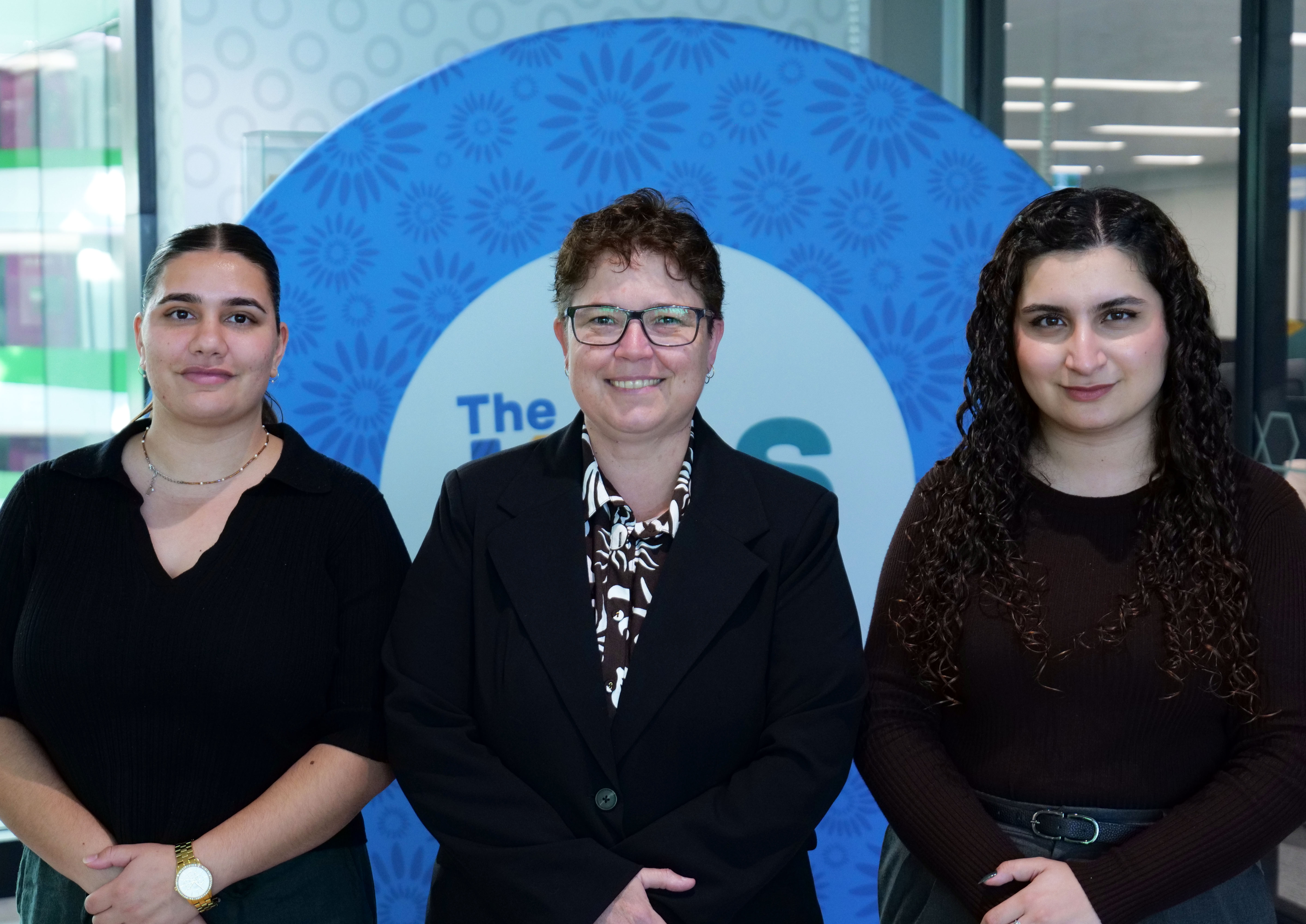
Researchers on the Embrace parenting program Rebeka Morrison, Nita Alexander, and Aysa Bahar Arjmand.
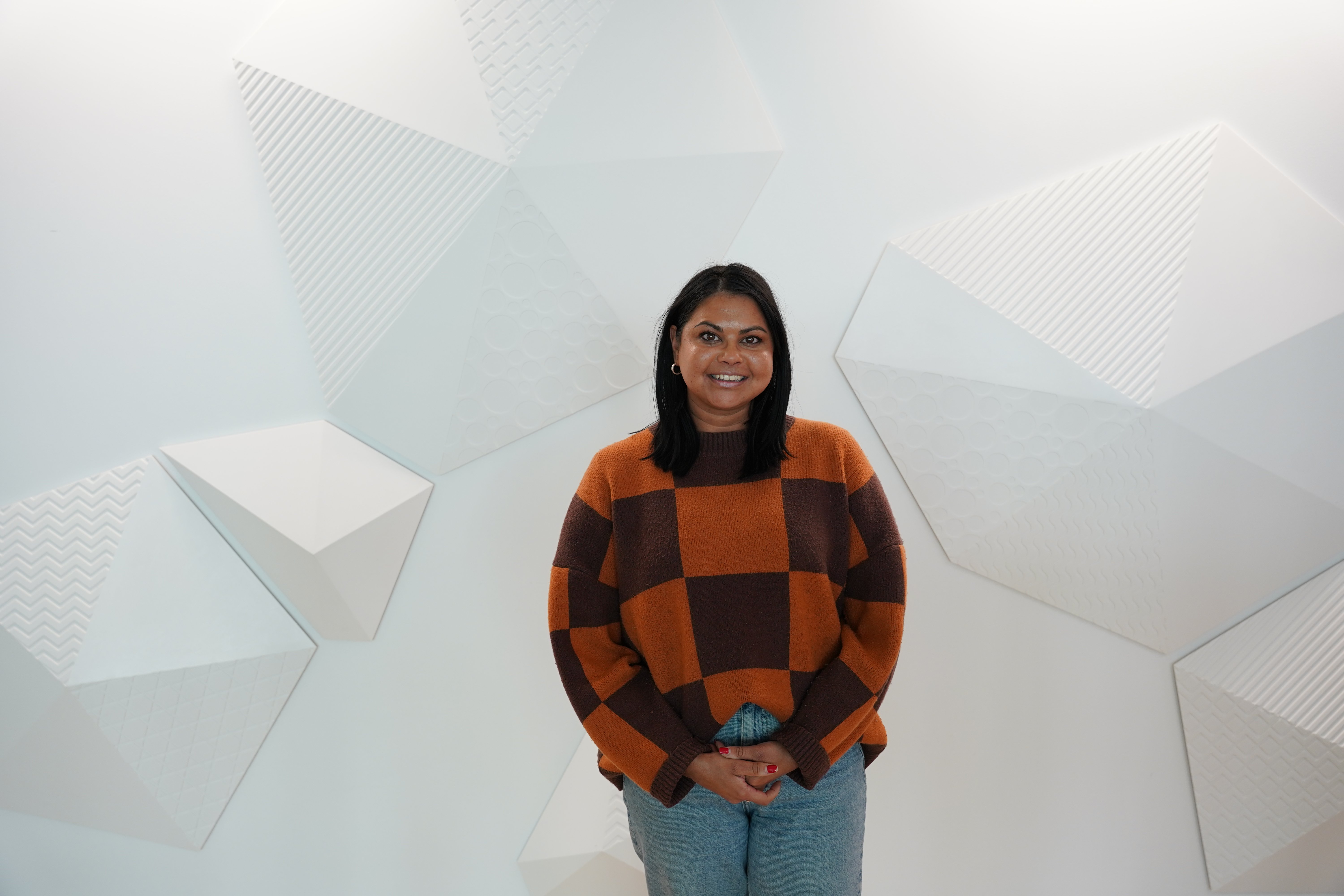
Project Officer Lisa Kickett will be funded by Embrace @ The Kids Research Institute Australia to complete a placement on a major parenting program research project, paving the way for her to complete her Master of Social Work degree.
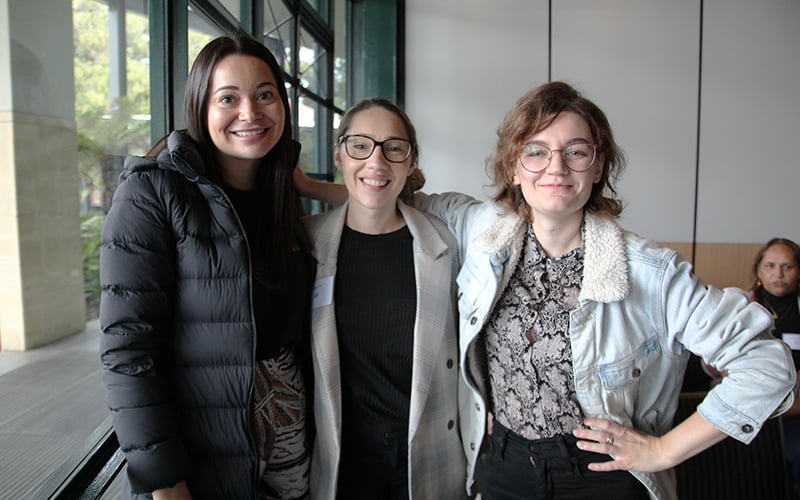
At The Kids Research Institute Australia, we are committed to the ongoing work in Aboriginal health which includes investment, support and training of our Aboriginal researchers and staff.
Chronic suppurative otitis media (CSOM), sometimes referred to as chronic otitis media (COM), is a chronic inflammation and often polymicrobial infection (involving more than one micro-organism) of the middle ear and mastoid cavity, characterised by ear discharge (otorrhoea) through a perforated tympanic membrane.
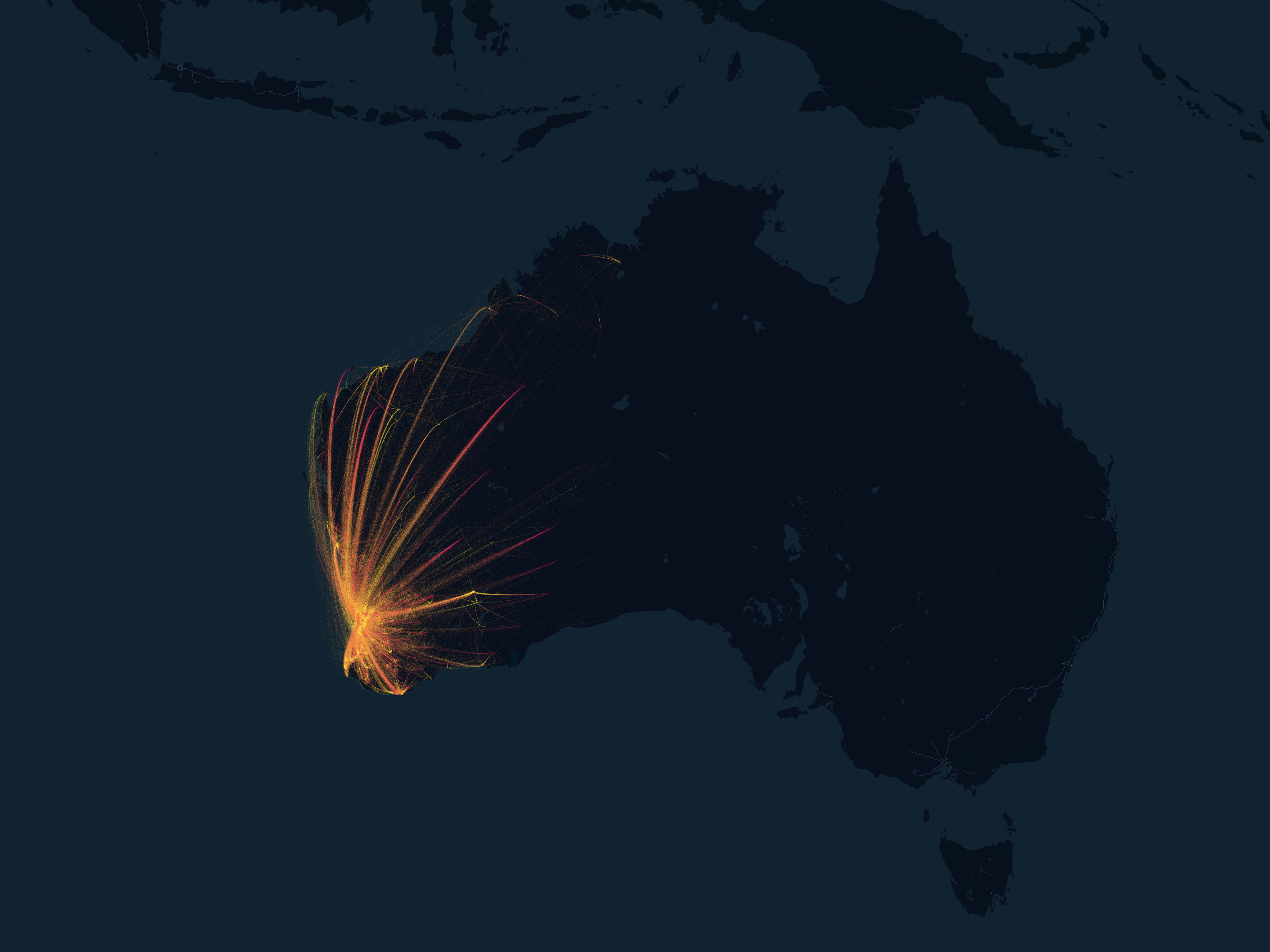
Researchers have developed a new model for simulating covid-19 outbreaks in Western Australia.
Climatic conditions play a key role in the transmission and pathophysiology of respiratory tract infections, either directly or indirectly. However, their impact on the COVID-19 pandemic propagation is yet to be studied.