
Search
Showing results for "mental health aboriginal"
This paper describes the Australian Early Development Index, a developmental census conducted by the Australian Government across the entire population of...
This work initially examines particle deposition in a Weibull-type geometry, comparing traditional computational fluid dynamics approaches with a novel...
In 2010, the Australasian Paediatric Endocrinology Group formed a national Children's Diabetes Network that represented clinical teams managing over 95% of...
The objective of this paper is to determine how well the EDI predicts a child's later literacy and numeracy outcomes as assessed by the National Assessment...
All alterations to lung mechanics following in utero arsenic exposure were recovered by adulthood.
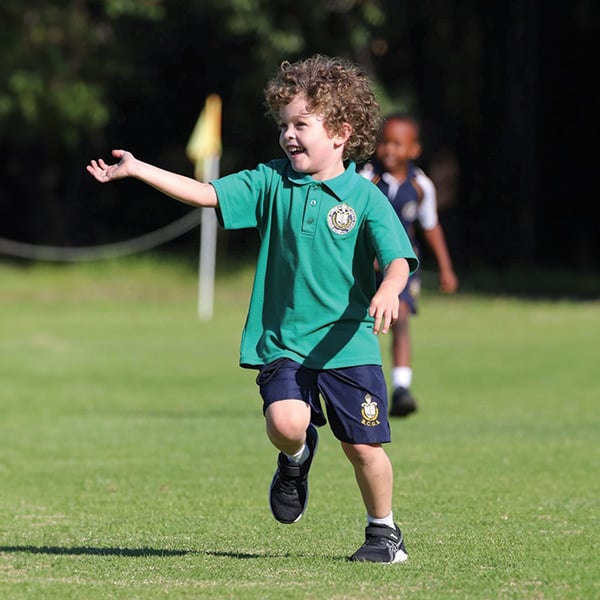
COMBAT CF is one of two long-standing international trials which have resulted in new early intervention options helping to reduce progressive lung damage in kids living with CF.

Despite respiratory syncytial virus (RSV) being the leading cause of hospitalisations in the first year of life, there is currently no routine preventative option for otherwise healthy babies.

The Kids researchers are working with Perth Children’s Hospital and other experts across the country to get ahead of a sneaky virus few mums or even health professionals have heard of.
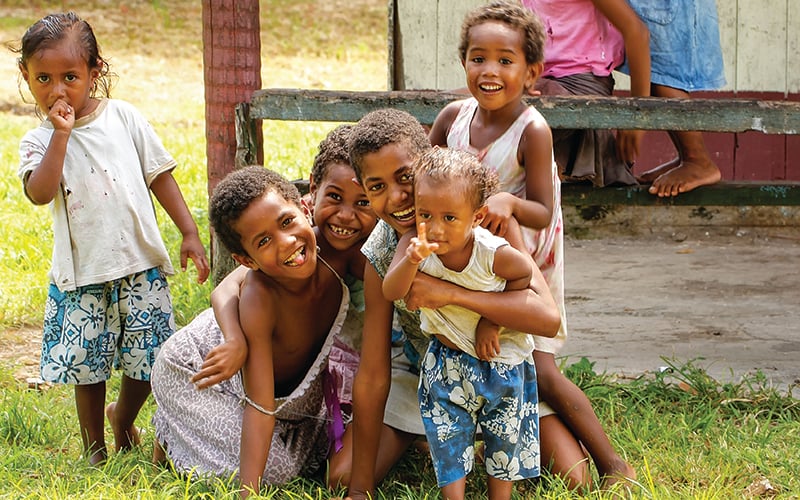
Children in the tiny Pacific nation of Tuvalu face a unique threat that should be a wake-up call to other countries across the world.
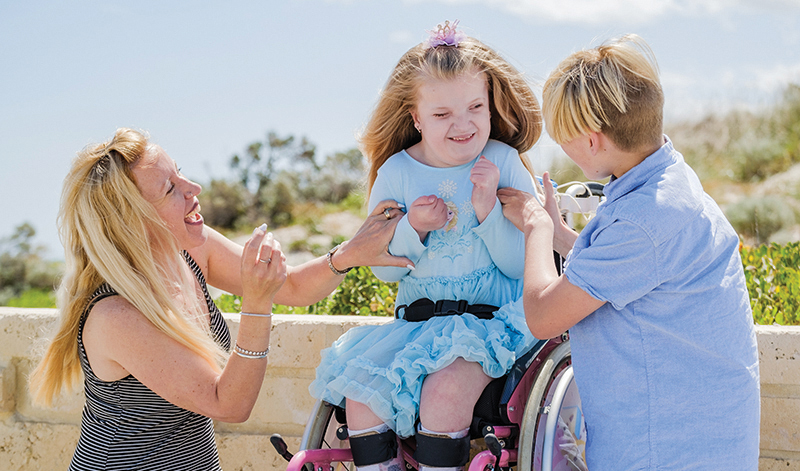
For thousands of WA children living with undiagnosed diseases, it’s hope.