Skip to content

Search

Showing results for "mental health aboriginal"

Do sex hormones at birth predict later-life economic preferences? Evidence from a pregnancy birth cohort study: Hormones at birth and preferences

Economic preferences may be shaped by exposure to sex hormones around birth. Prior studies of economic preferences and numerous other phenotypic characteristics use digit ratios (2D : 4D), a purported proxy for prenatal testosterone exposure, whose validity has recently been questioned. We use direct measures of neonatal sex hormones (testosterone and oestrogen), measured from umbilical cord blood (n = 200) to investigate their association with later-life economic preferences (risk preferences, competitiveness, time preferences and social preferences) in an Australian cohort (Raine Study Gen2).

Co-design of the neurodevelopment assessment scale

Neurodevelopmental disorders (NDDs) have high comorbidity rates and shared etiology. Nevertheless, NDD assessment is diagnosis-driven and focuses on symptom profiles of individual disorders, which hinders diagnosis and treatment. There is also no evidence-based, standardized transdiagnostic approach currently available to provide a full clinical picture of individuals with NDDs. The pressing need for transdiagnostic assessment led to the development of the Neurodevelopment Assessment Scale.

Caregiver broader autism phenotype does not moderate the effect of early caregiver-mediated support on infant language outcomes

Caregiver-mediated supports in general have shown mixed evidence for enhancing language outcomes in infants at higher likelihood of autism. While caregivers play a substantial role in caregiver-mediated supports, little is known about whether caregivers' own subclinical autistic features - known as broader autism phenotype - may moderate infant language outcomes. 

Evaluating placebo responses to intranasal oxytocin in autism: findings from the placebo lead-in phase of a randomised controlled trial

The placebo effect is established in clinical trials, but for paediatric research, questions remain about how to best manage its influence. Within the autism field, data on these issues is sparse. This is particularly important in the oxytocin field where placebo responses are thought to play an important role. This study reports on data from the single-blind, placebo lead-in phase of a randomised controlled trial to investigate the placebo response and its relationship to treatment response in autistic children. 

Characterization of invasive Group B Streptococcus isolates from Western Australian infants, 2004-2020

Invasive Group B Streptococcus remains a leading cause of infant morbidity and mortality. Intrapartum antibiotic prophylaxis has been implemented in many countries with a reduction in early-onset disease, but an effective vaccine may further reduce the disease burden. Candidate vaccines targeting capsular polysaccharides and surface proteins are now in clinical trials. 

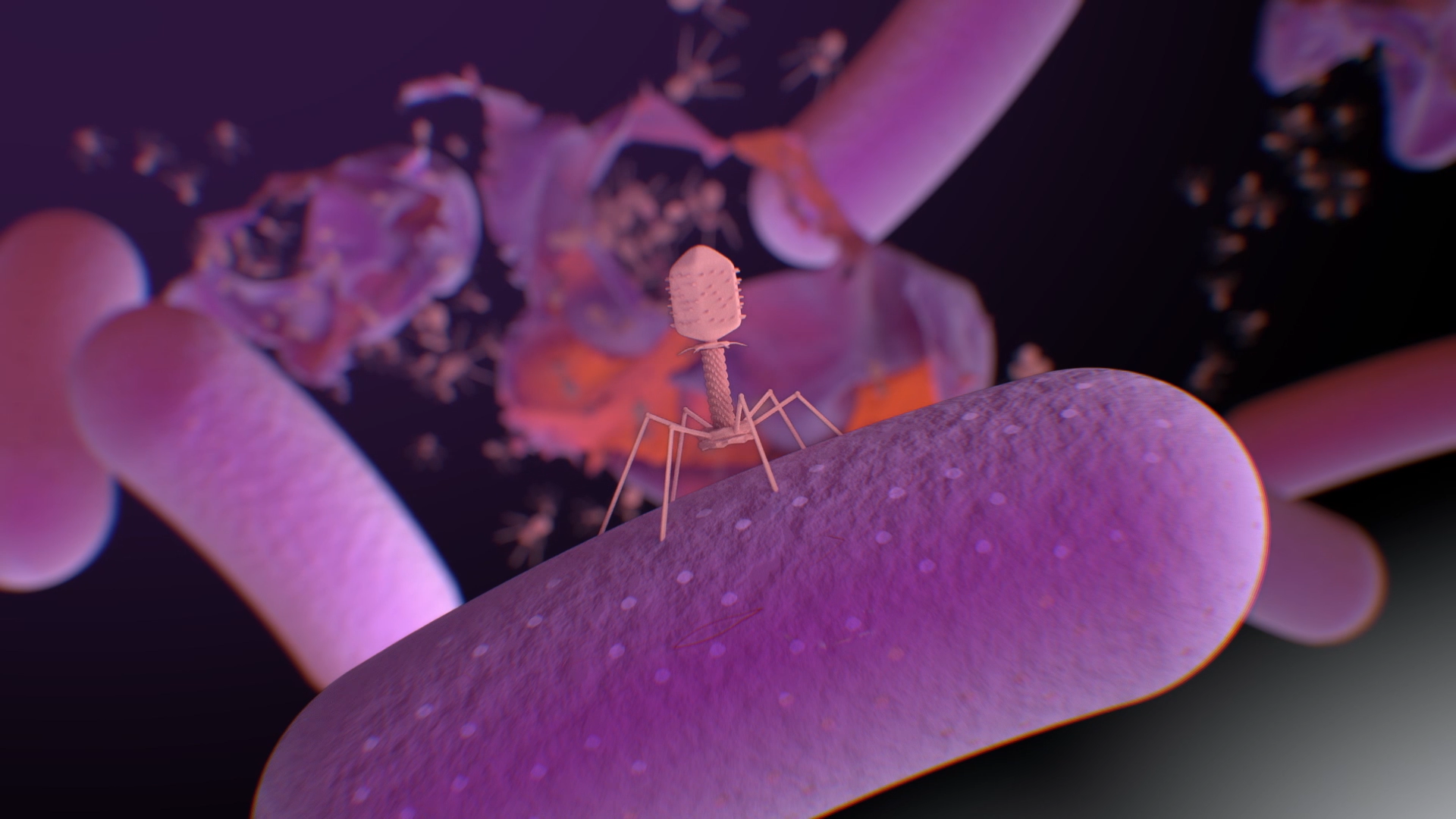
Genome Sequences of Two Lytic Staphylococcus aureus Bacteriophages Isolated from Wastewater

Two lytic double-stranded DNA (dsDNA) bacteriophages, belonging to the family Herelleviridae, were isolated from wastewater in Western Australia. Biyabeda-mokiny 2 appears to belong to the genus Kayvirus, and Koomba-kaat 1 to Silviavirus.

InterRett

Funded by the International Rett Syndrome Foundation, this international online database examines the clinical features and genetic characteristics.

MECP2 duplication syndrome (MDBase)

MECP2 duplication syndrome is a rare disorder neurodevelopmental disorder that, unlike Rett syndrome, mostly affects boys.

ATOMIC Ears Study

We are looking for children to take part in an important study that will assess a new treatment designed to prevent ongoing ear infections in kids having grommet surgery.

The SUPER Study

We are looking for healthy young adults to take part in a study that will help us learn more about a new pertussis vaccine that we hope will offer greater protection from whooping cough.