
Search
Showing results for "early lung health"
Climatic conditions play a key role in the transmission and pathophysiology of respiratory tract infections, either directly or indirectly. However, their impact on the COVID-19 pandemic propagation is yet to be studied.
Rotavirus causes substantial morbidity and mortality every year, particularly among under-five children. Despite Rotavirus immunization preventing severe diarrheal disease in children, the vaccination coverage remains inadequate in many African countries including Ethiopia.
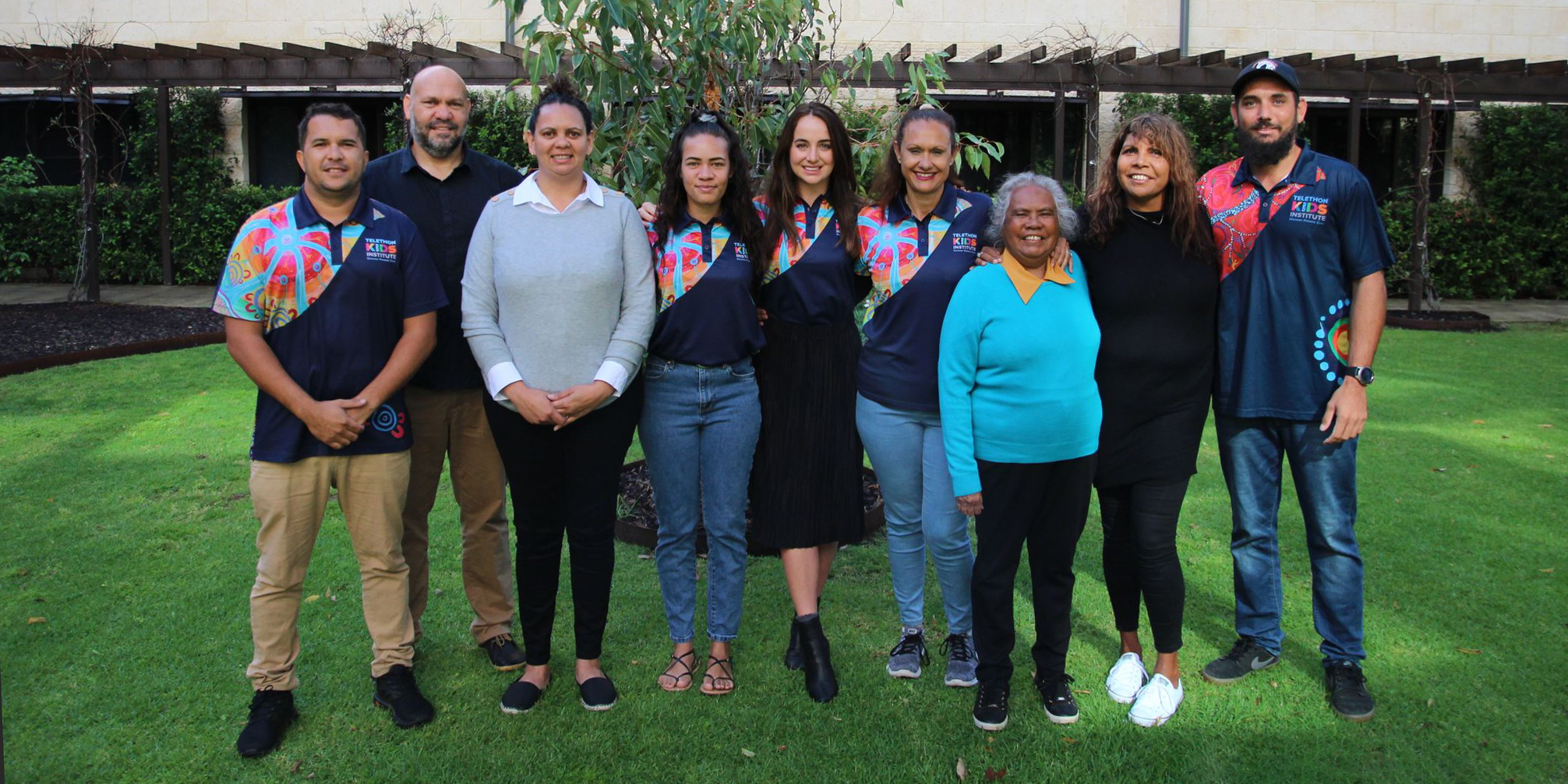
We are excited to launch our new Aboriginal Employment and Career Development Strategy (AECDS), aimed at building a culturally secure work environment by continuing to embed Aboriginal health & wellbeing into our research.
Western Australia’s sudden hard lockdown came without warning and unlike when COVID-19 first kept us at home last year, there are now rules on how long we can spend exercising outside.

Secondary students have the opportunity to hear from Associate Professor Asha Bowen, a 2018 L’Oreal-UNESCO Women in Science Fellow, in a free online event this National Science Week.
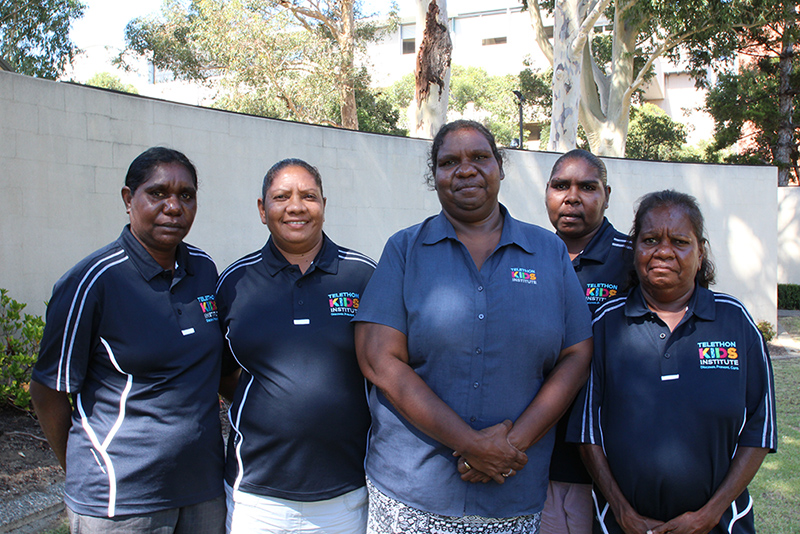
As leaders, trailblazers, researchers, teachers, and social change advocates, Aboriginal and Torres Strait Islander women at The Kids fought and continue to fight to bring positive, sustainable change to the health and well-being of Aboriginal children and families.
Perth researchers have begun a clinical trial of an investigational Meningococcal B vaccine against the most common form of meningococcal disease in W.A.
Asthma researchers at Perth's The Kids for Child Health Research are developing a world first system for predicting the severity of asthma in children

Discover what drives us as an organisation. Learn about history and the impact of the Institute along with the amazing ambitious goals we've achieved so far in the field of children's research.
Discover the origins of The Kids Research Institute Australia, from when it opened in the 90's led by its patron Fiona Stanley up until now, led by Jonathan Carapetis.