Skip to content
The Kids Research Institute Australia logo
Donate

Search

Showing results for "early lung health"
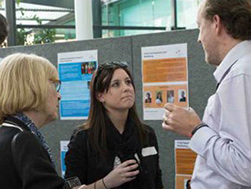
Community comes together for parenting program

Embrace researchers have begun development of a parenting program that is specific to the needs of Aboriginal and Torres Strait Islander people.

Editorial: Bench to bedside: translating pre-clinical research into clinical trials for childhood brain tumors

Nick Raelene Gottardo Endersby MBChB FRACP PhD BSc (Hons) PhD Head of Paediatric and Adolescent Oncology and Haematology, Perth Children’s Hospital;

BRAF-mediated brain tumors in adults and children: A review and the Australian and New Zealand experience

The mitogen-activated protein kinase (MAPK) pathway signaling pathway is one of the most commonly mutated pathways in human cancers. In particular, BRAF alterations result in constitutive activation of the rapidly accelerating fibrosarcoma-extracellular signal-regulated kinase-MAPK significant pathway, leading to cellular proliferation, survival, and dedifferentiation.

Defining the molecular features of radiation-induced glioma: A systematic review and meta-analysis

Cranial radiation therapy is essential in treating many pediatric cancers, especially brain tumors; however, its use comes with the risk of developing second malignancies. Cranial radiation-induced gliomas (RIGs) are aggressive high-grade tumors with a dismal prognosis, for which no standard therapy exists. A definitive molecular signature for RIGs has not yet been established. We sought to address this gap by performing a systematic review and meta-analysis of the molecular features of cranial RIGs.

Systems pharmacogenomics identifies novel targets and clinically actionable therapeutics for medulloblastoma

Medulloblastoma is the most common malignant paediatric brain tumour and a leading cause of cancer-related mortality and morbidity. Existing treatment protocols are aggressive in nature resulting in significant neurological, intellectual and physical disabilities for the children undergoing treatment. Thus, there is an urgent need for improved, targeted therapies that minimize these harmful side effects.

A surveillance clinic for children and adolescents with, or at risk of, hereditary cancer predisposition syndromes

Hereditary cancer predisposition syndromes (HCPS) account for at least 10% of paediatric cancers.1 Li‐Fraumeni syndrome (LFS) is a dominant HCPS caused by mutations in the TP53 gene and is associated with an 80–90% lifetime risk of cancer, commencing in infancy.2 Children of affected individuals are at 50% risk of inheriting the family mutation.

Assessment of Cannabidiol and Delta9-Tetrahydrocannabiol in Mouse Models of Medulloblastoma and Ependymoma

Children with medulloblastoma and ependymoma are treated with a multidisciplinary approach that incorporates surgery, radiotherapy, and chemotherapy; however, overall survival rates for patients with high-risk disease remain unsatisfactory. Data indicate that plant-derived cannabinoids are effective against adult glioblastoma; however, preclinical evidence supporting their use in pediatric brain cancers is lacking. Here we investigated the potential role for Δ9-tetrahydrocannabinol (THC) and cannabidiol (CBD) in medulloblastoma and ependymoma. Dose-dependent cytotoxicity of medulloblastoma and ependymoma cells was induced by THC and CBD in vitro, and a synergistic reduction in viability was observed when both drugs were combined.

FcgammaRIIb Expression Is Decreased on Naive and Marginal Zone-Like B Cells From Females With Multiple Sclerosis

B cells are critical to the development of multiple sclerosis (MS), but the mechanisms by which they contribute to the disease are poorly defined. We hypothesised that the expression of CD32b (FcγRIIb), a receptor for the Fc region of IgG with inhibitory activities in B cells, is lower on B cell subsets from people with clinically isolated syndrome (CIS) or MS. CD32b expression was highest on post-naive IgM+ B cell subsets in healthy controls. For females with MS or CIS, significantly lower CD32b expression was identified on IgM+ B cell subsets, including naive and IgMhi MZ-like B cells, when compared with control females. Lower CD32b expression on these B cell subsets was associated with detectable anti-Epstein Barr Virus viral capsid antigen IgM antibodies, and higher serum levels of B cell activating factor. To investigate the effects of lower CD32b expression, B cells were polyclonally activated in the presence of IgG immune complexes, with or without a CD32b blocking antibody, and the expression of TNF and IL-10 in B cell subsets was assessed.

Unusual paediatric spinal myxopapillary ependymomas: Unique molecular entities or pathological variations on a theme?

We describe two unusual cases of MPE and use DNA methylation analyses to compare their signatures to try and distinguish if these represent a unique subset.

Irreversible growth plate fusions in children with medulloblastoma treated with a targeted hedgehog pathway inhibitor

We report on 3 children treated with vismodegib who developed widespread growth plate fusions that persist long after cessation of therapy.