
Search
Showing results for "aboriginal respiratory"
Research question: Are asthma and allergies more common in adolescents conceived with assisted reproductive technologies (ART) compared with adolescents conceived without?
A new report from Perth's The Kids for Child Health Research has found a strong link between childhood ear infections and exposure to tobacco smoke.
The lung clearance index may be a useful surveillance tool for monitoring the presence and extent of lower airway inflammation and infection
We aimed to describe the distribution of RV species and associations between RV species and clinical features in children hospitalized with clinically severe pneumonia in Morocco
The prevalence of human rhinovirus (RV) species in children hospitalised with pneumonia in Manhiça, Mozambique
Streptococcus pneumoniae is a key contributor to childhood morbidity and mortality in Papua New Guinea (PNG). For the first time, whole genome sequencing of 174 isolates has enabled detailed characterisation of diverse S. pneumoniae causing invasive disease in young children in PNG, 1989-2014.
Streptococcus pneumoniae is a leading cause of pneumonia and meningitis worldwide. Many different serotypes co-circulate endemically in any one location. The extent and mechanisms of spread and vaccine-driven changes in fitness and antimicrobial resistance remain largely unquantified.
Serotype 24F is one of the emerging pneumococcal serotypes after the introduction of pneumococcal conjugate vaccine (PCV). We aimed to identify lineages driving the increase of serotype 24F in France and place these findings into a global context.
We assessed the impact of PCV on all-cause and pathogen-specific pneumonia hospitalizations in Western Australian (WA) children aged 16 years.
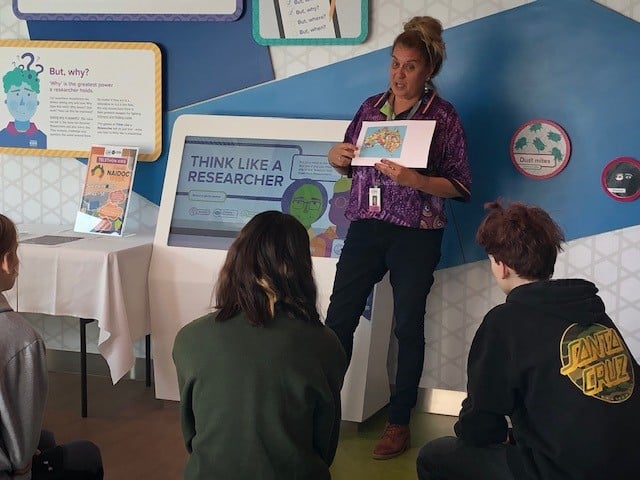
Register your interest to book a special NAIDOC Week x The Kids school excursion.