Skip to content
The Kids Research Institute Australia logo
Donate

No results yet

Search

News & Events

Save the date: CONNECT cuppa catch up

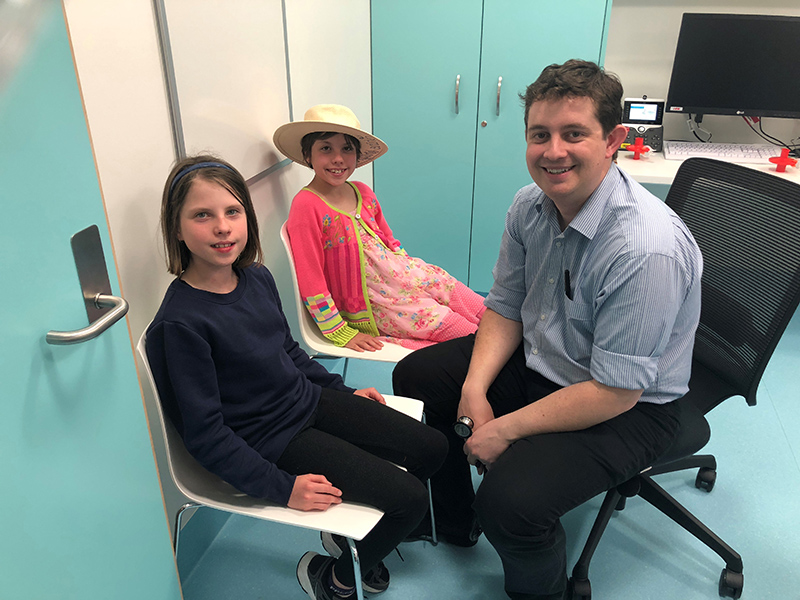
We will be hosting a CONNECT cuppa catch up with the Diabetes Team on Wednesday, March 10, 2021. The event provides an opportunity to hear about the Centre’s research as well as chat to our researchers about their work.

News & Events

Physical Activity Study

The Diabetes Research Team of the Department of Endocrinology is looking at identifying a questionnaire that we can use in clinic to measure and understand the types of physical activity, young people with type 1 diabetes, are involved in.

News & Events

Dexcom G6 Early Access Program Update

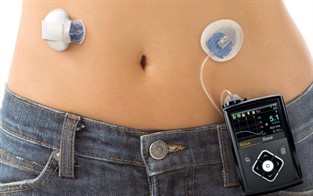
The Dexcom G6 Early Access Program has so far been a huge success. The program commenced in May, and offered early access to the Dexcom G6 system to eligible patients.

News & Events

New The Kids Discovery Schools Program

We have just launched the Telethon Kids Discovery Centre Schools Program for 2021. The program is FREE for Terms 1 and 2 and is a great opportunity for schools to pilot an educational science excursion at no cost.

Research

Vitamin D content of wild-caught traditional foods collected on Nyoongar Country in Western Australia

Low vitamin D status and intake are prevalent among the Australian population, including Aboriginal and Torres Strait Islander peoples. We hypothesised that some traditional foods could contain vitamin D, and measured vitamin D in foods from Nyoongar Country, Western Australia. Samples of kangaroo, emu, squid/calamari and lobster/crayfish were collected and prepared by Aboriginal people using traditional and contemporary methods.

Research

Current post-tonsillectomy analgesia practices among Australian and New Zealand anesthetists, and opinions on non-opioid alternatives

Children experience significant pain following extracapsular tonsillectomy surgery, and while opioids are often prescribed to treat this, clinicians may be wary of their adverse side effects, leading to variation in practice. There is a need for improved post-tonsillectomy pain management in children. 

Research

Quicker team launch times for urgent priority neonatal retrievals: A Quality Improvement Initiative study

Neonatal retrieval networks have adopted time-centric quality metrics as Key Performance Indicators (KPI) for setting and comparing benchmarking standards. Quicker launch time (departure from base), an essential KPI, enables neonatal retrieval teams to rapidly provide higher-level care to sick infants. The Newborn Emergency Transport Services of Western Australia (NETS WA) facilitates neonatal transfers across largest global retrieval area necessitating quicker team launch times for urgent retrievals. NETS WA conducted a quality improvement (QI) study to quicken team launch times for urgent retrievals.

Research

Streptococcus pyogenes Surveillance Through Surface Swab Samples to Track the Emergence of Streptococcal Toxic Shock Syndrome in Rural Japan

Japan recently experienced a record surge in streptococcal toxic shock syndrome. Our environmental surveillance study reveals that Streptococcus pyogenes persists seasonally, peaking in autumn and winter in rural Japan. The dominant emm1 M1UK sublineage and csrS mutations heighten virulence, highlighting the urgent need for targeted surveillance and interventions.

Research

Concentration of food allergens in breastmilk and association with maternal factors– A systematic review

Common food allergens have been detected in breast milk with wide inter-individual variations in concentrations. As maternal factors, such as age, smoking, and body mass index have been associated with breast milk composition, we aimed to identify maternal characteristics associated with the concentration of food allergens in breast milk.

Research

Benchmarking Imputed Low Coverage Genomes in a Human Population Genetics Context

Ongoing advances in population genomic methodologies have recently enabled the study of millions of loci across hundreds of genomes at a relatively low cost, by leveraging a combination of low-coverage shotgun sequencing and innovative genotype imputation methods. This approach has the potential to provide abundant genotype information at low costs comparable to another widely used cost-effective genotyping approach-that is, SNP panels-while avoiding potential issues related to loci being ascertained in distantly related populations.