
Search
Showing results for "mental health aboriginal"
Components of the bone marrow microenvironment (BMM) have been shown to mediate the way in which leukemia develops, progresses and responds to treatment. Increasing evidence shows that leukemic cells hijack the BMM, altering its functioning and establishing leukemia-supportive interactions with stromal and immune cells.
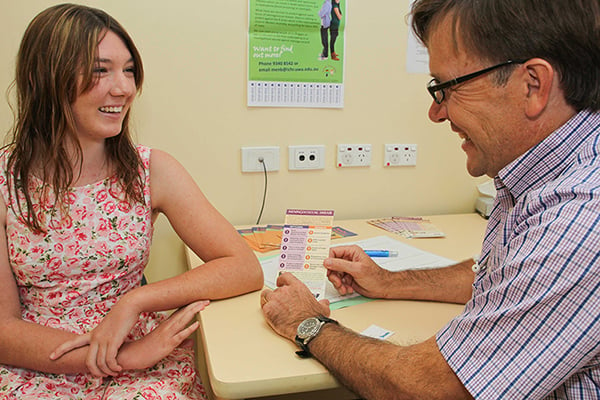
Meningococcal disease is caused by the bacteria Neisseria meningitidis, or 'meningococcus'. It is an uncommon but very serious disease that can result in death if not recognised and treated quickly.
The main aim of our Leukaemia Translational Research Team is to test innovative therapeutic approaches, with a focus on clinical translation of this knowledge, to improve the outcomes of children suffering from leukaemia.
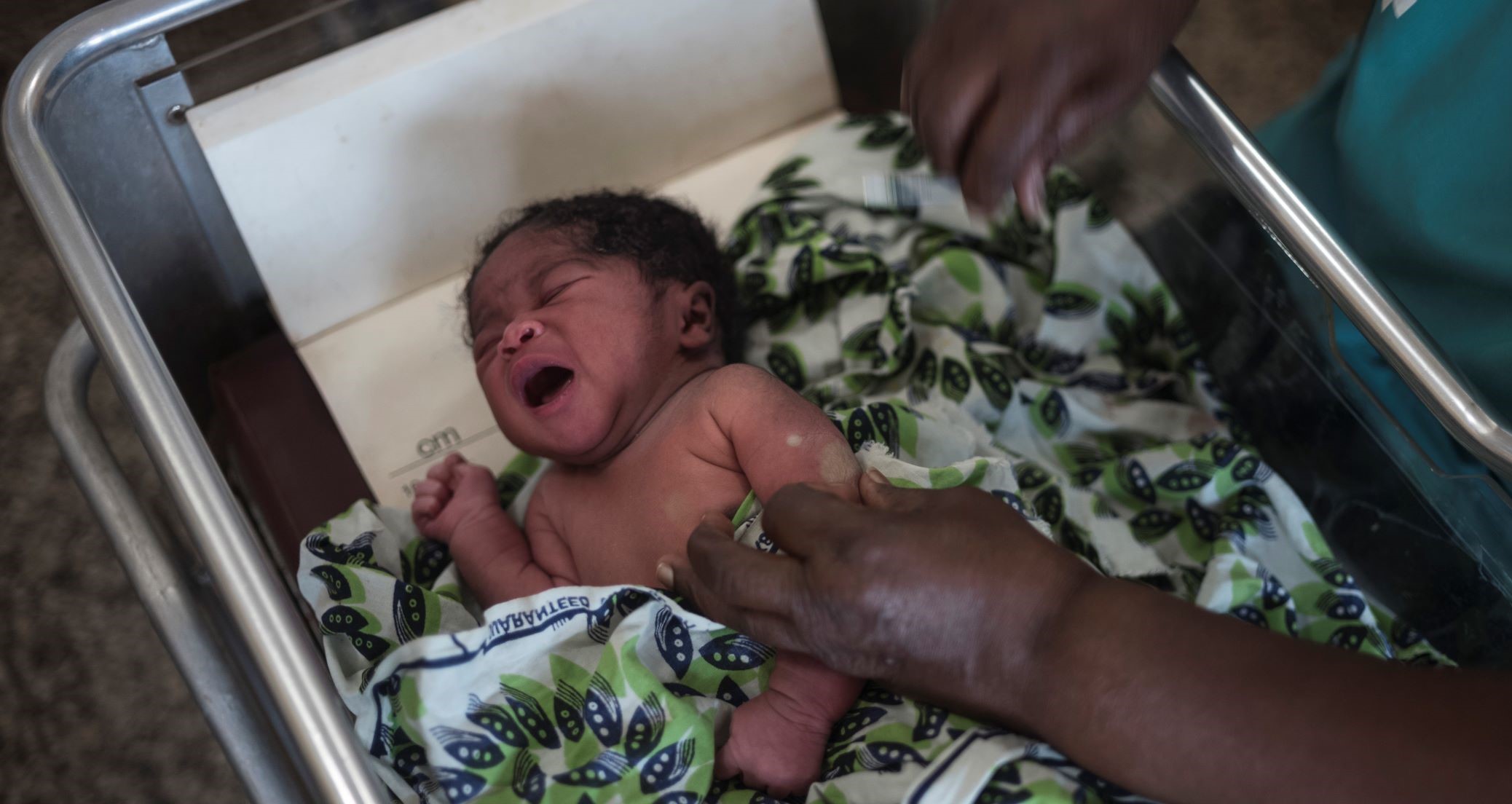
The veteran tuberculosis vaccine BCG has puzzled scientists for decades. Now, The Kids researchers have not only unlocked part of the secret to its success in saving the lives of newborns, but they’re at the forefront of global efforts to test its ability to fight COVID-19.
Pneumonia is the leading cause of childhood morbidity and mortality globally.
Medulloblastoma (MB) consists of four core molecular subgroups with distinct clinical features and prognoses. Treatment consists of surgery, followed by radiotherapy and cytotoxic chemotherapy. Despite this intensive approach, outcome remains dismal for patients with certain subtypes of MB, namely, MYC-amplified Group 3 and TP53-mutated SHH. Using high-throughput assays, six human MB cell lines were screened against a library of 3208 unique compounds. We identified 45 effective compounds from the screen and found that cell cycle checkpoint kinase (CHK1/2) inhibition synergistically enhanced the cytotoxic activity of clinically used chemotherapeutics cyclophosphamide, cisplatin, and gemcitabine.

WA parents and carers can have confidence in sending their children back to school on January 31 with the measures outlined in today’s Safe Return to School Plan.

Meet Paige Demery, one of our Consumer Representatives from Queensland.
Ependymomas (EPN) are the third most common malignant brain cancer in children. Treatment strategies for pediatric EPN have remained unchanged over recent decades, with 10-year survival rates stagnating at just 67% for children aged 0-14 years. Moreover, a proportion of patients who survive treatment often suffer long-term neurological side effects as a result of therapy. It is evident that there is a need for safer, more effective treatments for pediatric EPN patients.

Cancer researchers have narrowed-down the field of immunotherapy drugs which could be used to tackle a form of childhood brain cancer.