
Search
Showing results for "early lung health"

The Kids Researchers Professor Susan Prescott and Professor Donna Cross have been appointed Fellows of the prestigious Australian Academy of Health and Med
Children who are mainly breastfed for the first six months (or longer) score significantly higher academically at 10 years of age, especially boys.
Two of Australia's pioneers in folate research have urged the Federal government to hold firm in its support for mandatory fortification.

Discover the impact of your generosity.
Learn how new technology is fast-tracking diagnoses for kids with rare diseases.
Jimmy’s battle with RSV reminds us that research can change young lives.
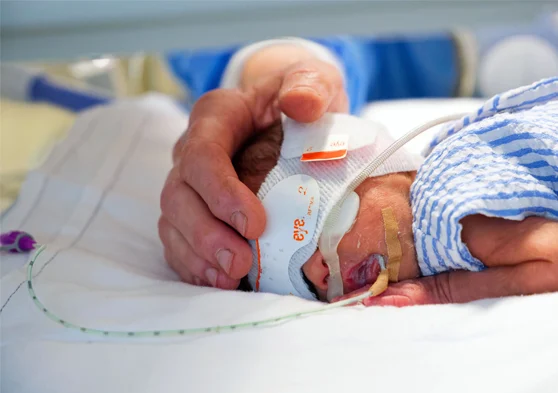
The Data Safety Monitoring Committee (DSMC) is an independent group of experts that oversees participant safety and the integrity of the CIRCA DIEM Study.
Keely Bebbington MClinPsych/PhD McCusker Postdoctoral Research Fellow in Type 1 Diabetes 08 6319 1766 keely.bebbington@thekids.org.au McCusker
Evaluating the biological activity of a single dose of encapsulated oral semaglutide in healthy adults over a period of one week.

Diabetes researchers from PCH would like to find out whether treating hypo’s at a lower level than 3.9 mmol/l is safe and makes managing your diabetes easier.