
Search
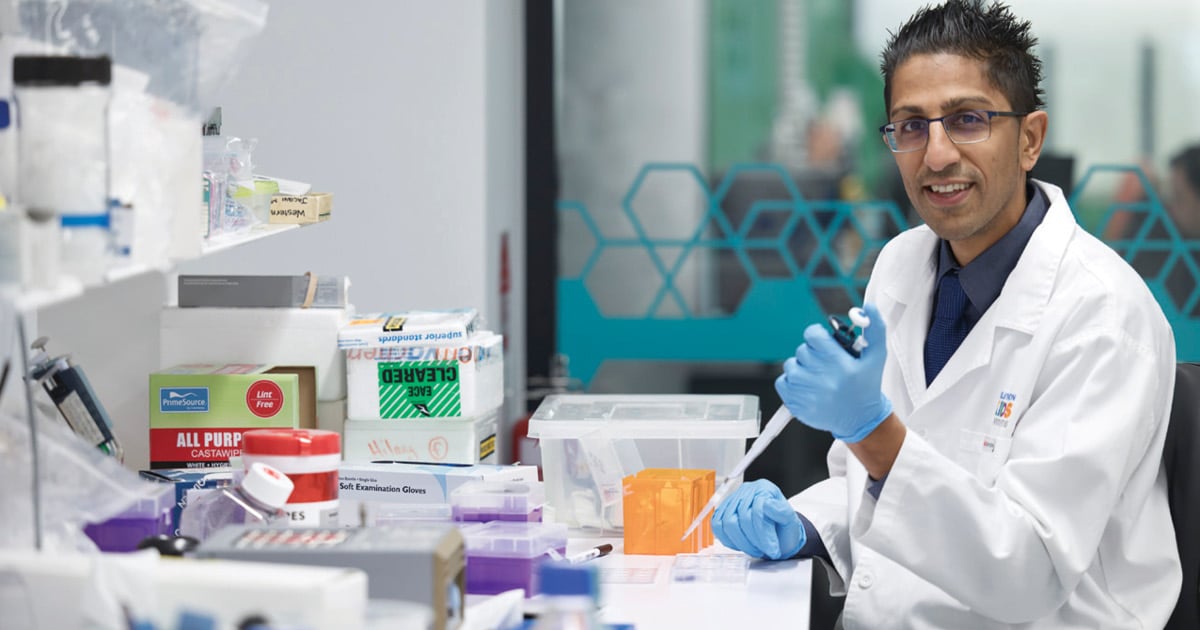
A pilot clinical study has found an immunotherapy drug can dramatically increase survival rates for babies with a rare form of leukaemia, paving the way for a major international clinical trial.
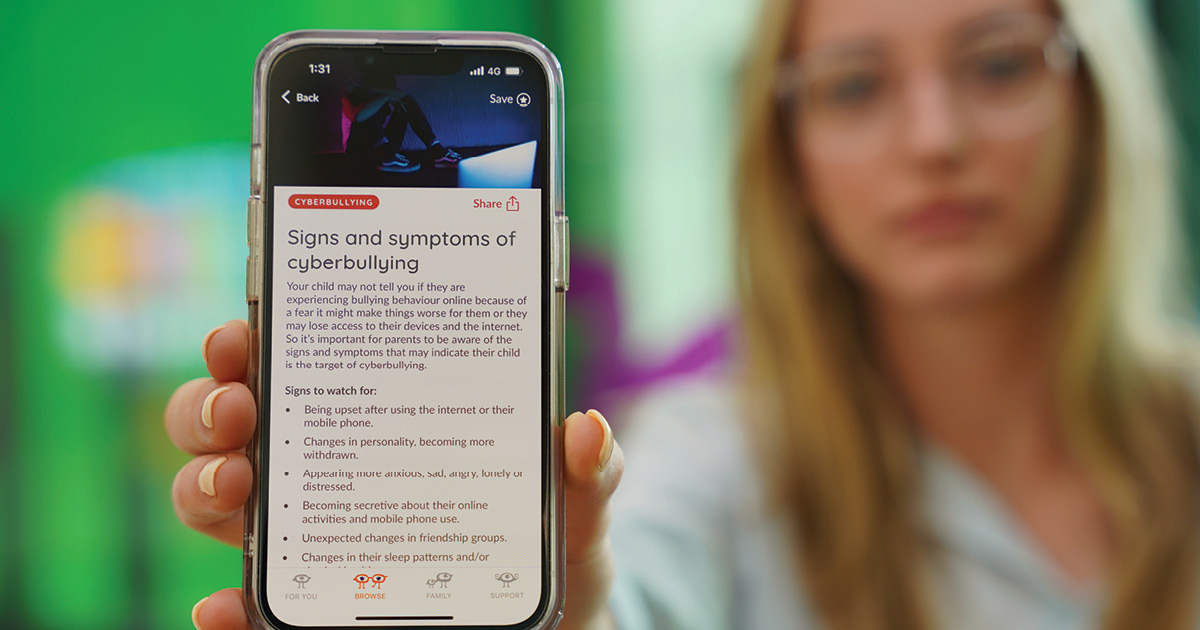
In a world where TikTok dances and Minecraft adventures take centre stage, kids are spending more time online than ever before.
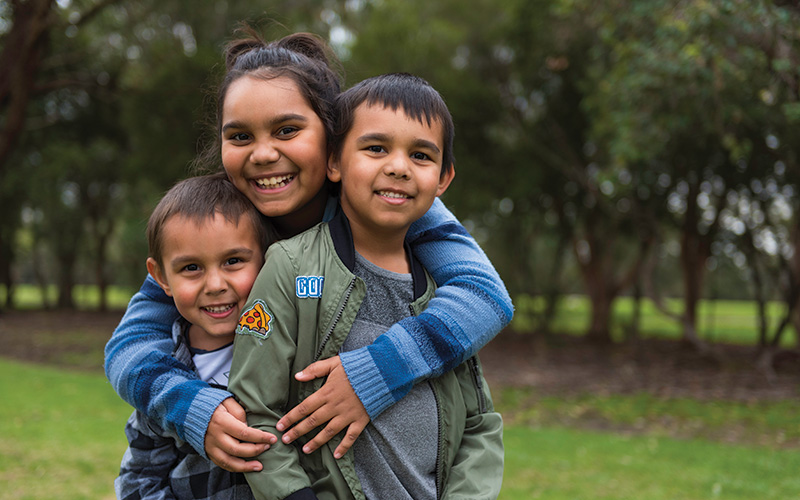
The Institute's Standards for the Conduct of Aboriginal Health Research outline our ways of working with Aboriginal communities and peoples.
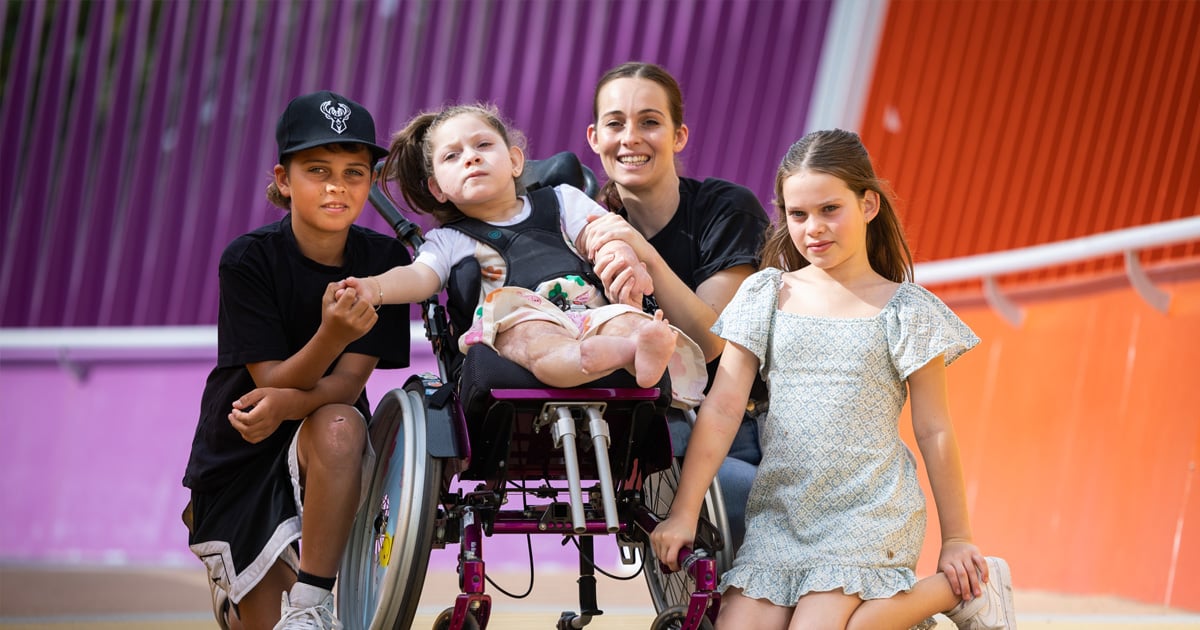
At just six months old, Tahlea Dalgety was flown from Geraldton to Perth with a slim chance of survival after contracting meningococcal disease.
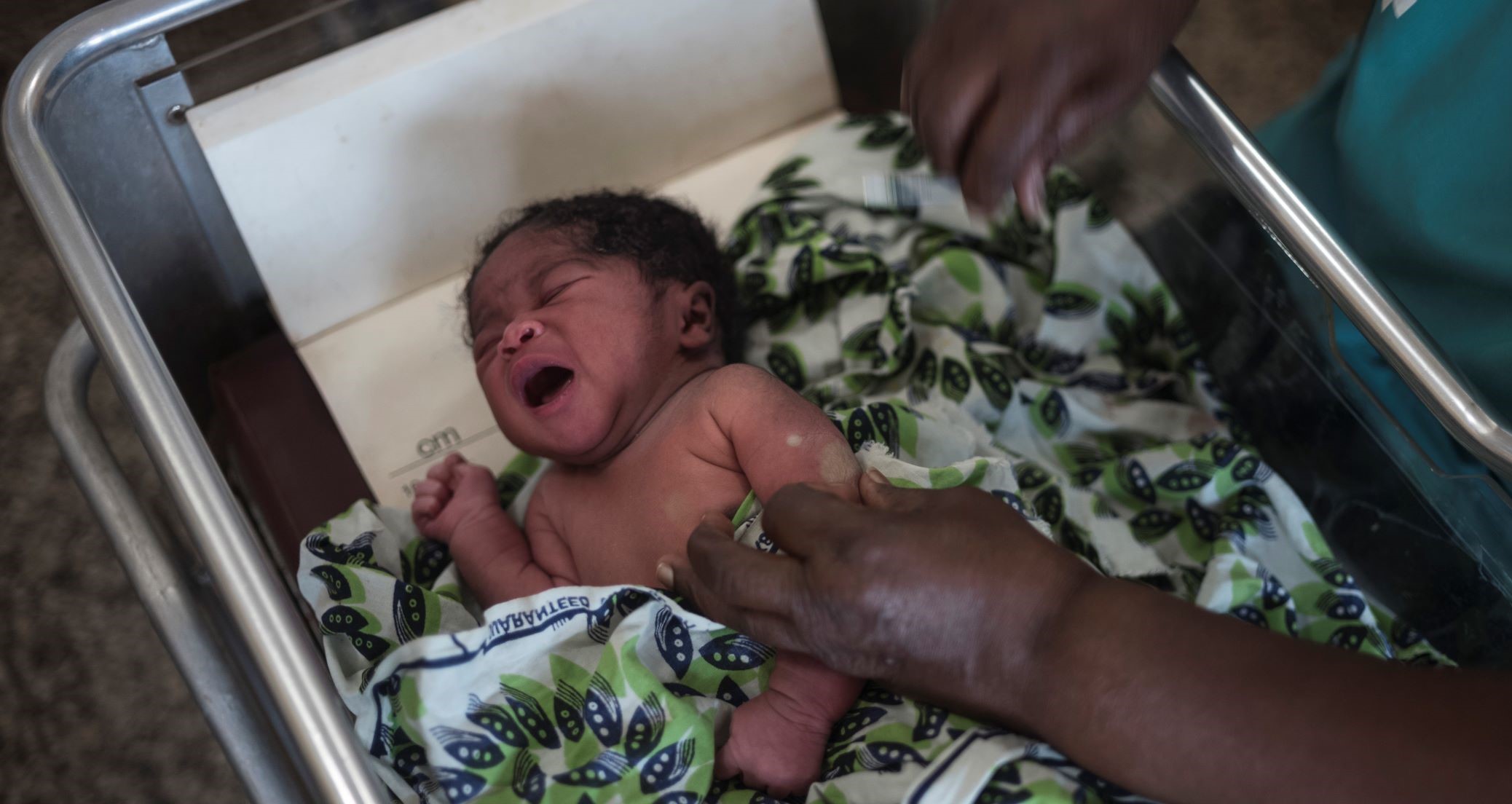
The veteran tuberculosis vaccine BCG has puzzled scientists for decades. Now, The Kids researchers have not only unlocked part of the secret to its success in saving the lives of newborns, but they’re at the forefront of global efforts to test its ability to fight COVID-19.
A non-progressive motor disability due to damage of the developing brain, this is the most common physical disability in childhood. Affecting about one in 500 babies, it is frequently accompanied by other neurological impairments, such as intellectual or sensory.
The aim of RESP-ACT is to reduce these children’s respiratory hospital admissions and visits to Emergency Department, and to help them and their families to have as the best possible quality of life.
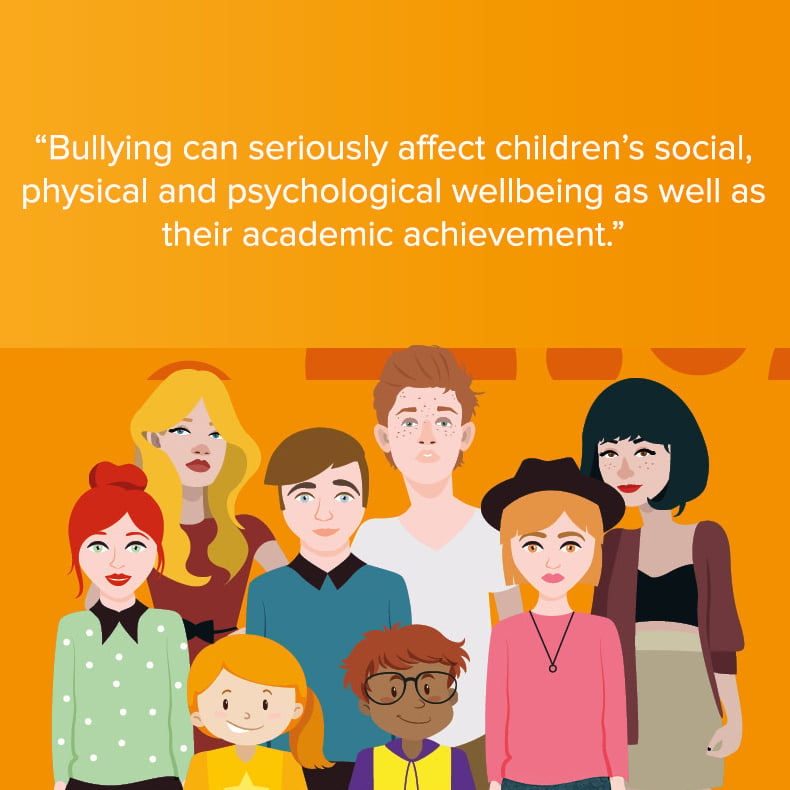
Infographics to easily learn more about bullying and what actions to take should bullying be an issue in your school or community.
Masculine norms influence men's health and wellbeing. In Australia, interest in the role of these masculine norms resulted in an assessment of masculine norm adherence being included in the Ten to Men Study, measured using the 22-item version of the Conformity to Masculine Norms Inventory.
This convergent parallel mixed methods study examined the role of protective factors (resilience, family functioning, and social support) in explaining sibling well-being, alongside this population's support preferences and experiences.