
Search
Coming up in 2021 Contact us We have a a study to suit every age range in 2021! From babies at just six weeks for the FluBub Study, through to
Contact us If you'd like to get in touch, please contact us by phone or email. Phone: 0400 450 240 Email: vtg@thekids.org.au Pneumococcal disease is
Contact us If you'd like to get in touch, please contact us by phone or email. Phone: 0400 450 240 Email: vtg@thekids.org.au The Vaccine Trials Group
CHIP Study Update
CMVictory: finding a vaccine for cytomegalovirus, a serious virus for unborn babies
Update on pneumococcal and meningococcal vaccine research
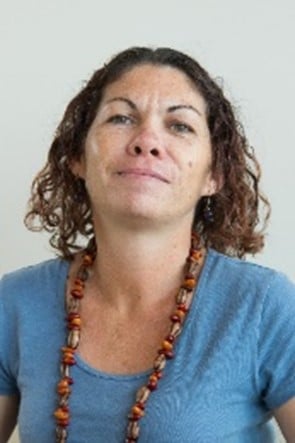
Noeletta McKenzie is a Champion for Change, RHDAustralia, and community representative and advocate for the START study.

Liana’s story begins nine years ago. It starts with a sore ankle, a fever, a trip to the emergency room and clinic and finally a diagnosis of acute rheumatic fever (ARF).
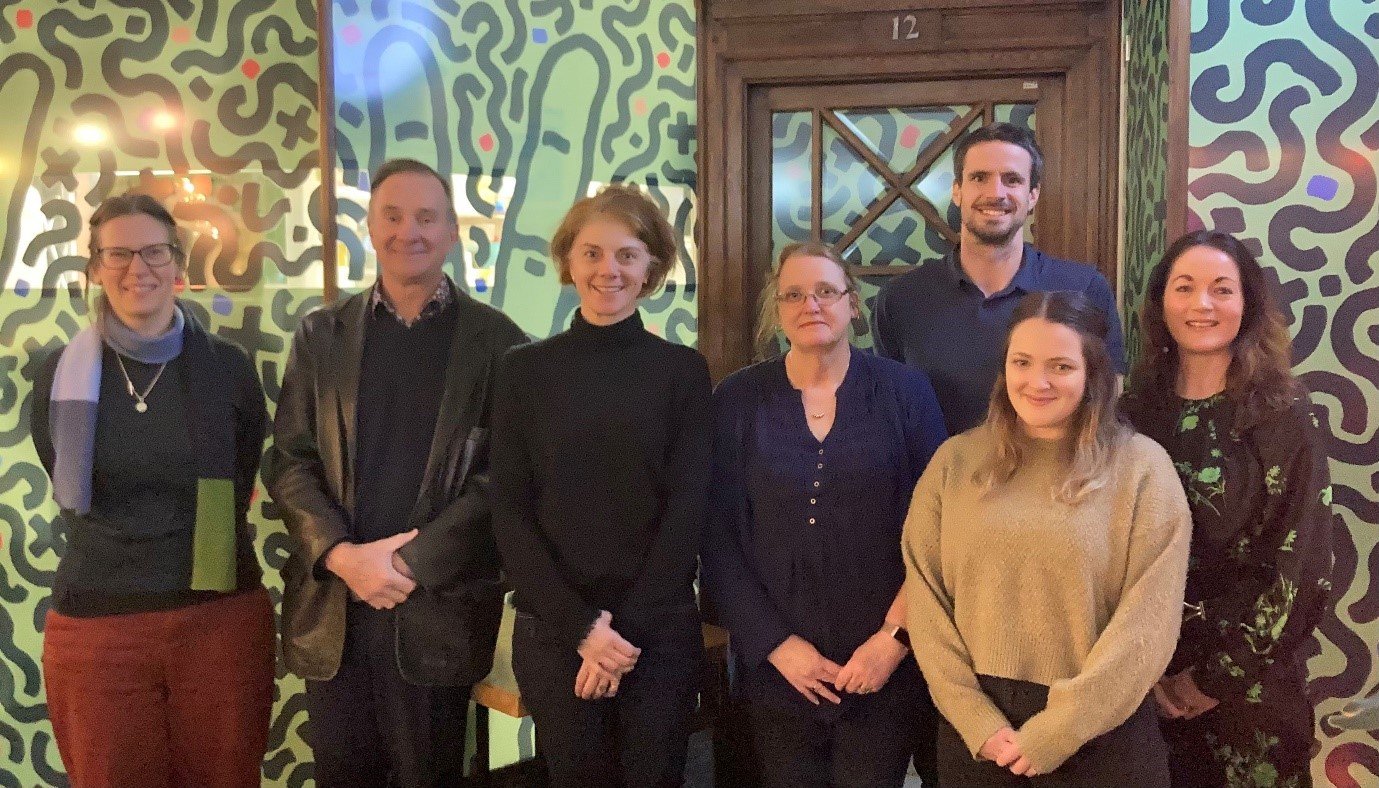
Māori and Pacific governance groups discuss and inform study protocols and issues that have arisen during the study, particularly those pertaining to Māori and Pacific ARF patients and their whānau.

An international trial reveals 95% of rheumatic heart disease patients prefer less painful penicillin injections under the skin, aiming to improve treatment adherence.