
Search
Showing results for "early lung health"

Professor Helen Milroy speaks about the importance of providing support to leading advocates after meeting with noted campaigner for a Voice to Parliament, Thomas Mayo.
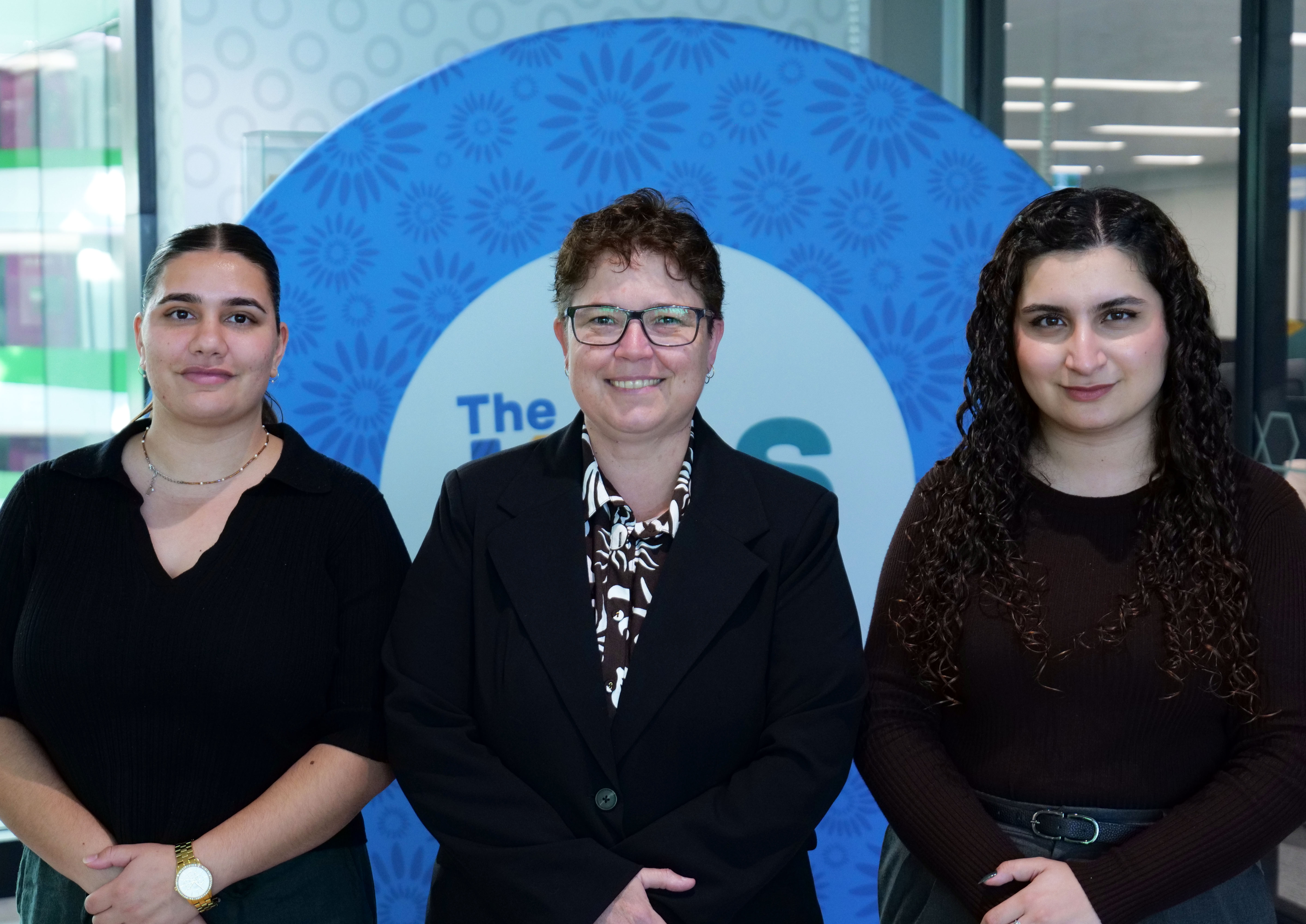
Researchers on the Embrace parenting program Rebeka Morrison, Nita Alexander, and Aysa Bahar Arjmand.

Project Officer Lisa Kickett will be funded by Embrace @ The Kids Research Institute Australia to complete a placement on a major parenting program research project, paving the way for her to complete her Master of Social Work degree.
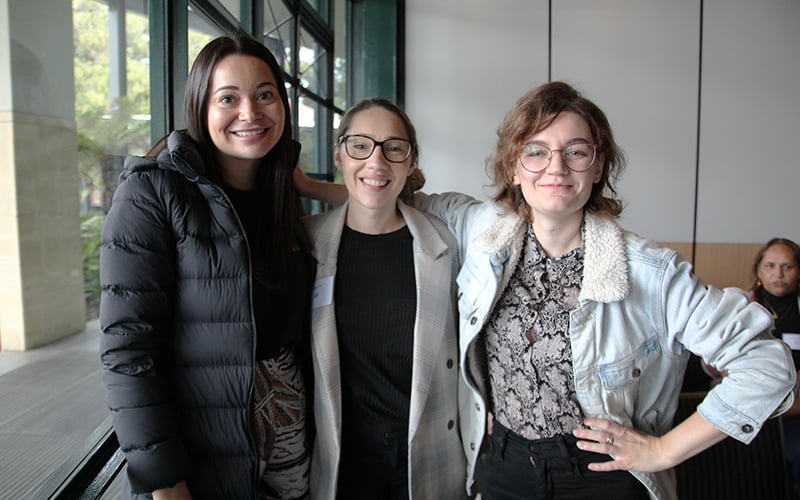
At The Kids Research Institute Australia, we are committed to the ongoing work in Aboriginal health which includes investment, support and training of our Aboriginal researchers and staff.
Chronic suppurative otitis media (CSOM), sometimes referred to as chronic otitis media (COM), is a chronic inflammation and often polymicrobial infection (involving more than one micro-organism) of the middle ear and mastoid cavity, characterised by ear discharge (otorrhoea) through a perforated tympanic membrane.

Researchers have developed a new model for simulating covid-19 outbreaks in Western Australia.
Climatic conditions play a key role in the transmission and pathophysiology of respiratory tract infections, either directly or indirectly. However, their impact on the COVID-19 pandemic propagation is yet to be studied.
Rotavirus causes substantial morbidity and mortality every year, particularly among under-five children. Despite Rotavirus immunization preventing severe diarrheal disease in children, the vaccination coverage remains inadequate in many African countries including Ethiopia.
Eating disorders (EDs) are increasingly recognised among neurodivergent and transgender and gender diverse (TGD) individuals, yet most assessment and treatment models remain grounded in cisnormative and neuronormative assumptions and frameworks. Sensory processing, spanning interoception and exteroception, has been proposed as a potential factor that may help explain observed associations between neurodivergent traits, gender incongruence, and EDs.
Nonvital pulp therapy is a treatment option that can preserve pathologically affected primary teeth and contribute to space maintenance. This retrospective case series examined the healing effects in infected primary teeth after pulpectomy using mineral trioxide aggregate obturation and eruption characteristics of the succedaneous teeth.