
Search
Showing results for "early lung health"

Strong advocacy efforts have paid off with health and food safety ministers from around Australia and New Zealand finally approving the recommended version of a warning label designed to highlight the potential risks of alcohol during pregnancy.
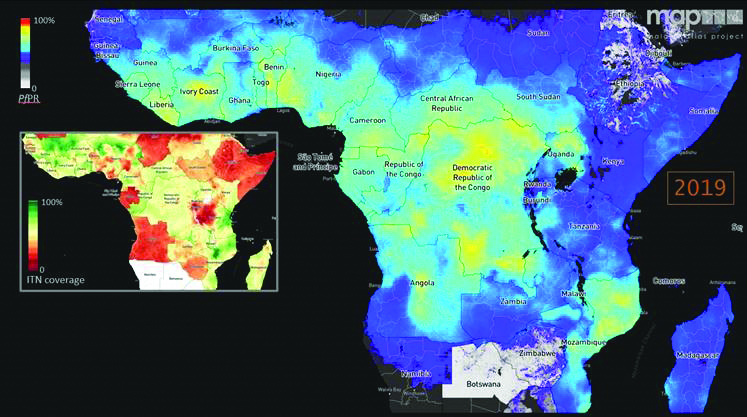
A global network of researchers led by Kerry M Stokes Chair of Child Health, Professor Pete Gething, is working to help support informed decision-making for malaria control at international, regional and national scales.
Ambient heat exposure during pregnancy is associated with adverse outcomes, and adverse neurodevelopmental outcomes are an emerging concern. This scoping review synthesises human and animal evidence on the association between prenatal ambient heat exposure and poor neurodevelopmental outcomes.
Despite decades of research, misconceptions about developmental dyslexia remain widespread among those responsible for identifying and supporting affected children. Identifying the nature and persistence of these beliefs is essential to improving practice and policy. We conducted a scoping review to map the understanding of developmental dyslexia among teachers, parents and clinicians by identifying their beliefs about its features and interventions.
Diarrhoea remains a leading cause of mortality among children under five years of age, with over 99 % of deaths occurring in low- and middle-income countries. Poor water quality, inadequate sanitation, poverty, undernutrition, and limited healthcare access contribute to this lingering problem, together with emerging environmental stressors driven by climate change.
Fear of severe adverse reaction (SAR) and reluctance of health care providers to administer intramuscular injections are major contributing factors to poor adherence of benzathine penicillin G (BPG) in the management of rheumatic heart disease (RHD). However, data on the risk of SARs following BPG injections for RHD are relatively limited and inconclusive. Our systematic review and meta-analysis aimed to evaluate the incidence of SARs associated with BPG injections used for secondary prophylaxis of RHD.
Primary aim was to review severe acute respiratory infections (SARI) hospitalisations caused by respiratory syncytial virus (RSV) in children aged < 2 years in paediatric hospitals in Australia. Secondary aims included RSV subtyping, assessing RSV seasonality and contributing to the World Health Organisation's RSV surveillance programme.
Pregnant women are a priority group for COVID-19 vaccination due to their vulnerability as a high-risk cohort. However, the currentCOVID-19 vaccine uptake rate for COVID-19 vaccination among pregnant women in Western Australia remains largely unknown.
In high-transmission areas, school-aged children have higher malaria prevalence and contribute significantly to the transmission reservoir. Malaria infections can be asymptomatic or present with symptoms which may contribute to anaemia, severe illness and fatal malaria. This analysis provides trends of malaria prevalence and associated risk factors among school-aged children in mainland Tanzania.
Adolescents and young adults with type 1 diabetes have an increased risk of psychological distress. To address this, psychological support provided asynchronously via an app may be feasible. Our study aimed to explore feasibility and safety of the LIFT wellbeing app.