
Search
Showing results for "aboriginal respiratory"
A new study has found that infectious diseases are the most common reason that children under two years of age are admitted to hospital.
Identified dominant PCR-ribotypes common to geographically disparate Australian paediatric populations
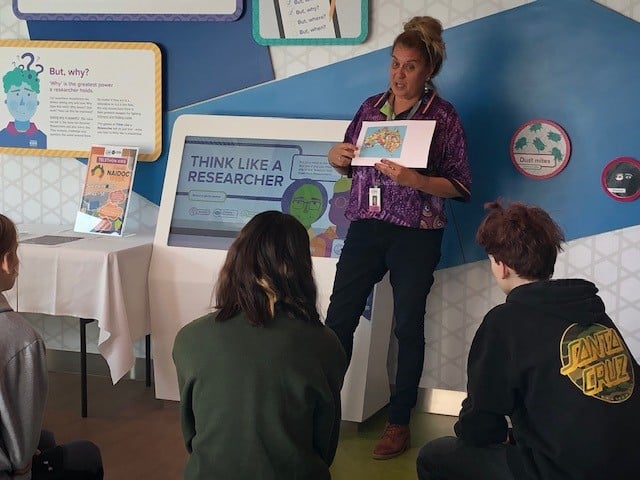
Register your interest to book a special NAIDOC Week x The Kids school excursion.

The Kids Easy Breathing Study kickstarts this month, with the aim of finding out how the airway surface is different between infants who develop chronic lung disease after contracting bronchiolitis compared with those who don’t.
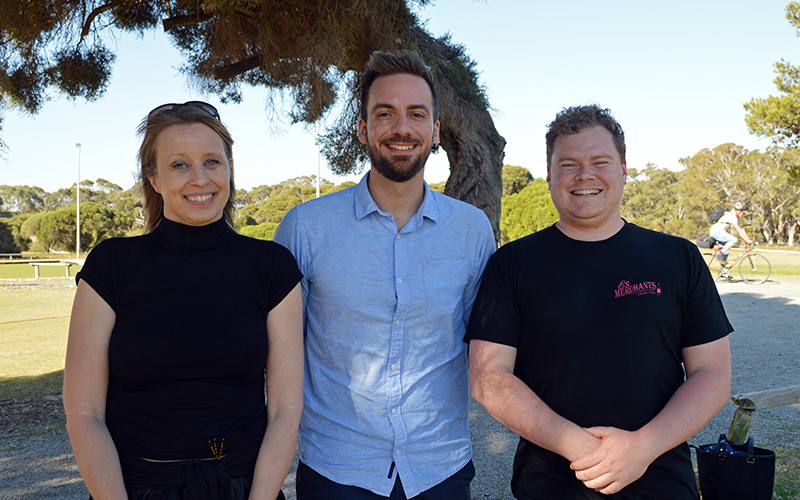
Congratulations to Dr Montgomery, Dr Iosifidis and Dr D’Vaz on winning the Wal-yan Centre's inaugural seed funding competition.
Pneumococcal disease outbreaks of vaccine preventable serotype 4 sequence type (ST)801 in shipyards have been reported in several countries. We aimed to use genomics to establish any international links between them.
To investigate antimicrobial susceptibility of Moraxella catarrhalis isolated from a cohort of children being followed in a study of the natural history of OM
Ventilated preterm infant lungs are vulnerable to overdistension and underinflation.
Inflammation and oxidative stress play a key role in the development of bronchopulmonary dysplasia (BPD), possibly contributing to persistent respiratory morbidity after preterm birth. We aimed to assess if inflammatory markers were elevated in exhaled breath condensate (EBC) of infants born very prematurely (< 32 weeks gestation) at 12-16 corrected months of age, and if increased levels were associated with BPD diagnosis and respiratory morbidity.
Culturally safe healthcare approaches are important to improve outcomes of Indigenous people. Non-Indigenous clinicians are often ill-prepared to provide such healthcare. The NHMRC Centre for Research Excellence (CRE) especially for First Nations Children has been studying for several years how to improve clinical care for Indigenous children with respiratory disease in hospital, clinic, urban, rural and remote settings.