
Search
Showing results for "autism"
This study compared the behavior profile of cases in the Australian Rett Syndrome Database (ARSD) with those in a British study using the Rett Syndrome...
The purpose of this study was to describe qualitatively the experience of parenting for mothers of a child with Down syndrome and to explore spirituality.
The aim of this study was to compare dental hospital admissions in a total state birth population of Indigenous and non-Indigenous children aged under five...
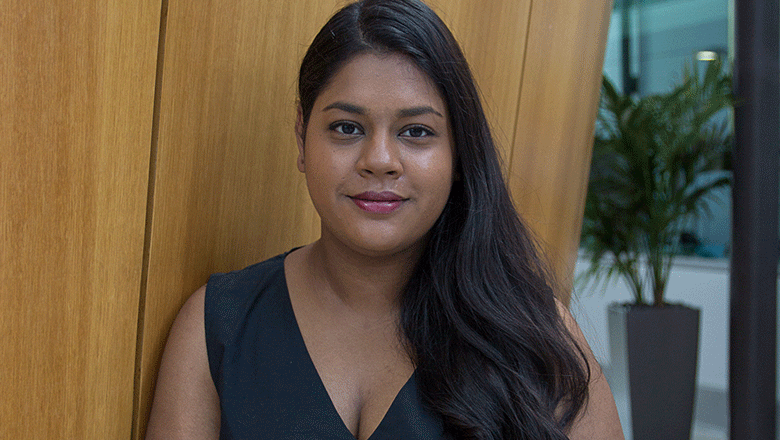
Congratulations to Gail Alvares from our Autism research team who has been named as one the ABC's Top 5 Under 40 scientists in residence.
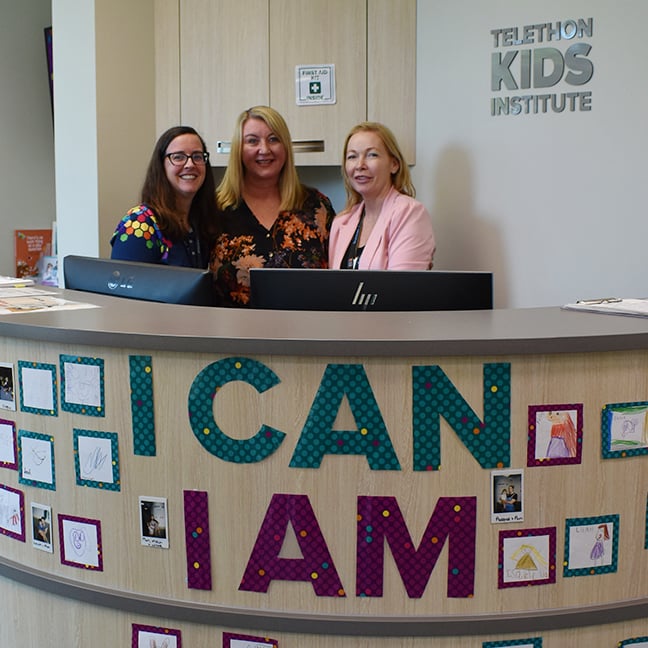
For Autism Month, CliniKids invited families to contribute to an "I can, I am!" strengths wall in its reception area – an idea that was wholeheartedly embraced by our little visitors and their families.
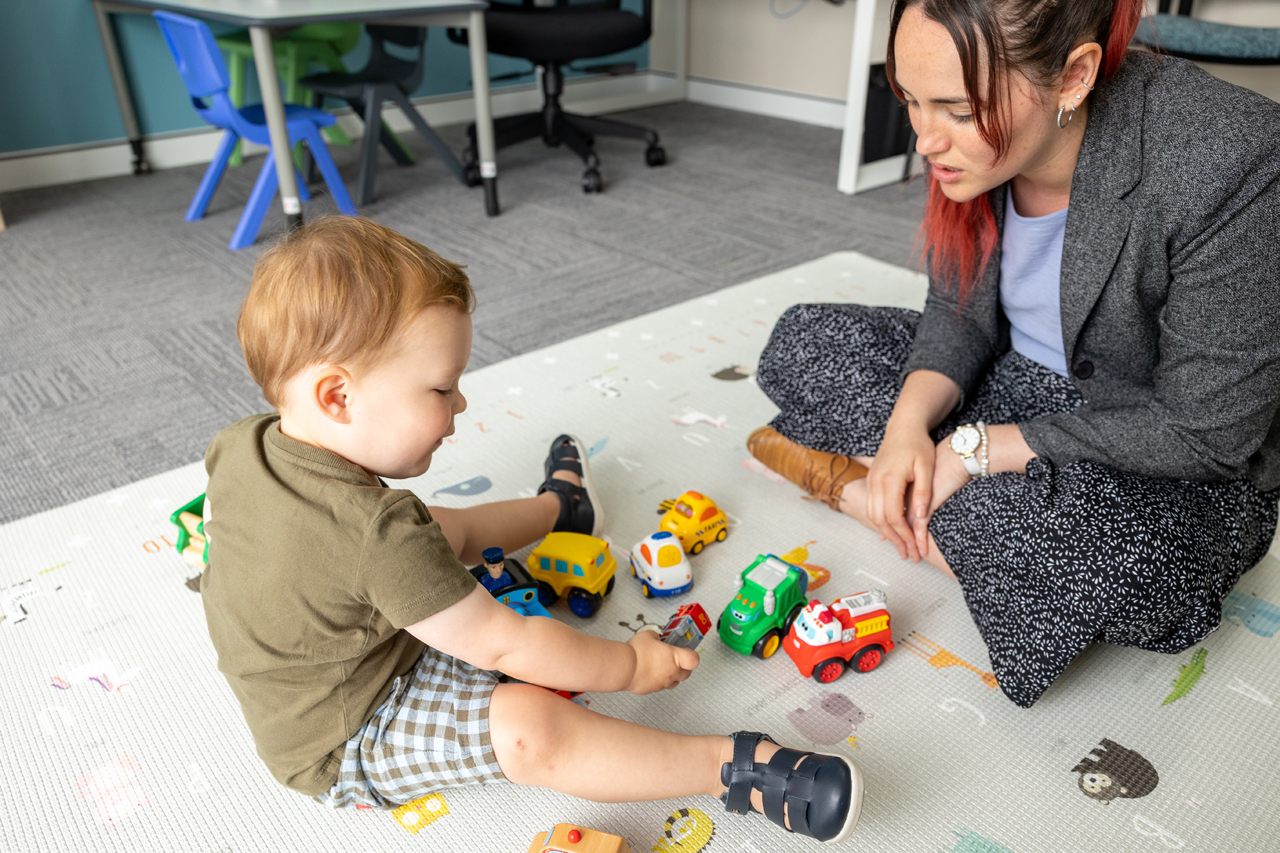
Are you tired of being on waitlists to access supports for your family? CliniKids has immediate availability for a number of therapies and programs in clinic (Subiaco and Joondalup) or via telehealth.
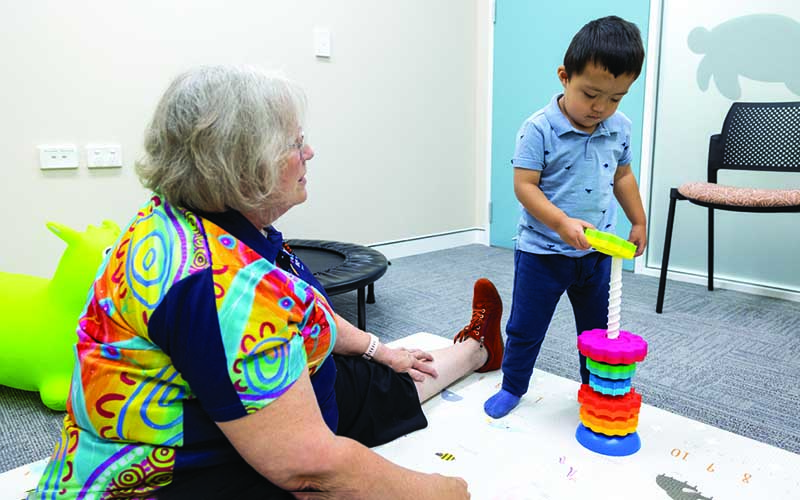
Discover how this family is benefitting from CliniKids' evidence-based therapies.
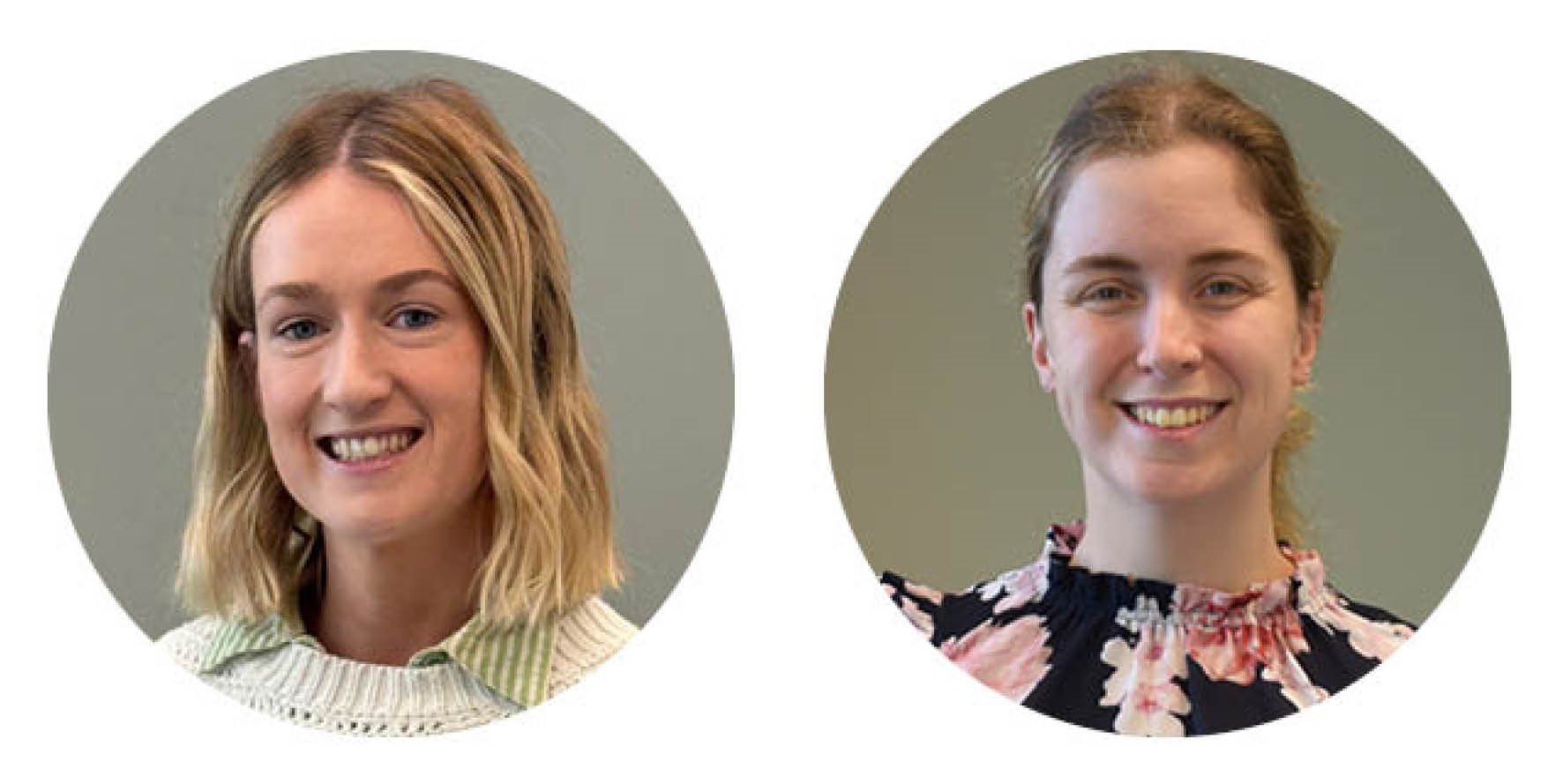
There’s a couple of new faces at our Joondalup clinic! Mikali is a Speech Pathologist and Katie is an Occupational Therapist. Both are taking on new clients.

In this blog, Speech Pathology Clinical Lead Aria May looks at telehealth and how it can support children and families with their therapy goals.
Siblings of children with intellectual disability have unique family experiences, varying by type of disability.