
Search
Our findings are crucial in demonstrating that the Northern Territory STS clone is not STX resistant
Prevalence of skin sores and scabies in remote Australian Aboriginal communities remains unacceptably high, with Group A Streptococcus (GAS) the dominant pathogen. We aim to better understand the drivers of GAS transmission using mathematical models.
The current prophylactic treatment to prevent rheumatic heart disease requires four-weekly intramuscular injection of a suspension of the poorly soluble benzathine salt form of penicillin G (BPG) often for more than 10 years. In seeking to reduce the frequency of administration to improve adherence, biodegradable polymer matrices have been investigated.
The rates of RHD in Timor-Leste are among the highest in the world, and prevalence is higher among girls than boys. Community engagement is essential for ensuring follow-up and the effective delivery of secondary prophylaxis.
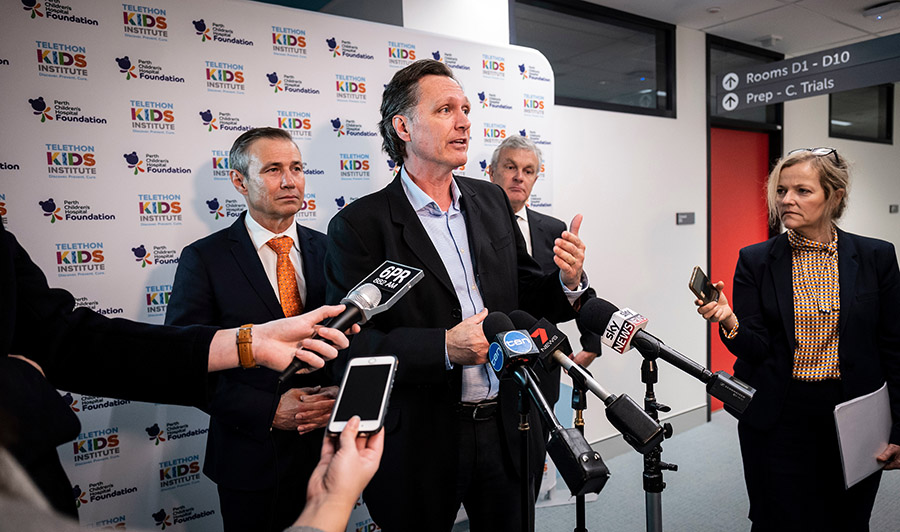
Thanks to a partnership with Perth Children’s Hospital Foundation, Perth’s The Kids Research Institute Australia will be at the forefront of a global push to decode the human immune system to transform how we prevent, diagnose and treat disease as the first international hub of the Human Vaccines Project.
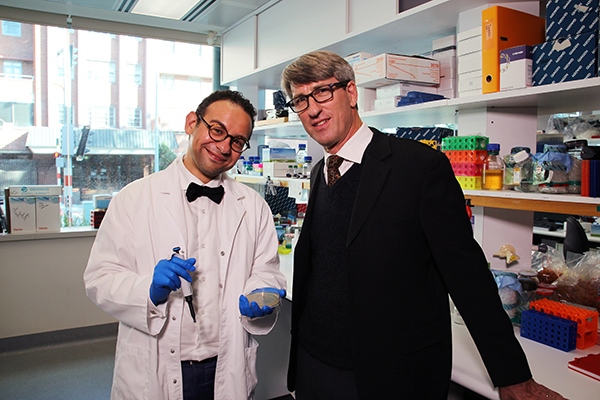
The Kids Research Institute Australia and WA pharmaceuticals company Boulos and Cooper have signed a $685,000 agreement to develop what could be the first new class of antibiotics in decades.
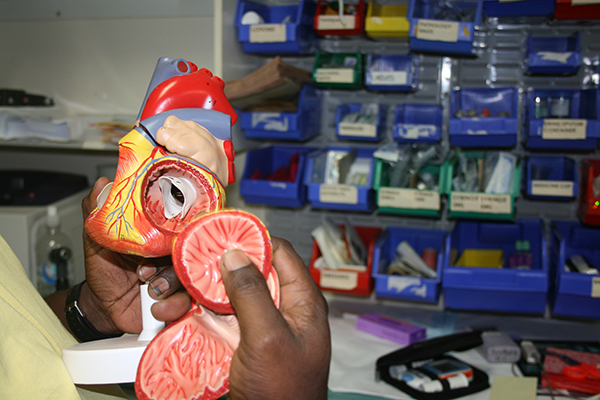
Health activities driven by remote Indigenous communities may be key to the sustainable and successful treatment and prevention of a potentially fatal disease, a study has found.
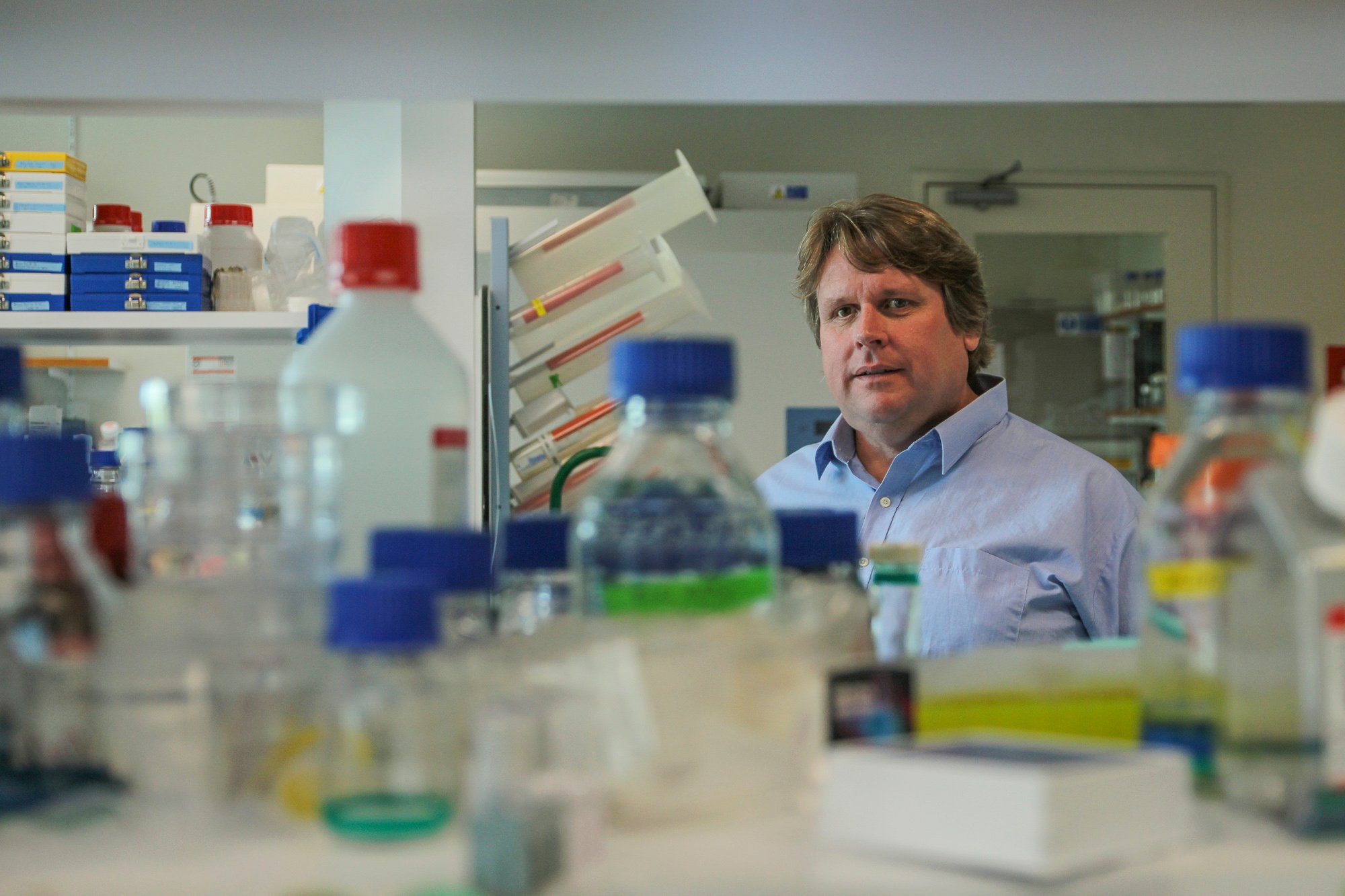
The Kids Research Institute Australia’s cancer researchers will use funds raised in the name of a brave three-year-old girl to launch a new assault on the devastating form of childhood cancer which took her life.
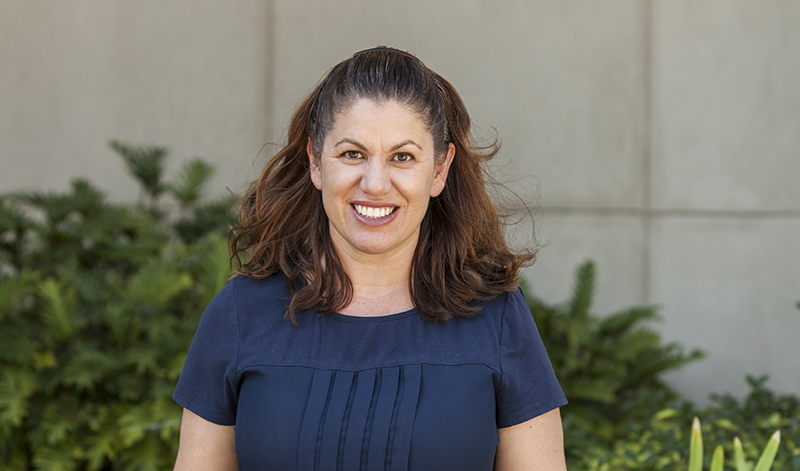
The Kids Research Institute Australia researcher Dr Melissa O’Donnell has been named Woodside Early Career Scientist of the Year at the 2018 Premier’s Science Awards for her internationally recognised work in the area of child abuse and neglect.
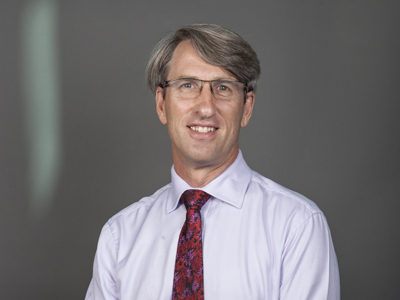
Researchers from Perth’s The Kids Research Institute Australia have developed a world-first screening tool that helps deliver smart drugs into cells to battle hard-to-treat diseases like cancer and Duchenne Muscular Dystrophy.