
Maternal supplementation with 900 mg of ω-3 LCPUFA did not change the progression of IgE-mediated allergic disease symptoms or sensitization
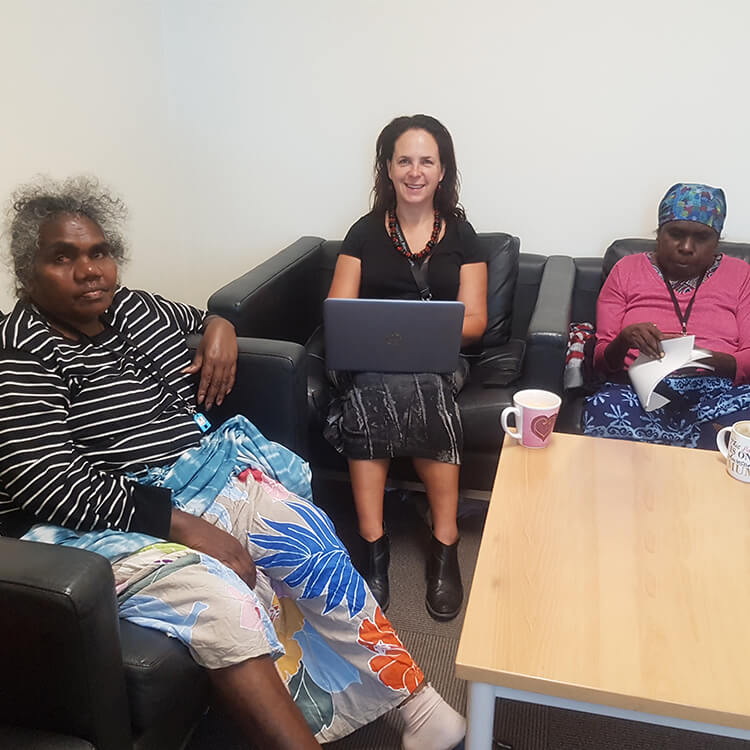
For Aboriginal Community Researchers Minitja Marawili and Yunutju Gondarra, the work of the END RHD CRE is deeply personal.
The Children’s Diabetes Centre showcased its progress in paediatric Type 1 Diabetes research at a JDRF Australia event held at The Kids Research Inst…
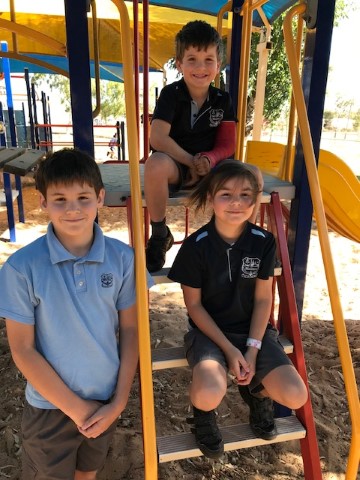
Meet Nathan, Hayley and Aiden. They all live with Type 1 Diabetes (T1D) and attend the same primary school.

Kids living with Type 1 Diabetes got to hang out with super heroes and like-minded peers at the Diabetes WA and Princess Margaret Hospital (now known…
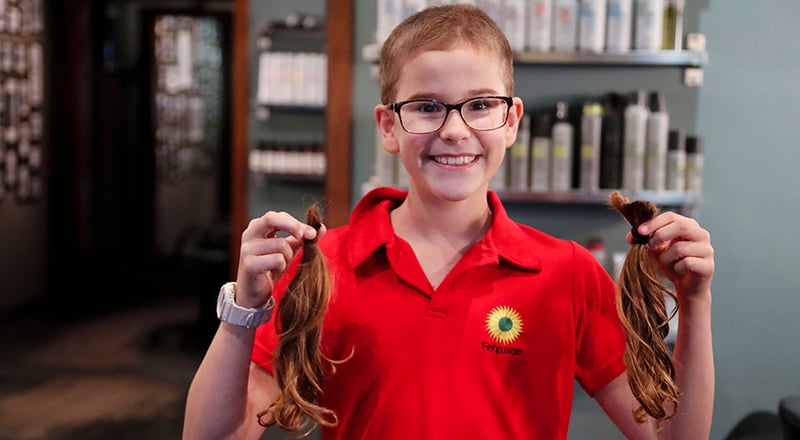
You can make a difference to kids’ health at any age. Just ask 11-year-old Charlotte, who raised more than $11,000 for kids’ brain cancer research at…
The current data add to the increasing evidence for the lack of relationship between autistic traits and postnatal levels of testosterone in men
Increased collaboration and engagement across all sectors can optimise the use of linked data to help reduce the burden of infectious diseases
We aimed to systematically review and assess the performance of all published models that predicted development of COPD