
Given the rise of multidrug-resistant (MDR) Pseudomonas aeruginosa infections, alternative treatments are needed. Anti-pseudomonal phage therapy show…
Lung damage in children with CF occurs much earlier than previously thought, and proving this is related to the decline that occurs later will create…
Current NICE 2015 guidelines for bronchiolitis state that the use of HFNC is becoming widespread without demonstration of additional efficacy.
grow and develop in premmie babies and looking at lung function and air travel. Hear about ... A FREE public seminar on premature babies and lung dev…
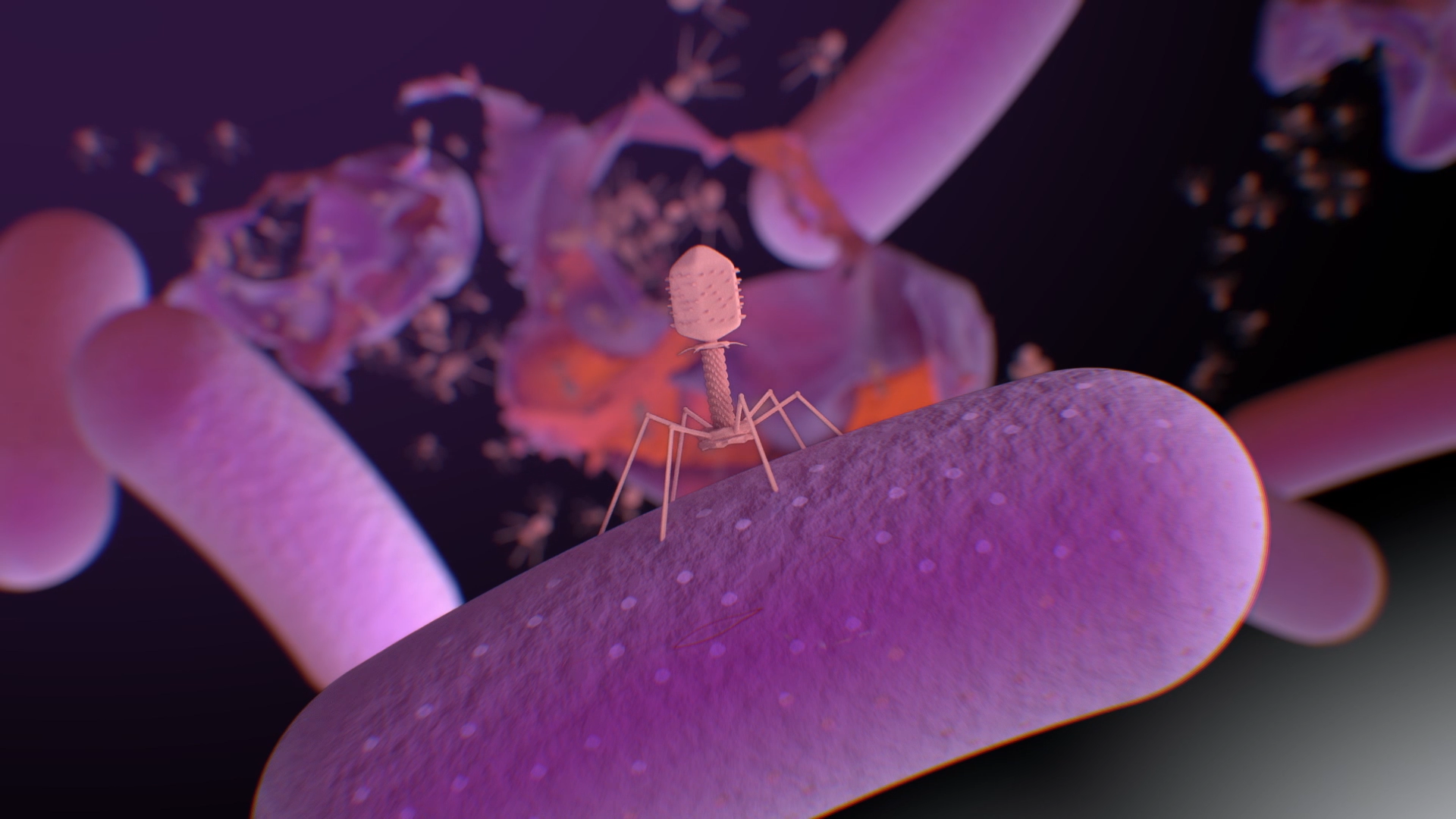
CF and the interaction between phages and the CF lung, including this thick mucus, is not well studied ... understand the interaction between phages…

and Functional Imaging in Paediatric Respiratory Disease disease Lung Disease disease, leukaemia and mental health.” You can read
to neonatal outcomes, especially infants born preterm or needing critical care.
Developmental Origins of Health and Disease
Pregnancy is associated with an alternatively activated phenotype of alveolar macrophage before infection
Environmental exposure to phthalates and bisphenol A (BPA), chemicals used in the production of plastics, may increase risk for asthma and allergies.…