
Search
Showing results for "mental health aboriginal"
Antimicrobial stewardship (AMS) is crucial for optimizing antimicrobial use and restraining emergence of antimicrobial resistance. The overall increase in reported antibiotic allergies in children can pose a significant barrier to AMS, but its impact on clinical AMS care in children has not been addressed.
Tick bites and tick-related diseases are on the rise. Diagnostic tests that identify well-characterised tick-borne pathogens (TBPs) possess limited capacity to address the causation of symptoms associated with poorly characterised tick-related illnesses, such as debilitating symptom complexes attributed to ticks (DSCATT) in Australia. Identification of local signals in tick-bitten skin that can be detected systemically in blood would have both clinical (diagnostic or prognostic) and research (mechanistic insight) utility, as a blood sample is more readily obtainable than tissue biopsies.
In mid-2018, the Australian childhood 13-valent pneumococcal conjugate vaccine schedule changed from 3+0 to 2+1, moving the third dose to 12 months of age, to address increasing breakthrough cases of invasive pneumococcal disease (IPD), predominantly in children aged >12 months. This study assessed the impact of this change using national IPD surveillance data.
Nirsevimab is a long-acting monoclonal antibody used to prevent respiratory syncytial virus (RSV) infection in infants and high-risk children. During the 2024 RSV season in Western Australia, 21 922 doses were administered to infants entering their first season and 1221 doses to at-risk children. In this context, the selection and spread of escape variants are a potential concern. This study aimed to investigate nirsevimab binding site mutations using clinical and wastewater data.
LiL' STEPS (Language development & Intervention Lab's SupporTing Early social-communication and language by Promoting caregiver Sensitive responsiveness) is a novel, manualized, caregiver-mediated early support program developed in India and delivered online for infants at elevated familial likelihood for autism. The program has been found to be feasible and acceptable. The preliminary efficacy of the LiL' STEPS program, which remains to be evaluated, was assessed in this study using a feasibility randomized controlled trial design.
Invasive mould infection (IMI) is a major cause of morbidity and mortality in immunocompromised children. Outcomes for paediatric patients with IMI remain poor, due in part to the limitations of available diagnostic tools and therapeutic agents.
Findings from the Banksia Hill Project revealed 89% of young people in detention who were assessed as part of the project had at least one form of severe neurodevelopmental impairment.
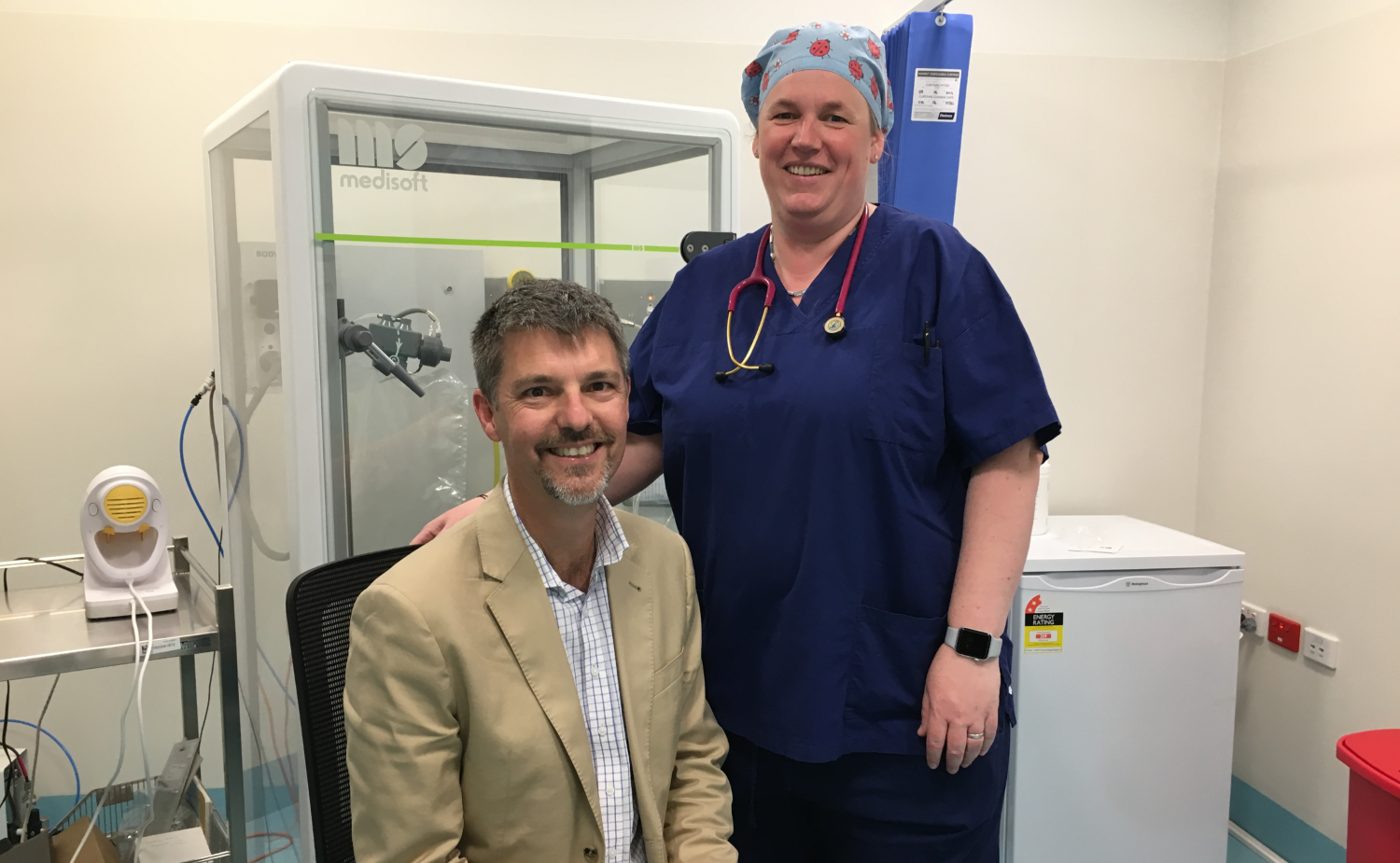
World-first findings from the collaborative REACT study – a joint project between The Kids, PCH, UWA and Curtin University – have led to the asthma medication Ventolin being routinely given to paediatric patients before tonsillectomy surgery to prevent respiratory complications.

One third of Australia’s children will be better supported at school, thanks to a The Kids Research Institute Australia evidence review of what works best to support student behaviour needs.
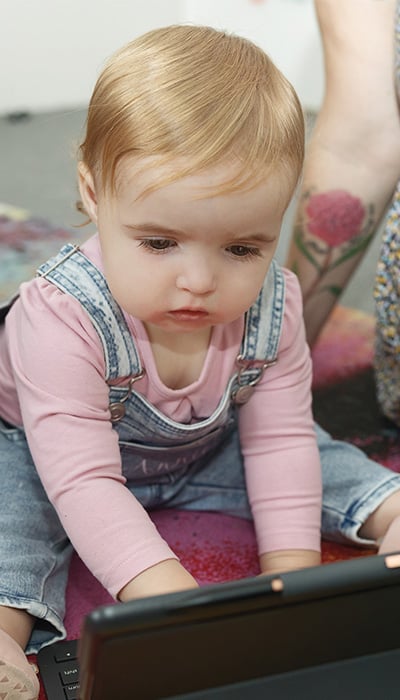
A The Kids Research Institute Australia study has found the average six-month-old Australian baby has more than one hour of screen time each day.