
Search
Showing results for "mental health aboriginal"
Findings from the Banksia Hill Project revealed 89% of young people in detention who were assessed as part of the project had at least one form of severe neurodevelopmental impairment.
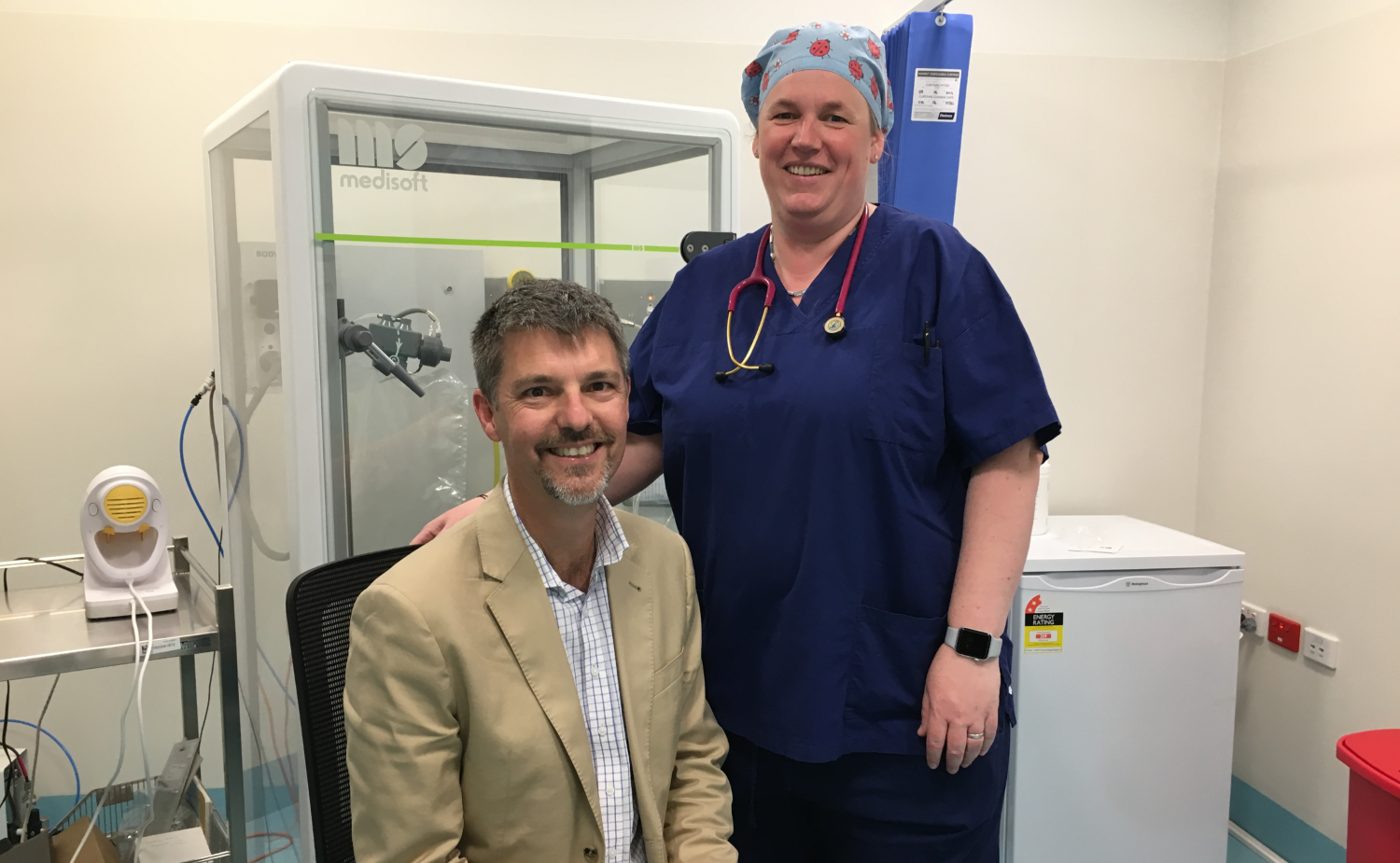
World-first findings from the collaborative REACT study – a joint project between The Kids, PCH, UWA and Curtin University – have led to the asthma medication Ventolin being routinely given to paediatric patients before tonsillectomy surgery to prevent respiratory complications.

One third of Australia’s children will be better supported at school, thanks to a The Kids Research Institute Australia evidence review of what works best to support student behaviour needs.

A The Kids Research Institute Australia study has found the average six-month-old Australian baby has more than one hour of screen time each day.

Coconut oil has been used on premature babies to help fight off deadly infections. Researchers are now hoping to prove it is effective for other conditions as well.

Three hundred and fifty million people live with an undiagnosed disease worldwide and three quarters of them are children.
Individuals exhibiting pronounced autistic traits (e.g., social differences and specialised interests) may struggle with cognitive empathy (i.e., the ability to infer others' emotions), although the relationship with affective empathy (i.e., the ability to share others' emotions) is less clear in that higher levels of autistic traits may be linked with increased affective empathy for negative emotions but reduced affective empathy for positive emotions. The current study investigates this empathy profile and whether alexithymia and emotion dysregulation help to explain it.
The relationship between diabetic ketoacidosis (DKA) at diagnosis of type 1 diabetes and long-term glycemic control varies between studies. We aimed, firstly, to characterize the association of DKA and its severity with long-term HbA1c in a large contemporary cohort, and secondly, to identify other independent determinants of long-term HbA1c.
Parents are often expected to be the primary implementers of intervention for their young children with autism spectrum disorder (ASD). The provision of a few hours a week of intervention by a trained therapist, in addition to parent-implemented intervention, could increase child outcomes compared to parent-implemented intervention in isolation.
The developmental origins of handedness remain elusive, though very early emergence suggests individual differences manifesting in utero could play an important role. Prenatal testosterone and Vitamin D exposure are considered, yet findings and interpretations remain equivocal.