
Search
Showing results for "mental health aboriginal"
Rates of several vaccine preventable diseases, and associated hospitalisation, are higher among Aboriginal and/or Torres Strait Islander children than non-Indigenous children. Western Australia has among the lowest childhood vaccine coverage in Australia, particularly among Aboriginal and/or Torres Strait Islander children. Delayed vaccination is also more common in this population. This project aimed to understand the barriers and facilitators to vaccine uptake and timeliness among Aboriginal and/or Torres Strait Islander children aged under five years in Boorloo (Perth).
There is a growing understanding of how Aboriginal and Torres Strait Islander peoples in Australia define healthy ageing. Little is known however about how aged care services can support their healthy ageing needs. Therefore, the aim of this study was to explore community and service provider perspectives on how home-based and residential aged care services can best support the healthy ageing needs of Aboriginal and Torres Strait Islander peoples.
Menstrual health is essential for gender equity and the well-being of women and girls. Qualitative research has described the burden of poor menstrual health on health and education; however, these impacts have not been quantified, curtailing investment.
Benefits in teaching the Alert Program® to students in a region with high reported rates of foetal alcohol spectrum disorder and self-regulation impairment
This paper discusses the findings and the research process undertaken thus far for the Looking Forward Aboriginal Mental Health Project.
Since colonisation in Australia, dominant western narratives have continually undermined the identity of Aboriginal and Torres Strait Islander peoples. Through a lens of subaltern theory, this article explores how Aboriginal children, their families, and their communities are spoken for and about as members of subaltern communities by non-Indigenous foster carers.
The Australasian guidelines recommend use of the CHA2 DS2 -VA schema to stratify ischaemic stroke risk in patients with non-valvular atrial fibrillation (N-VAF) and determine risk thresholds for recommending oral anticoagulant (OAC) therapy. However, the CHA2 DS2 -VA score has not been validated in a representative Australian population cohort with N-VAF, including in Aboriginal people who are known to have a higher age-adjusted stroke risk than other Australians.
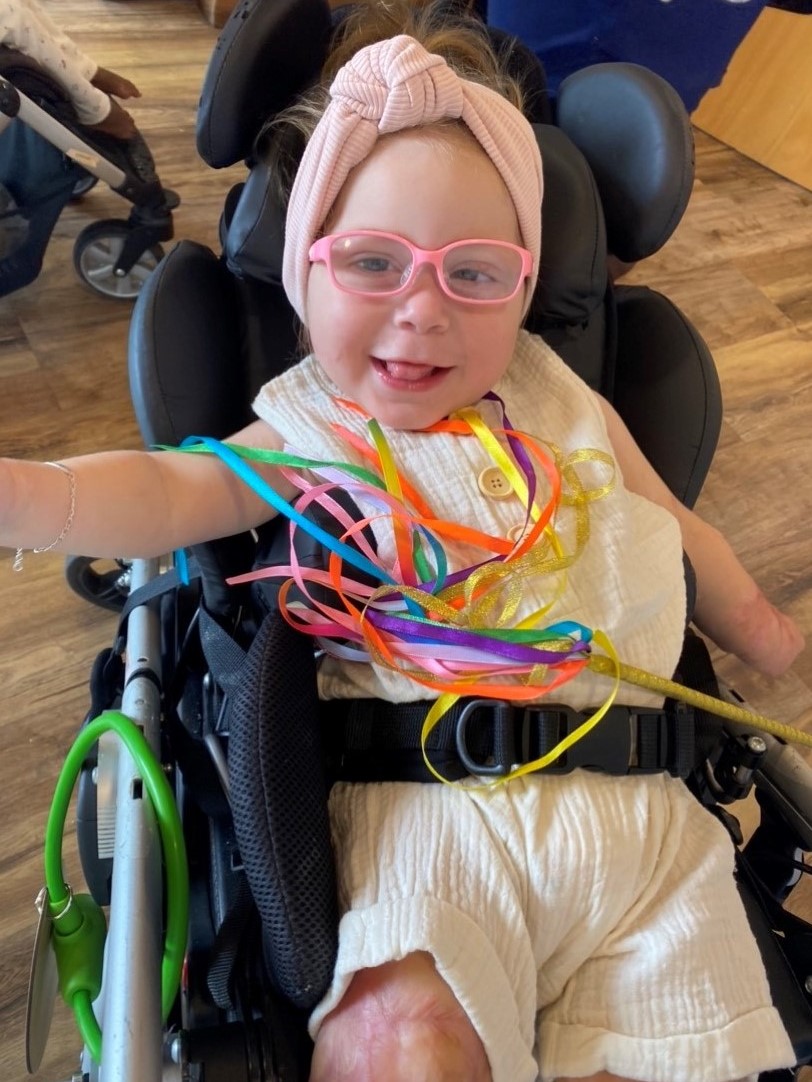
Ten years of dedicated research investigating the Meningococcal ACWY vaccine paid off 20 times over in 2019, after its inclusion on the National Immunisation Program saw a significant decrease in children being diagnosed with the deadly disease.
Environmental epigenetics is a fast-growing field of scientific research attracting interest from key stakeholders in Indigenous health internationally, including researchers, clinicians, policymakers, and advocacy organisations. It is the study of how various external factors, including food, stress, and toxins, alter genetic expression, and could be biologically passed down to children (and potentially grandchildren).
This paper describes a ten-day sanitation mapping project in Mumbai, India and explores the broader implications for global public health student electives.