
Search
Showing results for "early lung health"
Our goal is to accelerate the dissemination and implementation of evidence-based models of care for children and young people living with Type 1 Diabetes.
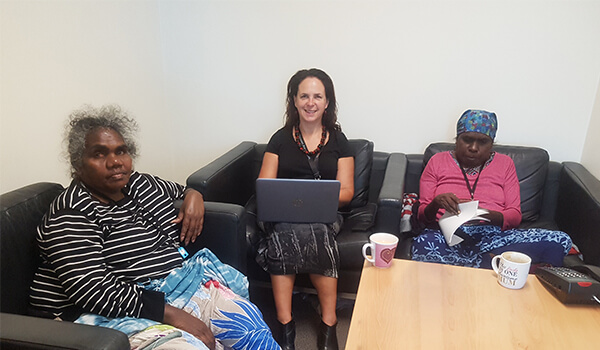
For Aboriginal Community Researchers Minitja Marawili and Yunutju Gondarra, the work of the END RHD CRE is deeply personal.
The main aim of the study is to provide timely surveillance data to public health authorities on severe influenza.
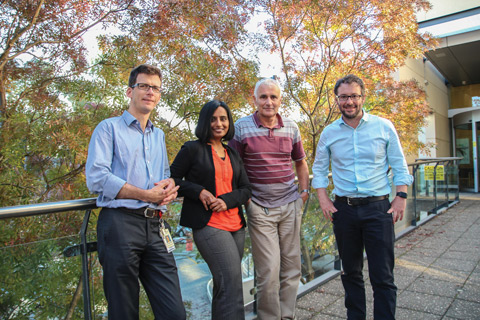
In 2010, a large number of children experienced febrile convulsions after receiving the FluVax vaccination and many parents began to question its safety.

Beacon would not have been made possible without the generous support and collaborations of the following organisations.
Sepsis is a significant cause of mortality for children in Australia, particularly affecting young children, those with pre-existing health conditions and Aboriginal and Torres Strait Islander populations. The transition from hospital to home can be challenging for survivors, often leaving long-term impacts unaddressed.
The estimated effectiveness of SMS (short message service) reminders for improving childhood vaccine coverage and timeliness has varied in previous studies. The observed heterogeneity in effectiveness may be explained in part by variation in reminder content or timing of the reminder relative to the vaccine schedule date. We sought to evaluate the effectiveness of a range of SMS reminders of varied content and timing for improving on-time childhood vaccination.
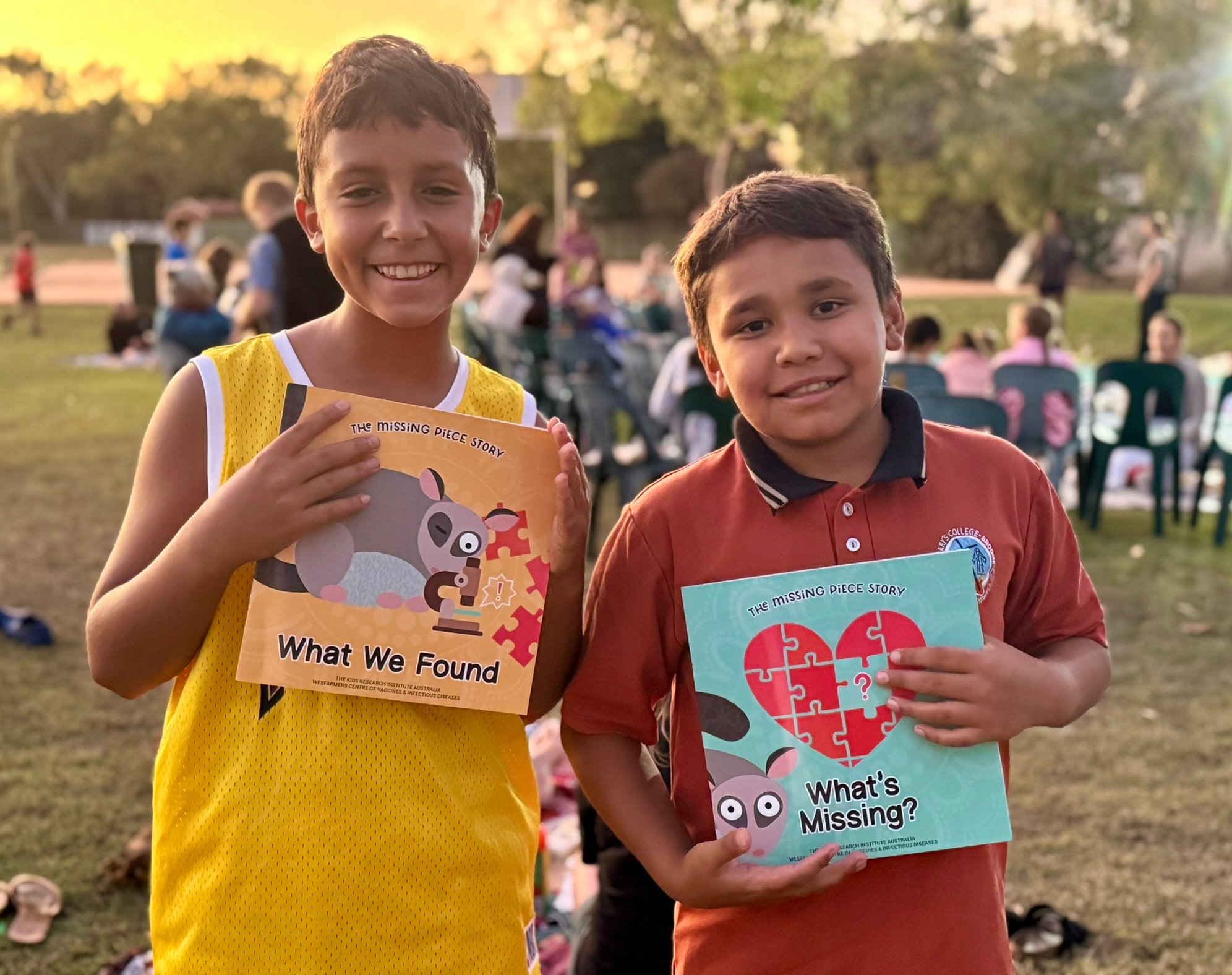
Wesfarmers Centre of Vaccines and Infectious Diseases researchers Dr Janessa Pickering and Dr August Mikucki travelled to Broome last week for the official launch of the long-awaited Missing Piece story books.
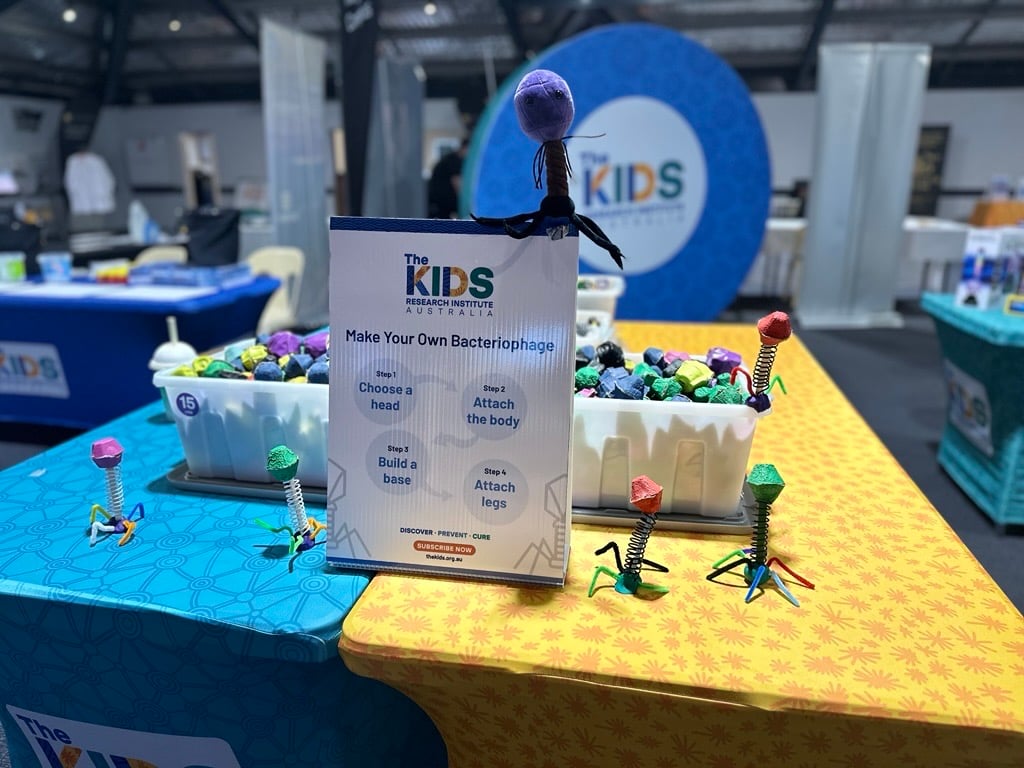
Associate Professor Anthony Kicic is working alongside local Indigenous communities to search land and water for naturally occurring bacteriophages.
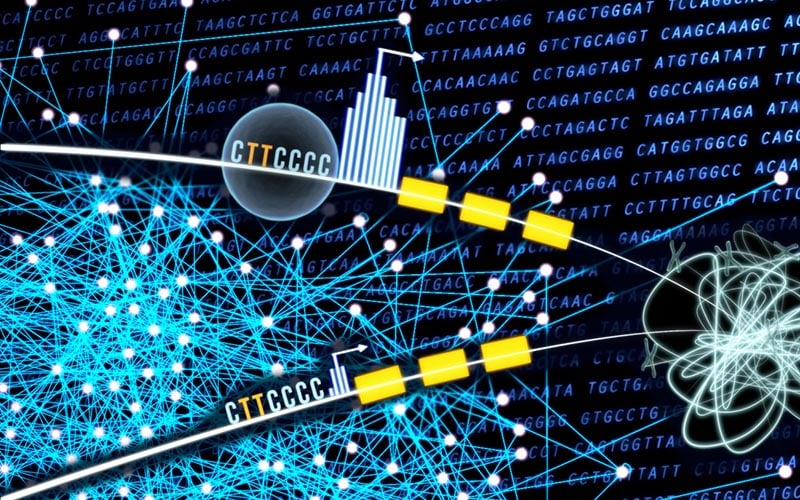
A researcher's work from 20 years ago has helped to crack one of biology’s biggest mysteries.