
Search
Showing results for "mental health aboriginal"
SHIP-CT, led by Professor Stephen Stick, Director of the Wal-yan Respiratory Research Centre at The Kids, is a unique study in preschool-aged children (from 3-6 years of age) with CF using images of the lung from chest CT scans as the main outcome measure.
Current immunization guidelines recommend one dose of influenza vaccine for children aged ≥9 years and two doses for younger or vaccine-naïve children. However, children receiving chemotherapy have an attenuated immune response. We performed a prospective open-label study in children undergoing treatment for cancer at Perth Children's Hospital, Western Australia, to examine the safety and efficacy of a boosted influenza schedule.
Gram-negative bloodstream infections are associated with significant morbidity and mortality in children. Increasing antimicrobial resistance (AMR) is reported globally, yet efforts to track pediatric AMR at a national level over time are lacking.
Gram-negative bloodstream infections are associated with significant morbidity and mortality in children. Increasing antimicrobial resistance (AMR) is reported globally, yet efforts to track pediatric AMR at a national level over time are lacking.
From 1 January 2020 to 31 December 2021, thirty-eight institutions across Australia submitted data to the Australian Group on Antimicrobial Resistance (AGAR) from patients aged < 18 years (AGAR-Kids). Over the two years, 1,679 isolates were reported from 1,611 patients. This AGAR-Kids report aims to describe the population of children and adolescents with bacteraemia reported to AGAR and the proportion of resistant isolates.
Understanding patterns of bacterial carriage and otitis media (OM) microbiology is crucial for assessing vaccine impact and informing policy. The microbiology of OM can vary with geography, time, and interventions like pneumococcal conjugate vaccines (PCVs). We evaluated the microbiology of nasopharyngeal and middle ear effusions in children living in Western Australia, 11 years following the introduction of PCV13.
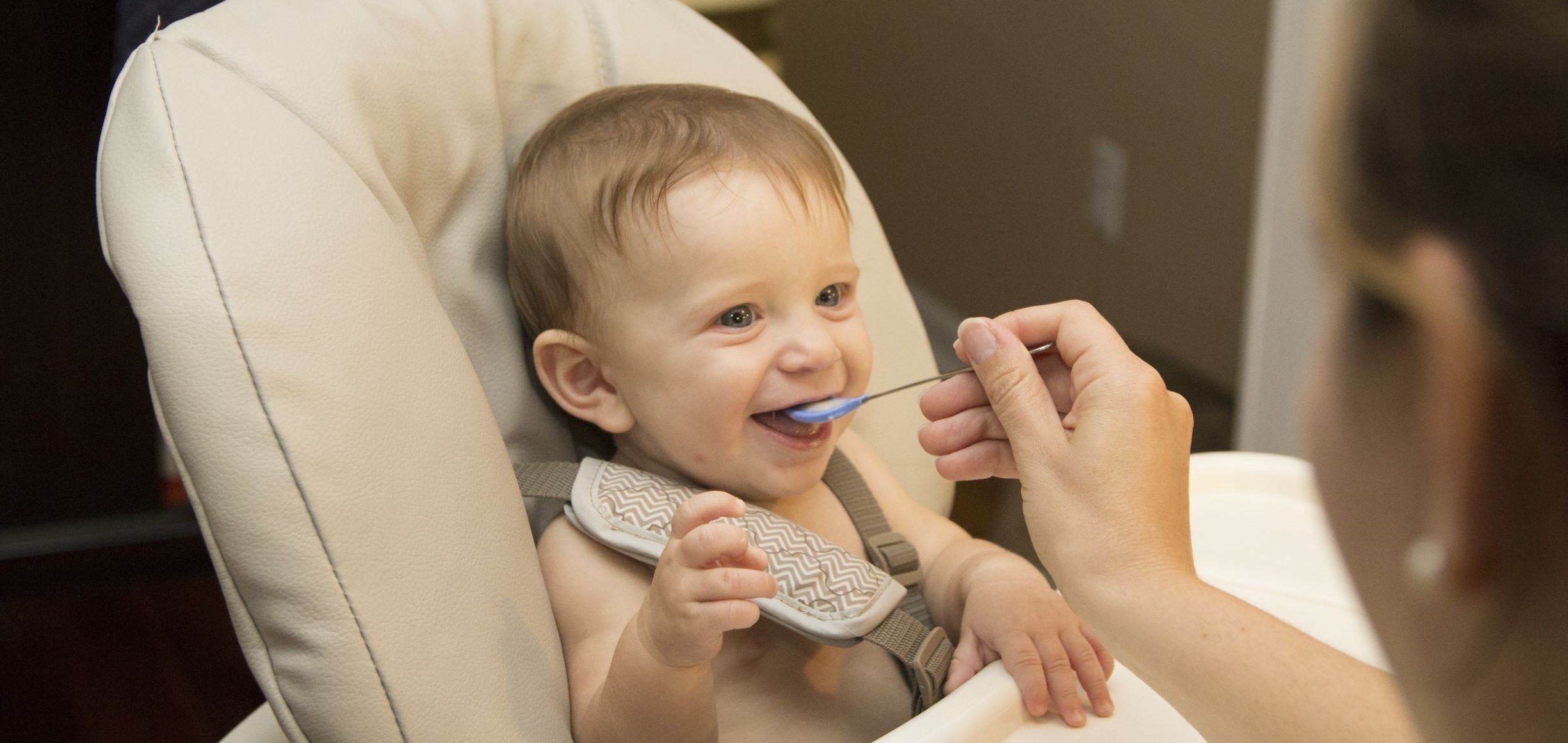
A dramatic rise in food allergies over the past 20 years had Australian medical professionals scratching their heads, with three in every ten babies born each year developing food-related allergy or eczema.
Infants with KMT2A-rearranged B-cell acute lymphoblastic leukemia (ALL) have a dismal prognosis. Survival outcomes have remained static in recent decades despite treatment intensification and novel therapies are urgently required.
Infants with KMT2A-rearranged B-cell precursor acute lymphoblastic leukemia (ALL) have poor outcomes. There is an urgent need to identify novel agents to improve survival. Proteasome inhibition has emerged as a promising therapeutic strategy for several hematological malignancies. The aim of this study was to determine the preclinical efficacy of the selective proteasome inhibitor carfilzomib, for infants with KMT2A-rearranged ALL.
Unlike adults, malignant melanoma in children and adolescents is rare. In adult melanoma, significant progress in understanding tumor biology and new treatments, including targeted therapies and immunotherapy have markedly improved overall survival. In sharp contrast, there is a paucity of data on the biology and clinical behavior of pediatric melanoma. We report a national case series of all pediatric and adolescent malignant melanoma presenting to ANZCHOG Childhood Cancer Centers in Australia and New Zealand.