
Search
Showing results for "mental health aboriginal"
With improvement in leukemia therapy, central nervous system (CNS) tumors are the leading cause of cancer mortality in children and the most expensive...

Jake's diabetes journey Age when diagnosed; two years-old, almost three.
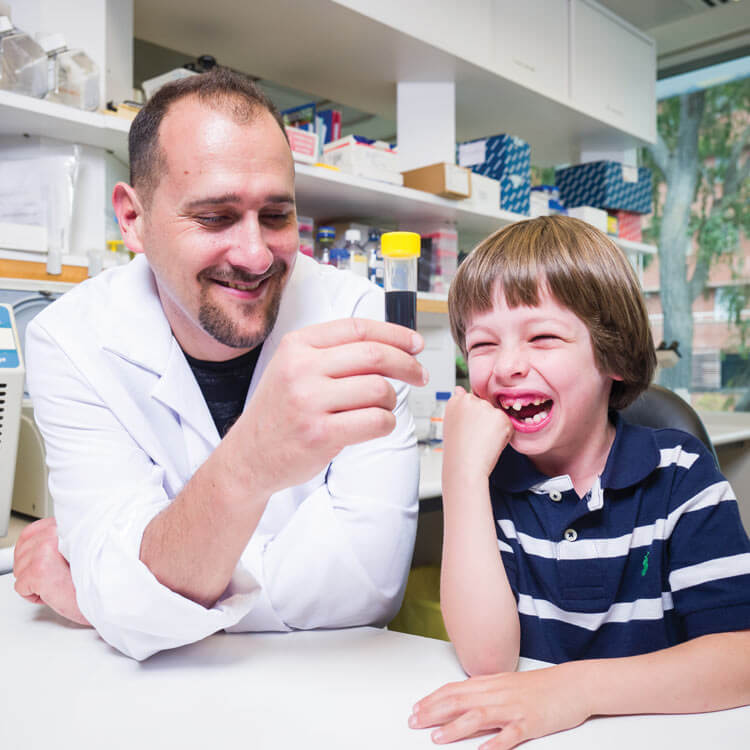
Thanks to an enabling donation from the Stan Perron Charitable Foundation, The Kids Research Institute Australia is home to one of the first paediatric personalised medicine research centres in the world.
Between January 2022 and December 2023, there were 1,827 bloodstream infection (BSI) isolates in 1,745 children and adolescents reported to the Australian Group on Antimicrobial Resistance (AGAR) surveillance outcome programs, with 40% of episodes in children aged < 12 months.
Rising proportions of antimicrobial resistance (AMR) have been observed in both Staphylococcus aureus and Enterococcus spp. isolates.
From 1 January 2020 to 31 December 2021, thirty-eight institutions across Australia submitted data to the Australian Group on Antimicrobial Resistance (AGAR) from patients aged < 18 years (AGAR-Kids). Over the two years, 1,679 isolates were reported from 1,611 patients. This AGAR-Kids report aims to describe the population of children and adolescents with bacteraemia reported to AGAR and the proportion of resistant isolates.
Children in low-mid income countries, and First Nations children in high-income countries, experience disproportionately high rates of Streptococcus pneumoniae and Haemophilus influenzae infections and diseases including pneumonia and otitis media.
Immunity is distinct in early life and greater precision is required in our understanding of mechanisms of early life protection to inform development of new pediatric vaccines
Admissions for ARI were higher in Western Australia and displayed greater socioeconomic disparities than England and Scotland, where ARI rates are increasing
Influenza vaccination recommendation by children’s hospital physicians and previous vaccine receipt in hospital was associated with vaccine uptake