
Search
Showing results for "aboriginal respiratory"
A telehealth-facilitated randomised-controlled trial utilising a health promotion intervention to resolve otitis media with effusion for children won specialist Ear, Nose and Throat (ENT) waiting lists
Researchers from the Wesfarmers Centre of Vaccines and Infectious Diseases at The Kids Research Institute Australia have shared their expertise with the community in Cockburn, covering topics ranging from respiratory disease in babies to recurring ear infections in kids.
Five The Kids Research Institute Australia researchers and a popular Institute-led science festival for kids have been named as finalists in the 2024 Premier’s Science Awards.
Our findings provide new insight into the molecular mechanisms operative at baseline in the airway mucosa in atopic asthmatic with natural aeroallergen exposure
Young adulthood is a critical life period for health and health behaviours.
Preterm birth and subsequent neonatal ventilatory treatment disrupts development of the hypoxic ventilatory response (HVR). An attenuated HVR has been identified in preterm neonates, however it is unknown whether the attenuation persists into the second year of life.
These baseline data are essential to assess the safety and effectiveness of influenza and pertussis vaccinations in pregnant women from the NT
Recently, "Technical standards for respiratory oscillometry" was published, which reviewed the physiological basis of oscillometric measures and detailed the technical factors related to equipment and test performance, quality assurance and reporting of results. Here we present a review of the clinical significance and applications of oscillometry.
This study aimed to determine how pulmonary inflammation & infection impacts on ventilation distribution throughout early life in people with cystic fibrosis.
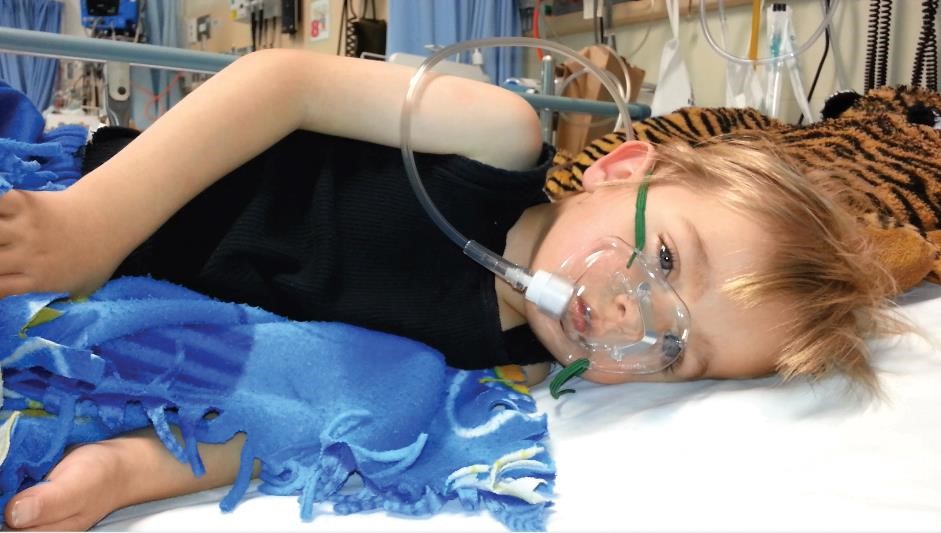
An ambitious project that could stop children developing asthma is the centrepiece of a new world-class respiratory research centre launched in Perth.