
Search
Showing results for "early lung health"
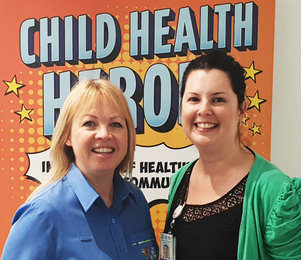
A Clinical Nurse Specialist position within Perth Children’s Hospital’s Diabetes Service has been funded as part of the Federal Government’s new Type 1 Diabetes Management in School program.
Join us in Western Australia's first home-based study looking at the effect of sprinting during exercise in Type 1 Diabetes.
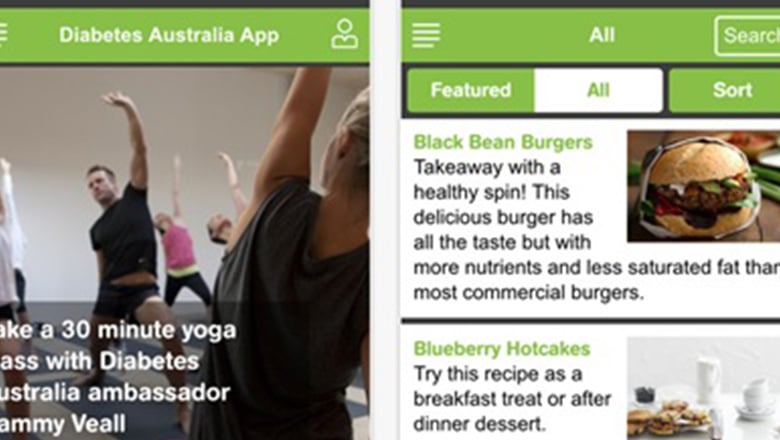
Diabetes Australia have released an app to make living with or caring for someone with diabetes a little easier.
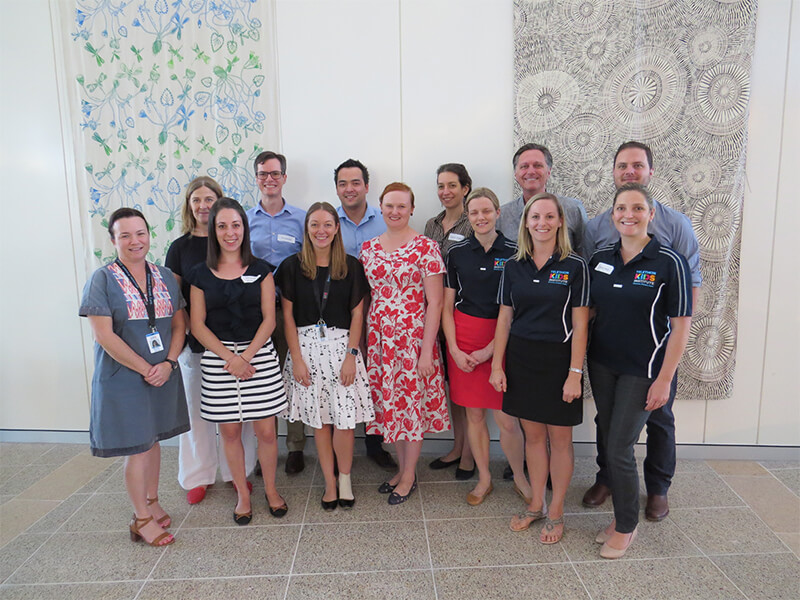
On 11 May 2017, over 60 attendees from throughout Australia convened in Darwin for a one-day Annual Meeting to discuss the progress of the END RHD CRE research projects, national RHD advocacy and the development of the final Endgame output.
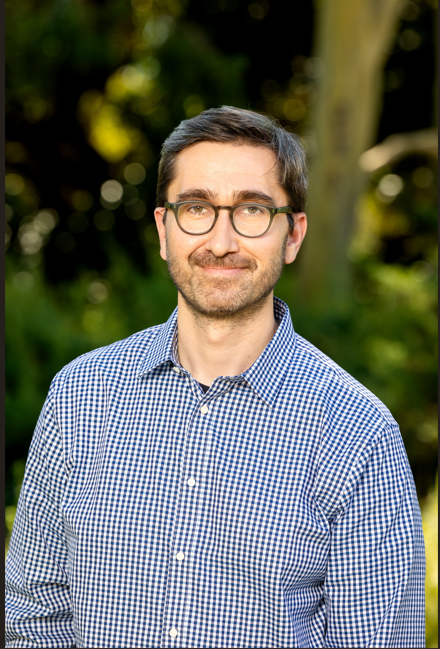
Mirko Uljarević is a Senior Principal Research Fellow at CliniKids
The Opportunity The Communications and Development team implements the Institute's overall communications, marketing and philanthropy strategies, as
The Opportunity We are looking for a dynamic team player with good communication and interpersonal skills to support a range of paediatric
The Opportunity To be involved with clinical trials that are a part of the Childhood Allergy and Immunology Research (CAIR) Group, run out of the

Co-Head, Leukaemia Translational Research
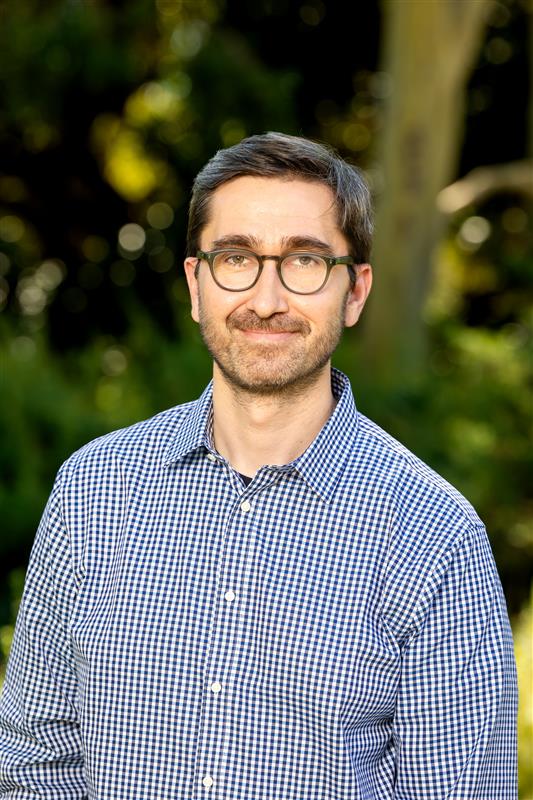
Mirko is a medically trained research-focused academic with a background in developmental psychology, psychometrics, and big data science. His research takes a life-span perspective and is driven by the urgent need to improve outcomes for people on the autism spectrum and with other neurodevelopmental and neuropsy