
Search
Showing results for "8"
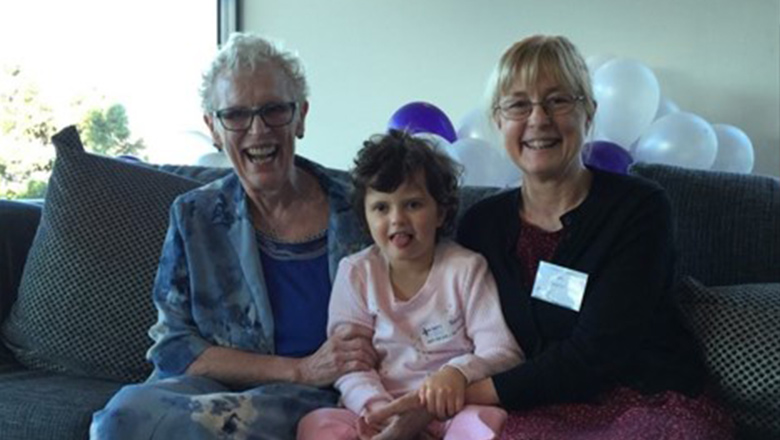
Our InterRett team visited Geelong, Australia to attend the first ever Rett Syndrome Association of Australia national conference.
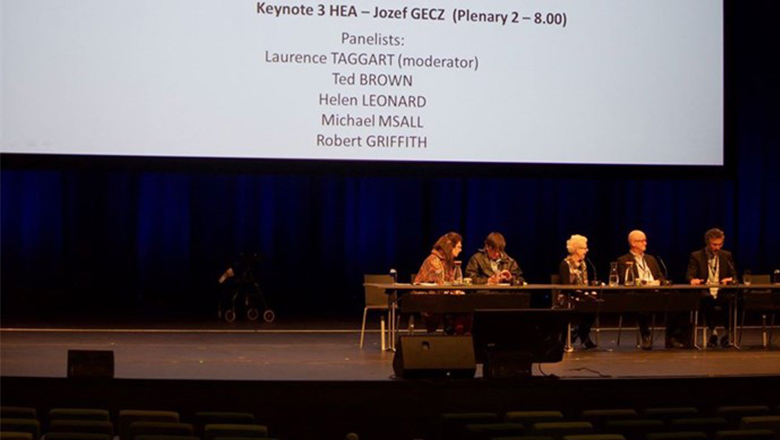
Our AussieRett team recently visited Melbourne, Australia for the IASSIDD 15th World Congress.
When you give to The Kids, you become a partner in our work. We couldn't do any of our research without the support of people and places like you.
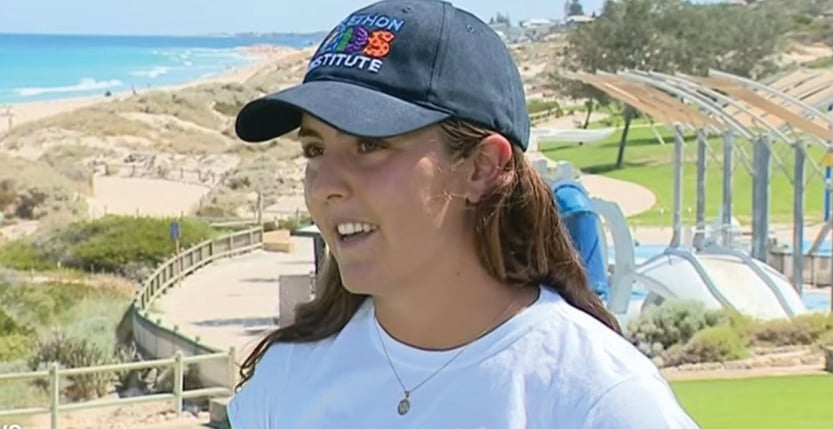
We were honoured to hear the story of the incredible Darcey Brooks who is tackling the Rottnest Channel Swim this Saturday to help raise money for research here at The Kids.
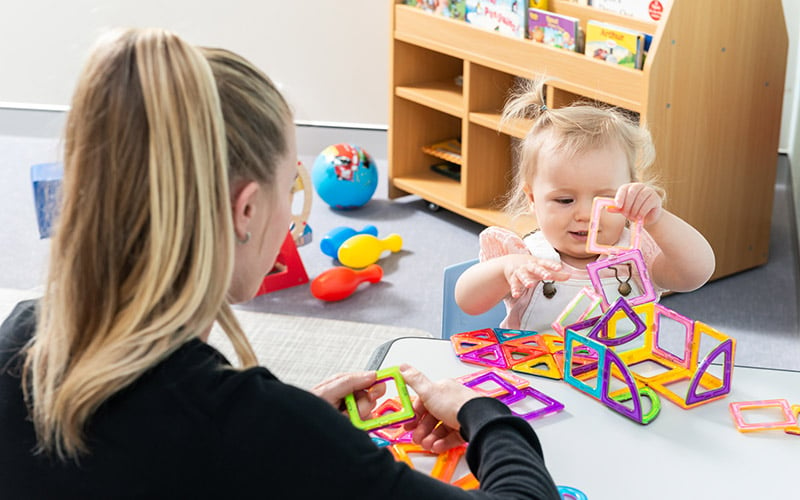
Learn more about the TOTS Study at CliniKids
The objective of this paper is to describe paediatric infectious diseases consultations across Australia and New Zealand.
In this review, we evaluate the published methodologies to describe a noninvasive technique for the quantitative assessment of umbilical venous blood flow in...
We evaluated the efficacy of the human papillomavirus HPV-16/18 AS04-adjuvanted vaccine against non-vaccine oncogenic HPV types.
Tumor cell death potentially engages with the immune system. However, the efficacy of anti-tumor chemotherapy may be limited by tumor-driven...
Research Officer