
Search
Showing results for "Childhood interstitial lung disease "

Meningococcal disease is caused by the bacteria Neisseria meningitidis, or 'meningococcus'. It's an uncommon but very serious disease that can result in death.
Infant lung function (ILF) testing may provide useful information about lung growth and susceptibility to respiratory disease.
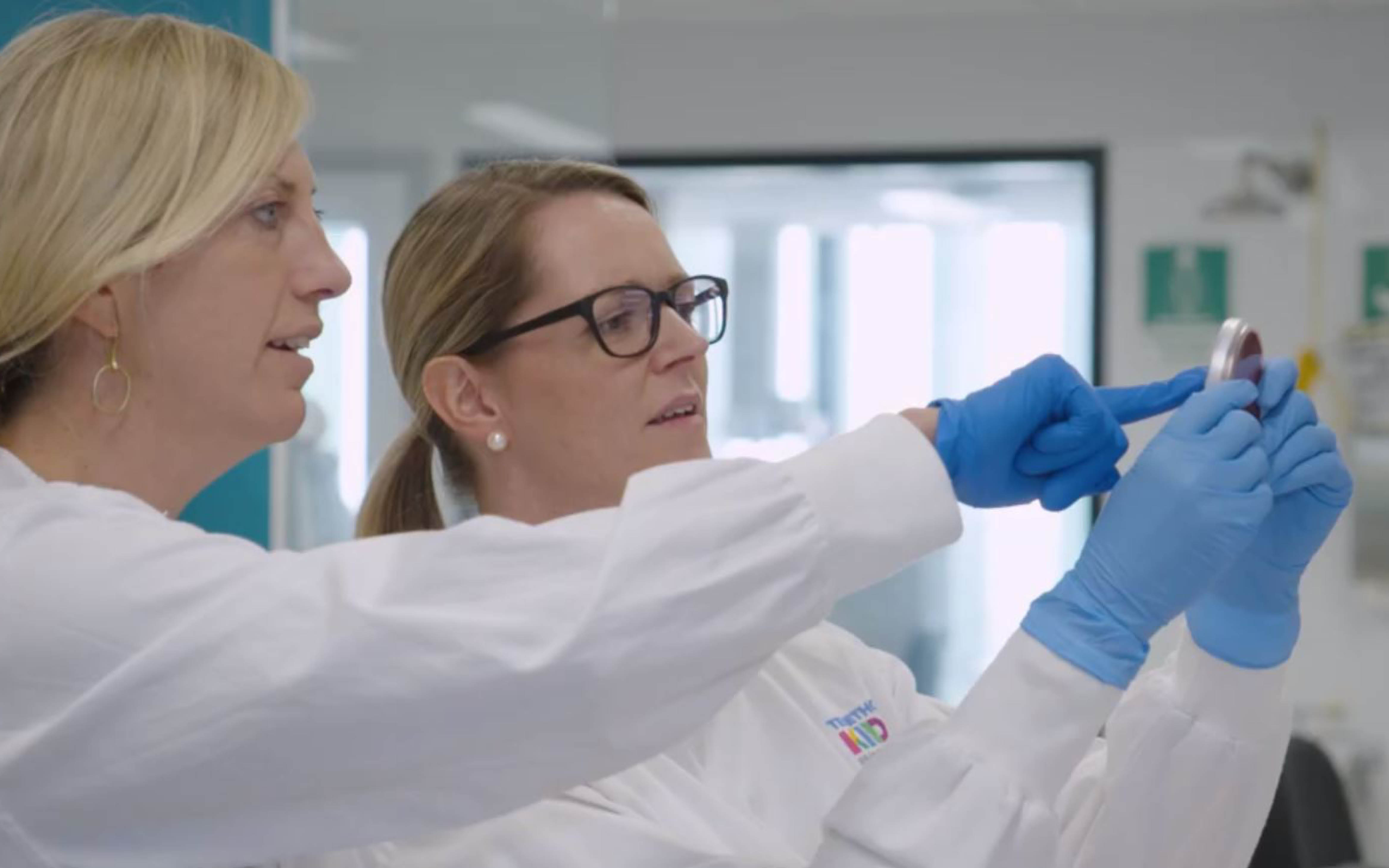
The Bacterial Respiratory Infectious Disease Group (BRIDG) has a major focus ear and lung disease involving Streptococcus pneumoniae and Haemophilus influenzae.
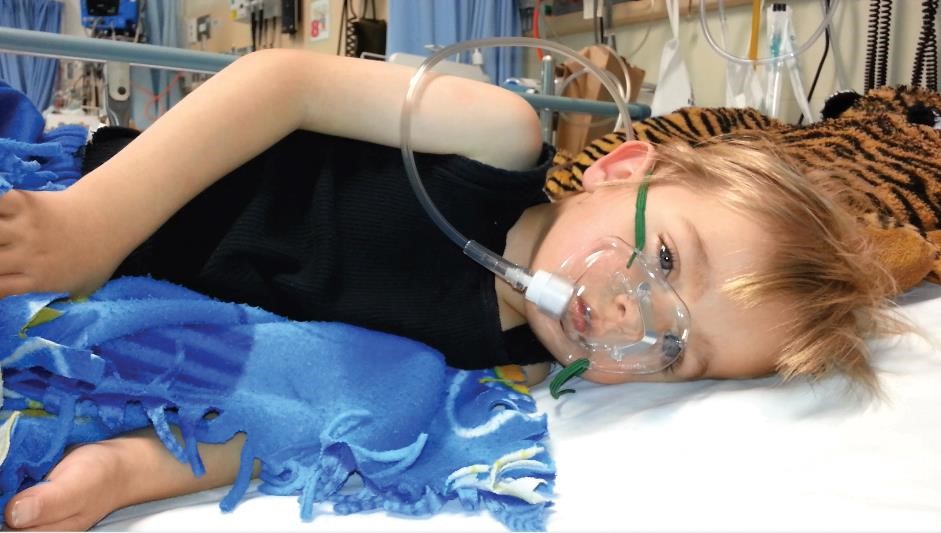
An ambitious project that could stop children developing asthma is the centrepiece of a new world-class respiratory research centre launched in Perth.
Once thought to be a simple barrier to the external environment, epithelial cells are involved in many repair and inflammatory processes that occur in childhood airway diseases.
Arsenic is the only environmental toxin that has been linked to both malignant and nonmalignant respiratory disease following ingestion, rather than inhalation, making arsenic a unique toxicant to the respiratory system. Chronic exposure to arsenic has been associated with the development of respiratory symptoms, impaired lung function, and chronic lung disease.
Unsedated infant lung function measures of tidal breathing, MBW, and eNO are feasible in a semi-rural African setting

A ground-breaking global clinical trial to improve the lifelong lung health of children born extremely prematurely has been awarded a Medical Research Future Fund (MRFF) International Clinical Trials Collaborations Grant totalling almost $3 million.
The aim of this study was to use total-population based data on an otherwise healthy population of children to assess the relationship between early...
The overarching aim of this project is to understand how plasmacytoid dendritic cells function in children with asthma and how genes and environmental stimuli influence these cells.