
Search
The first few days of life are characterized by rapid external and internal changes that require substantial immune system adaptations. Despite growing evidence of the impact of this period on lifelong immune health, this period remains largely uncharted.
Colostrum is the first milk for a newborn. Its high content in microbiota shaping compounds and its intake at the time of gut microbiota seeding suggests colostrum may be critical in the establishment of a healthy microbiota. There is also accumulating evidence on the importance of the gut microbiota for healthy growth.
This study highlights the importance of human milk in providing anti-severe acute respiratory syndrome coronavirus 2 immunity to newborns. The highest protective activity of human milk against COVID-19 was found in colostrum from infected mothers.
Citation: Bailey HD. Exploring Exclusive Breastfeeding and Childhood Cancer Using Linked Data. JAMA Netw Open. 2024;7(3):e243075 Keywords:
Complementary feeding induces dramatic ecological shifts in the infant gut microbiota toward more diverse compositions and functional metabolic capacities, with potential implications for immune and metabolic health. The aim of this study was to examine whether the age at which solid foods are introduced differentially affects the microbiota in predominantly breastfed infants compared with predominantly formula-fed infants.
Infant growth trajectory may influence later-life obesity. Human milk provides a wide range of nutritional and bioactive components that are vital for infant growth. Compared to formula-fed infants, breastfed infants are less likely to develop later-onset obesity, highlighting the potential role of bioactive components present in human milk.
Children in low-mid income countries, and First Nations children in high-income countries, experience disproportionately high rates of Streptococcus pneumoniae and Haemophilus influenzae infections and diseases including pneumonia and otitis media.
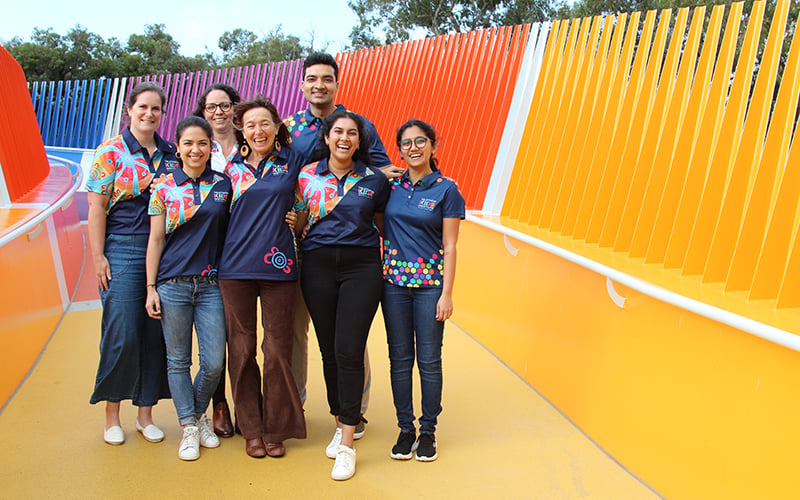
In celebration of World Breastfeeding Week (1 – 7 August), we sat down with Professor Valerie Verhasselt to ask her some of the top questions about breastfeeding and immunology.

Eight The Kids Research Institute Australia researchers are among those who have received grant funding from the Telethon-Perth Children’s Hospital Research Fund (TPCHRF).
A comprehensive review of scientific studies on the use of baby pacifiers (dummies) has found that they interfere with successful breastfeeding.