
Search
Showing results for "mental health aboriginal"
The prevalence of stillbirth in many high income countries like Australia has remained unchanged for over 30 years. The 2018 Australian government Senate Select Committee on Stillbirth Research and Education highlighted the need for a public health campaign to encourage public conversations and increase awareness.
Citation: Crabb, H., Summer, K., Burgess, R., Lansbury, N., and Wyber, R. (2026). Realising the health potential of remote community laundries
This study measures changes in participants' understanding of the role and scope of practice of the child health nurse facilitator, thereby supporting...
The aim of this article is to describe a three phase formative process to develop and pilot a curriculum version of the Alert Program®

Mineral Resources Limited has proudly committed its support as Principal Partner of the ground-breaking research project Yawardani Jan-ga
To evaluate the effectiveness of maternal pertussis vaccination for preventing pertussis infections in Aboriginal and Torres Strait Islander infants under seven months of age.
To explore data availability, perceived relevance, acceptability and feasibility of implementing 52 draft indicators for adolescent health measurement in different countries globally.
There is mounting concern over the potential harms associated with ultra-processed foods, including poor mental health and antisocial behavior. Cutting-edge research provides an enhanced understanding of biophysiological mechanisms, including microbiome pathways, and invites a historical reexamination of earlier work that investigated the relationship between nutrition and criminal behavior. Here, in this perspective article, we explore how this emergent research casts new light and greater significance on previous key observations.
Here we focus on the rapidly progressing microbiome science as a way to illustrate the pathways by which exposure to biodiversity supports health
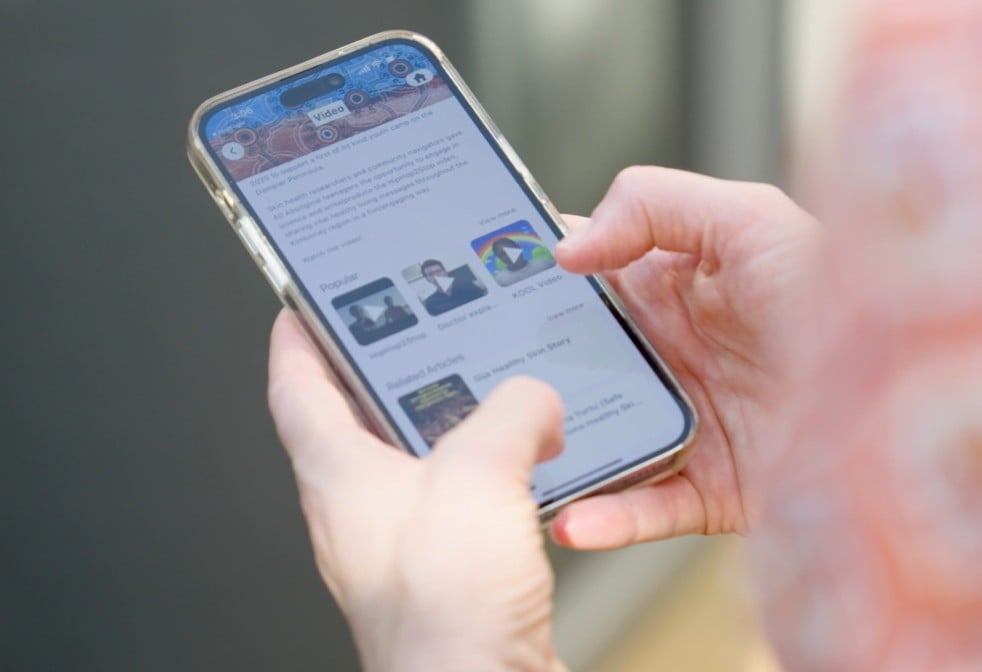
Aboriginal families across Western Australia are being equipped with the knowledge to take early action against potentially life-threatening skin infections thanks to the launch of a Strong Skin phone app.