
Search
Showing results for "early lung health"
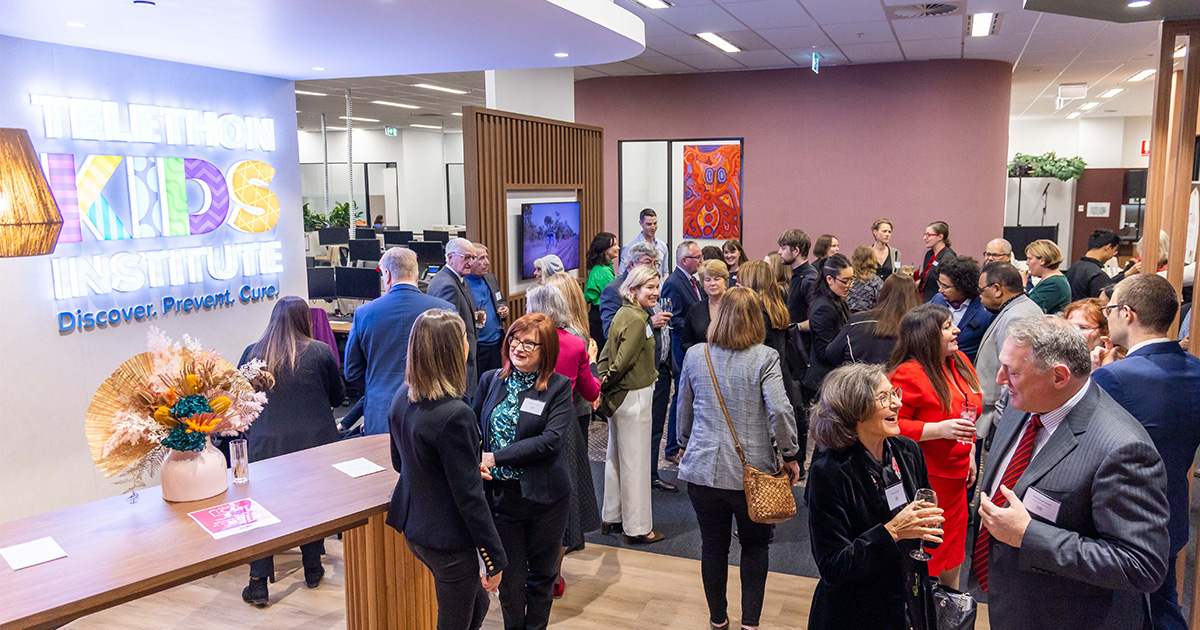
The Kids Research Institute Australia's Adelaide facility has been officially opened by South Australian Premier Peter Malinauskas.
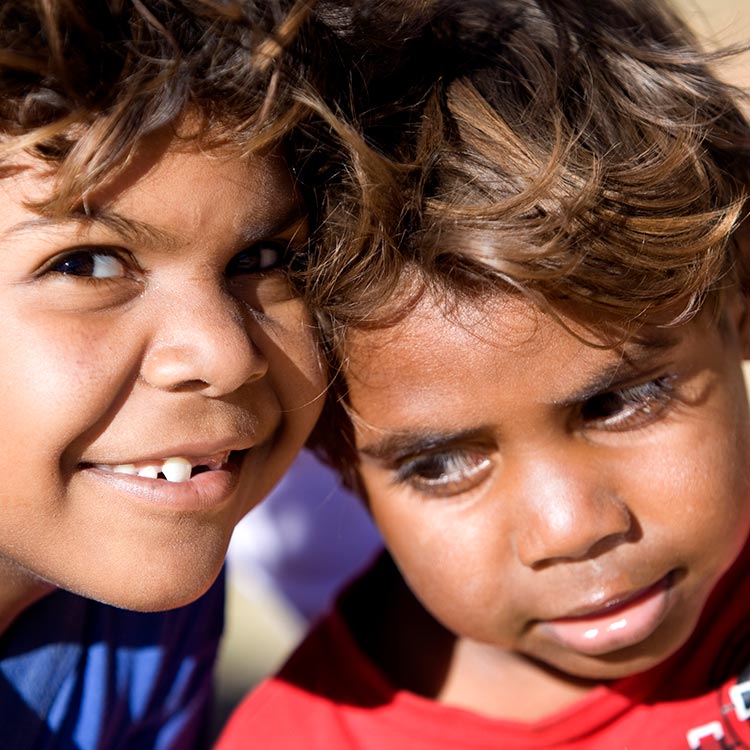
A multi-disciplinary team of researchers will use more than 40 years of data to pinpoint crucial areas that could be “turning points” in development where intervention could contribute to closing the gap in Aboriginal health in Australia.
Policy interventions to increase physical activity in early childhood education and care (ECEC) services are effective in increasing physical activity among young children. However, a large proportion of ECEC services do not have nor implement a physical activity policy.
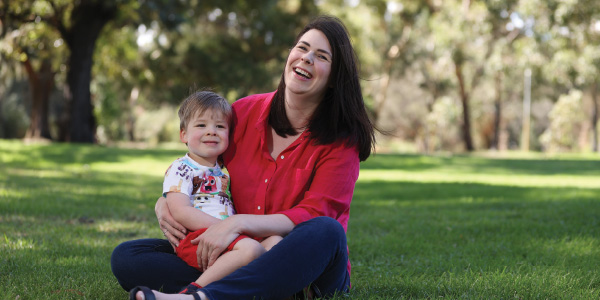
Amy Bertinshaw had a choice between ‘wait and see’ or seek help when she noticed her son Stirling was slower to meet developmental milestones at age 12 months.
This study aims to investigate the cellular and molecular profiles of the immune system in infants at high/low risk for Autism, as determined through clinical assessment.
Aboriginal children and families contend with higher rates of preventable infectious diseases that can be attributed to their immediate living environment. The environments in which children spend most of their time are their homes and schools. We aimed to understand the opportunities in the school setting to support student skin health and wellbeing through environmental health activities, how these activities were completed, and the barriers to their implementation.
Tasmania’s child and family centres users made more use of early childhood services than did non-users
This study investigates various common medical conditions affecting Australian children aged 4–14 years and the impact of prenatal and early-life conditions on these health conditions using a large national data set with 15 years of follow-up.
The goal of the current study was to investigate asthma and mental health among youth in the community.
This study assessed factors that could influence equipment and respite services use among Australian families caring for a girl/woman with Rett syndrome and...