
Search
Showing results for "early lung health"
The Opportunity Our Communications and Development team implements the Institute's overall communications, marketing and philanthropy strategies, as
IgE antibodies in house dust mite (HDM) allergy follow a predictable pattern. Half are directed against two dominant allergens and the remainder largely against
This review aims to systematically identify and summarise the effects of different antifungal therapies in children with proven, probable or suspected...

Discover resources and science activities for kids for the topic 'Meet Superhero Researchers'.
At The Kids, every element that enables or facilitates researchers to focus on their important work, is part of the shared 'research platform'. Learn more.
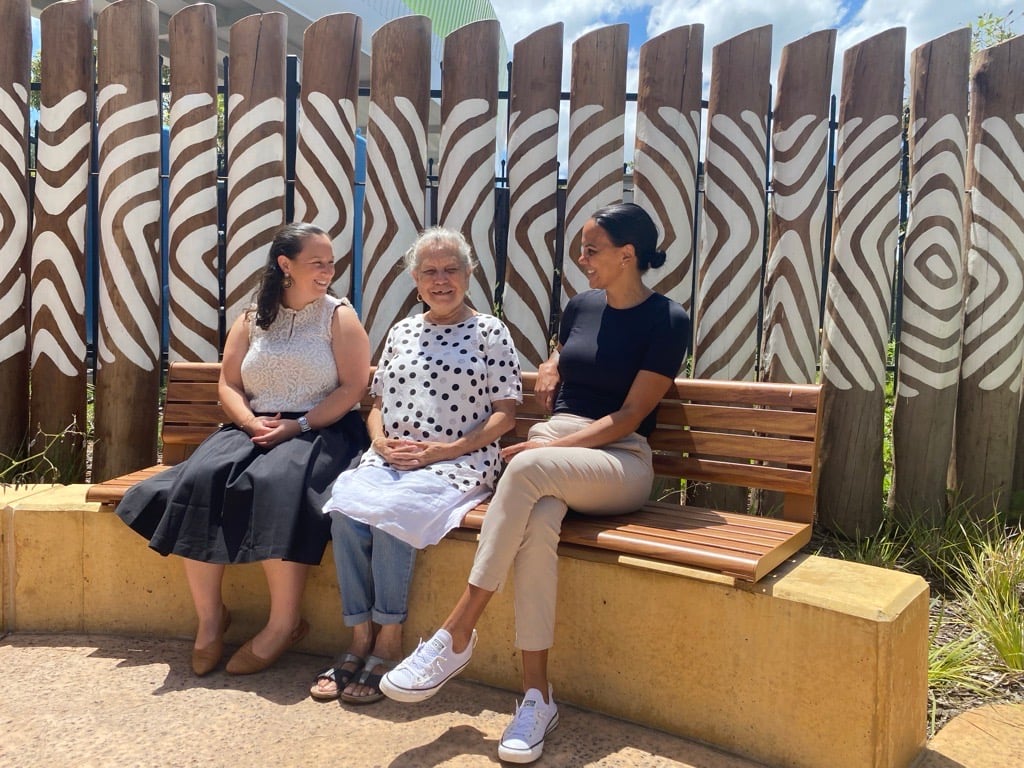
A first of its kind research program at The Kids Research Institute Australia aims to develop new strategies to better treat First Nations children with cancer.
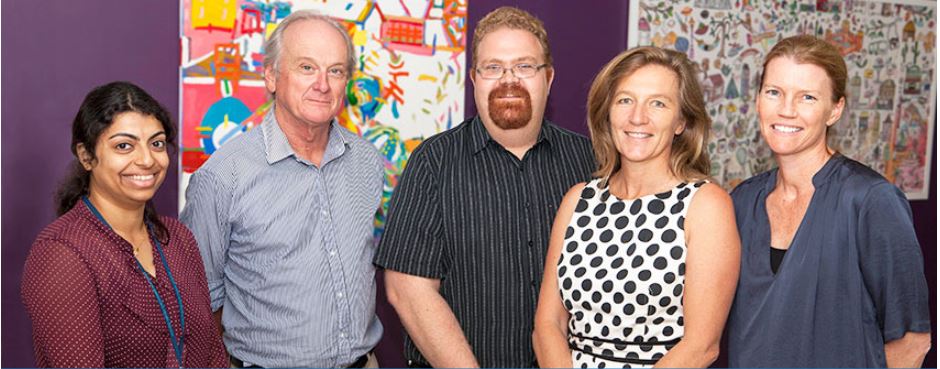
New research from the Children’s Diabetes Centre has found a pump that suspends insulin delivery when BGLs fall can halve the incidence of hypoglycaemia.
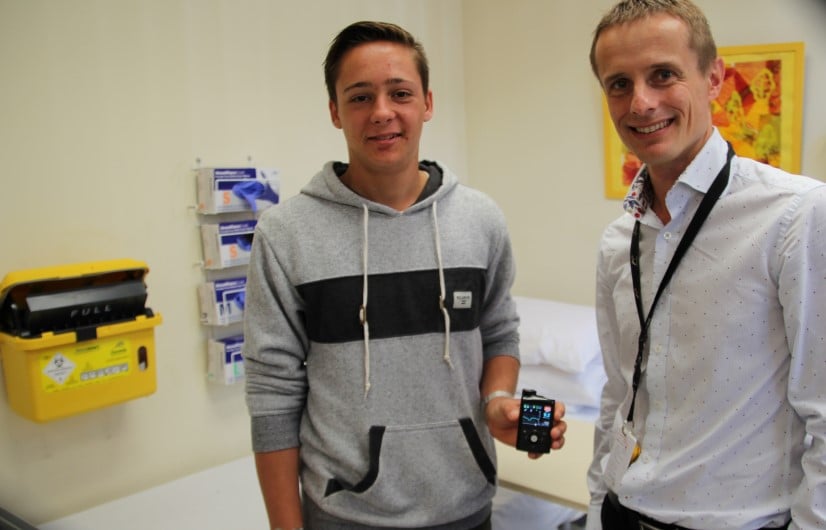
Meet Jake O’Brien, the first patient to take part in the longest and largest at-home trial of a hybrid closed-loop insulin pump.
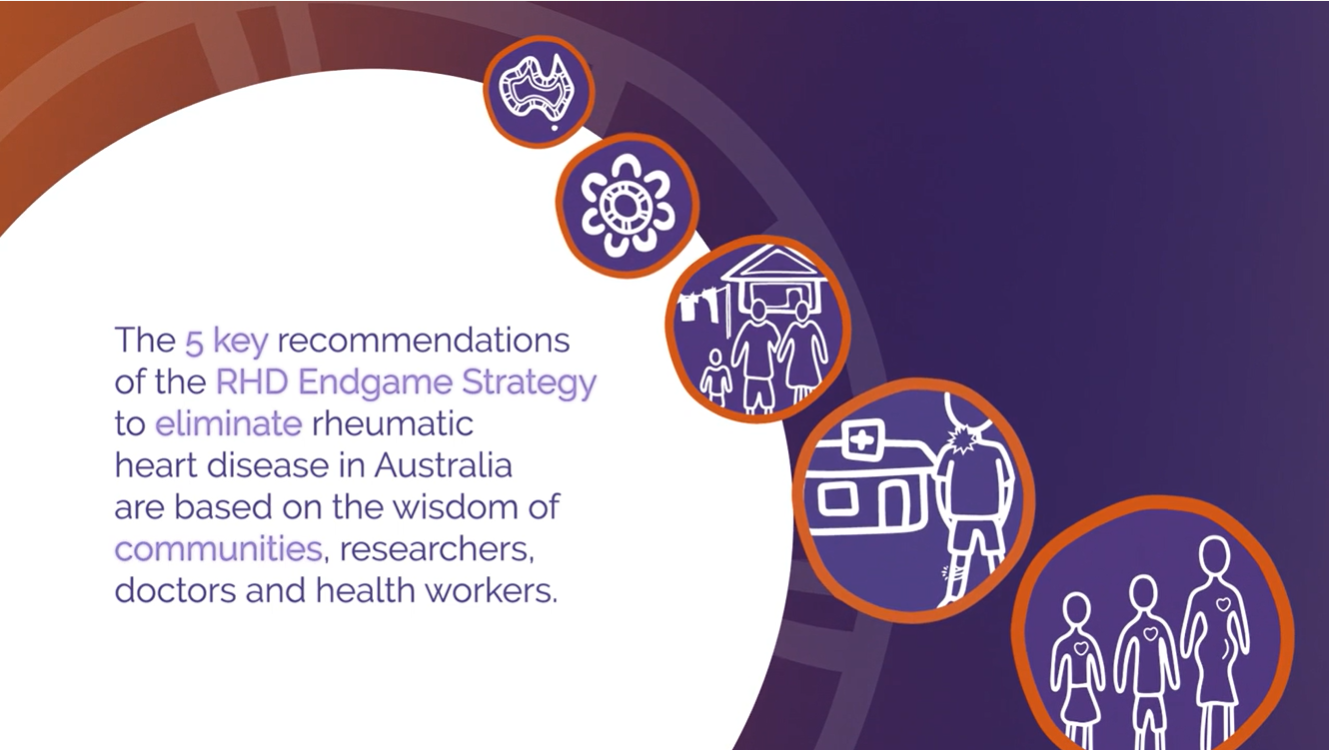
Across Australia, more than 5,000 Aboriginal and Torres Strait Islander people are currently living with rheumatic heart disease (RHD) or its precursor, acute rheumatic fever (ARF).
The current framework for testing and regulating vaccines was established before the realization that vaccines, in addition to their effect against the vaccine-specific disease, may also have "non-specific effects" affecting the risk of unrelated diseases. Accumulating evidence from epidemiological studies shows that vaccines in some situations can affect all-cause mortality and morbidity in ways that are not explained by the prevention of the vaccine-targeted disease.