
Search
Showing results for "early lung health"
Infant acute lymphoblastic leukemia (ALL) is characterized by a high incidence of KMT2A gene rearrangements and poor outcome. We evaluated the value of minimal residual disease (MRD) in infants with KMT2A-rearranged ALL treated within the Interfant-06 protocol, which compared lymphoid-style consolidation (protocol IB) versus myeloid-style consolidation (araC, daunorubicin, etoposide/mitoxantrone, araC, etoposide).
Rapid blood culture pathogen identification facilitated by matrix-assisted laser desorption ionisation time-of-flight and GeneXpert has the potential to improve antibiotic prescribing. This study investigates the impact of these rapid diagnostics on the timeliness of effective and optimal antibiotic prescribing in paediatric patients with bacteraemia.
In both high- and low-income countries, HIV-negative children born to HIV-positive mothers (HIV exposed, uninfected [HEU]) are more susceptible to severe infection than HIV-unexposed, uninfected (HUU) children, with altered innate immunity hypothesized to be a cause. Both the gut microbiome and systemic innate immunity differ across biogeographically distinct settings, and the two are known to influence each other.
Children with Primary Central Nervous System Lymphoma and no immunodeficiency have a good outcome
The Opportunity BEAT CF is a national, 5 year, multi-centre platform trial to improve the management of children and adults with Cystic Fibrosis. Be
The Opportunity While enjoying enormous success, the Institute operates in a highly competitive environment, especially for funding. As such,
The Opportunity While enjoying enormous success, the Institute operates in a highly competitive environment, especially for funding. As such,
The Opportunity This opportunity is within the Neonatal Research Group at The Kids Research Institute Australia. Our core medical and clinical
The Role Our helpful part time Welcome Crew deliver first class services to our visitors using a range of different technologies in line our vision
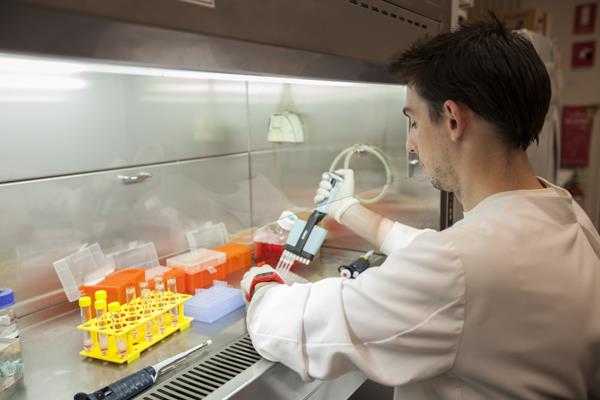
Our research teams are among the world’s best and we have strong affiliations with Perth Children's Hospital and all major Western Australian universities, particularly The University of Western Australia and Curtin University.