
Search
Showing results for "early lung health"

The Kids Research Institute Australia has been awarded its first Science in Australia Gender Equity (SAGE) Cygnet Award, recognising its progress in embedding flexible work practices that support equity and inclusion.
Preemptive pharmacogenomic (PGx) testing in pediatric oncology patients could reduce toxicity and improve efficacy of medications yet remains underutilized. Consumer identified implementation barriers have not been extensively explored nor included adolescent or young adult (AYA) patient perspectives. This study describes Australian pediatric oncology consumer perspectives on PGx testing, elucidating barriers to implementation.
KMT2A-rearranged acute lymphoblastic leukemia (ALL) in infants is an aggressive disease with 3-year event-free survival below 40%. Most relapses occur during treatment, with two thirds occurring within 1 year and 90% within 2 years after diagnosis. Outcomes have not improved in recent decades despite intensification of chemotherapy.
Children with Down syndrome (DS) are at a significantly higher risk of developing acute myeloid leukemia, also termed myeloid leukemia associated with DS (ML-DS). In contrast to the highly favorable prognosis of primary ML-DS, the limited data that are available for children who relapse or who have refractory ML-DS (r/r ML-DS) suggest a dismal prognosis. There are few clinical trials and no standardized treatment approach for this population.

Not only are cooked eggs perfectly safe to eat during pregnancy, they are also a great way to boost nutrient intake for both mums and bubs.
One of The Kids Research Institute Australia’s leading young researchers will travel to the world’s premier conference on childhood brain cancer.
Dr Hayley Passmore is among four nominees for Western Australia’s 2022 Young Australian of the Year.
Most mums-to-be have never heard of CMV and the impact it can have on their unborn baby.
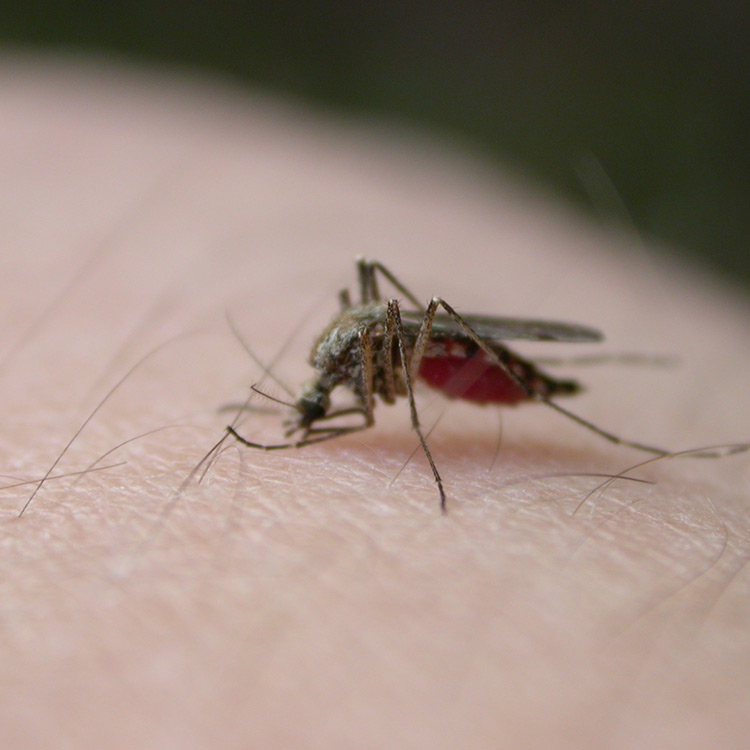
WA Researchers have conducted an Australian-first study to determine the prevalence of microcephaly, in preparation of any future outbreak of the Zika virus.

Introducing the Rio Tinto Children's Diabetes Centre: A JDRF Global Centre of Excellence