
Search
Showing results for "aboriginal respiratory"
Expiratory flow limitation is more prevalent in children born preterm with bronchopulmonary dysplasia and is associated with airway obstruction
Exhaled breath condensate (EBC) collection is a non-invasive, safe method for measurement of biomarkers in patients with lung disease. Other methods of obtaining samples from the lungs, such as bronchoalveolar lavage, are invasive and require anaesthesia/sedation in neonates and infants. EBC is particularly appealing for assessing biomarkers in preterm-born infants, a population at risk of ongoing lung disease.
This study explored how children and adolescents with a neuromuscular disorder (NMD) and their parents experienced barriers and enablers to the child's participation.
Globally, Indigenous peoples have incurred significant harm due to colonisation of their lands. Dispossession of culture, language, family and land, and the historical, systematic removal of children in Australia (the ‘Stolen Generation’), has resulted in evident ongoing negative outcomes in the contemporary lives of Aboriginal and Torres Strait Islander people.
Current NICE 2015 guidelines for bronchiolitis state that the use of HFNC is becoming widespread without demonstration of additional efficacy.
The purpose of this paper is to highlight a perspective for decolonizing research with Australian First Nations and provide a framework for successful and sustained knowledge translation by drawing on the recent work conducted by a research group, in five remote communities in North-Western Australia.
The Wesfarmers Centre is pleased to announce the successful applications for the 2016 Round 2 Wesfarmers Centre Seed Funding.
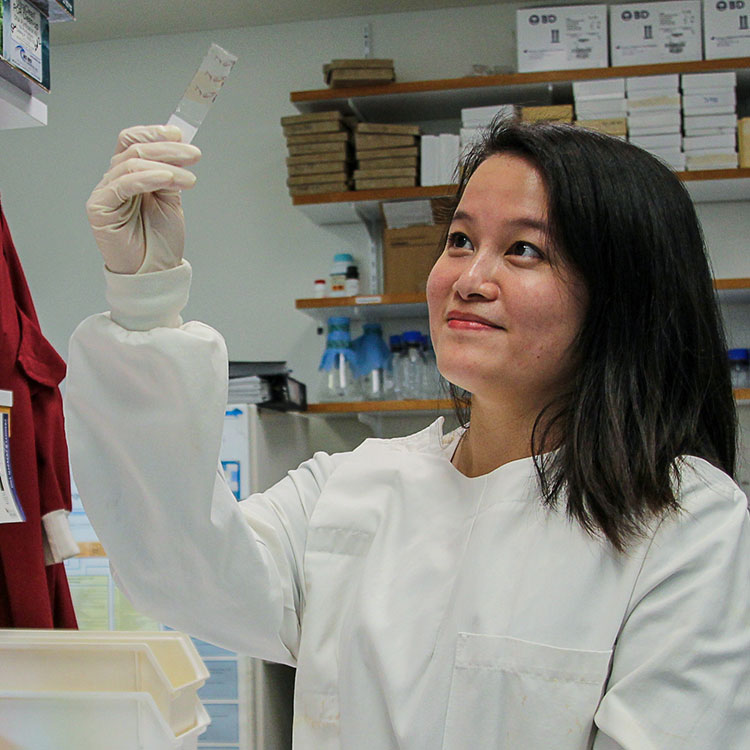
The Kids Research Institute Australia researchers have been awarded five of eight State Government awards designed to help cover the hidden costs of conducting research.
Electronic cigarette use, especially among younger members of society, has grown to concerning levels in many countries, including Australia and New Zealand. Uptake in the general population, driven by technological and pharmacological innovations, and accelerated by aggressive tobacco/vaping industry marketing, has outpaced medical research.
The Opportunity An opportunity for an experienced Research Officer to cover a period of Maternity Leave relief 2-3 days per week from February 2019