
Search
Showing results for "Childhood interstitial lung disease "
Dental caries remains the most common chronic childhood condition and in Australia persists as a leading cause of potentially preventable hospitalisation. Despite various public health initiatives and improvements in oral health among the wider community, significant disparities exist among refugee families due to the unique challenges they face.
To explore how those with a physical illness in childhood are managing in relationships across childhood to young adulthood.
The understanding of children's social and emotional development in middle childhood is critical to promote well-being throughout the life course. Children who fail to develop social and emotional competencies are more likely to experience difficulties in adulthood and, in the worst case, psychopathology. The current study will employ Cross-Lagged Network Models to investigate children's social and emotional development among Australian children aged 6 to 10 years.
Systemic Epstein-Barr virus-positive T-cell lymphoma of childhood (STCLC) is a rare and highly aggressive malignancy with a dismal prognosis and no standard curative treatment. This report describes the first reported case of STCLC in a White child who, after experiencing failure with intensive chemotherapy regimens, achieved a complete response following targeted immunotherapy.
An in-depth investigation of gene regulation and cell populations at sites of fetal blood-cell production provides clues as to why children with Down’s syndrome are predisposed to developing leukaemia.
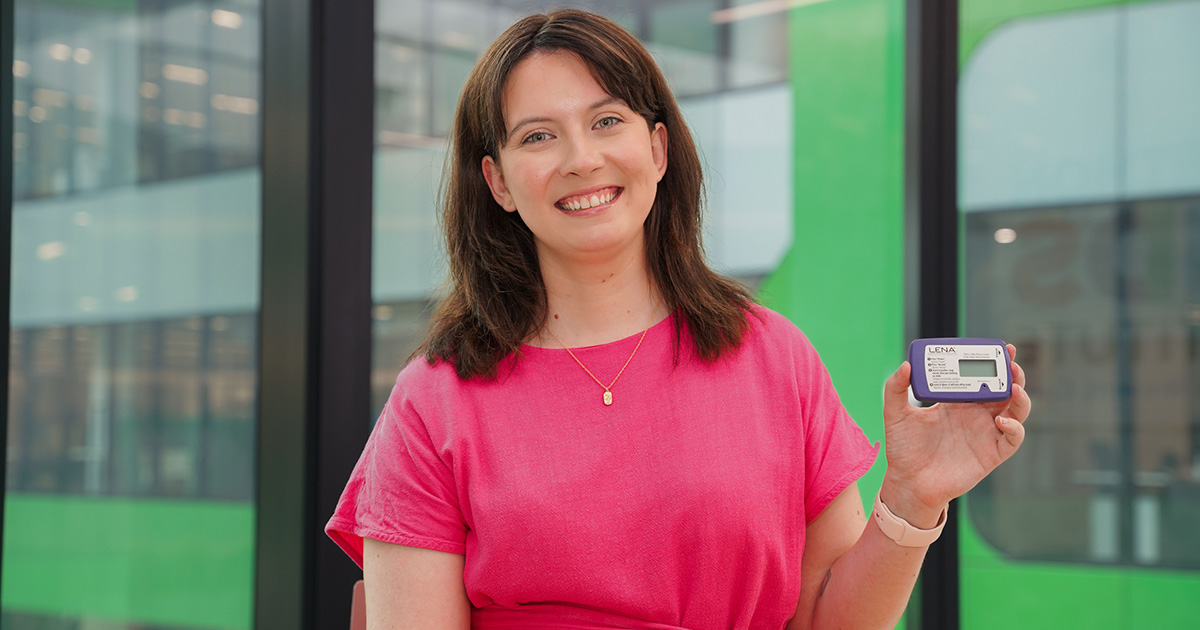
A The Kids Research Institute Australia researcher whose PhD studies highlighted the link between screen time exposure and toddlers’ language development has been named a finalist in South Australia’s Science Excellence and Innovation Awards.
This project will be conducted in conjunction with the Perth Childrens Hospital Health Weight Service (PCHHWS) and will involve three phases.
The impact of children’s experiences through their first 2,000 days of life – from conception to the start of full-time schooling – are widely acknowledged.
Play Active is a national, low-cost, evidence-based program to boost energetic play in early childhood education and care. It offers free professional development for educators.
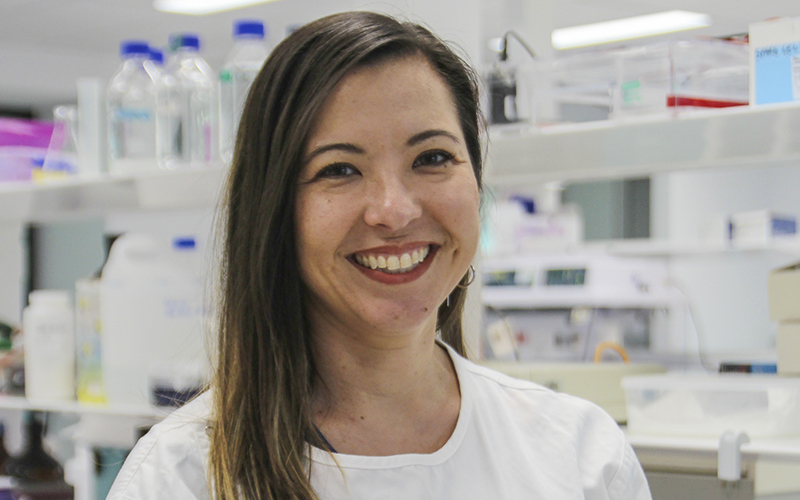
The Kids Research Institute Australia researcher, Dr Raelene Endersby, will work to develop less toxic treatments for children with brain cancer, thanks to support from Cancer Council WA.