
Search
Showing results for "clinical trials"
Biostatistician, Infectious Disease Implementation Research
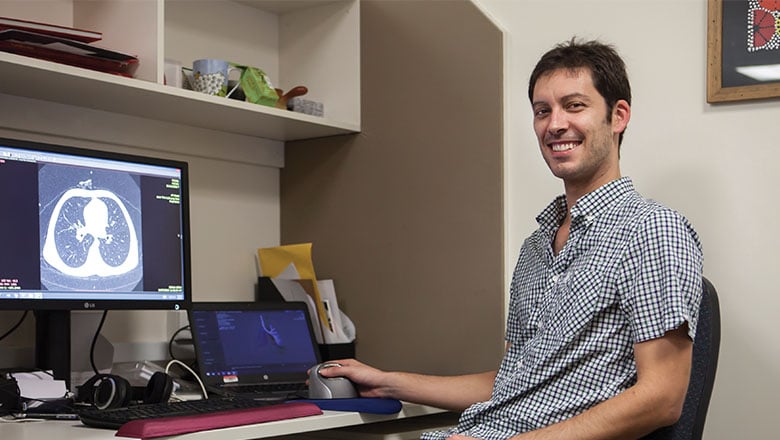
PRAGMA-CF, a new way of measuring early lung disease in young kids with cystic fibrosis is changing the way we detect and treat CF.
Two The Kids Research Institute Australia researchers recognised for their role in building a global database for CDKL5 deficiency disorder are now helping to set the scene for clinical trials of much-needed potential treatments.
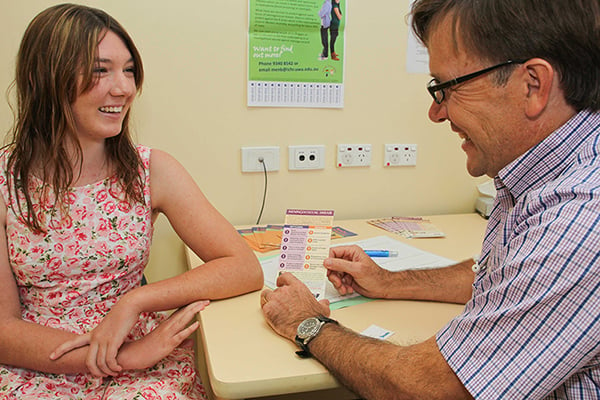
Meningococcal disease is caused by the bacteria Neisseria meningitidis, or 'meningococcus'. It is an uncommon but very serious disease that can result in death if not recognised and treated quickly.
This article introduces the second revision of the Australian and New Zealand consensus guidelines for the use of antifungal agents in the haematology/oncology setting.
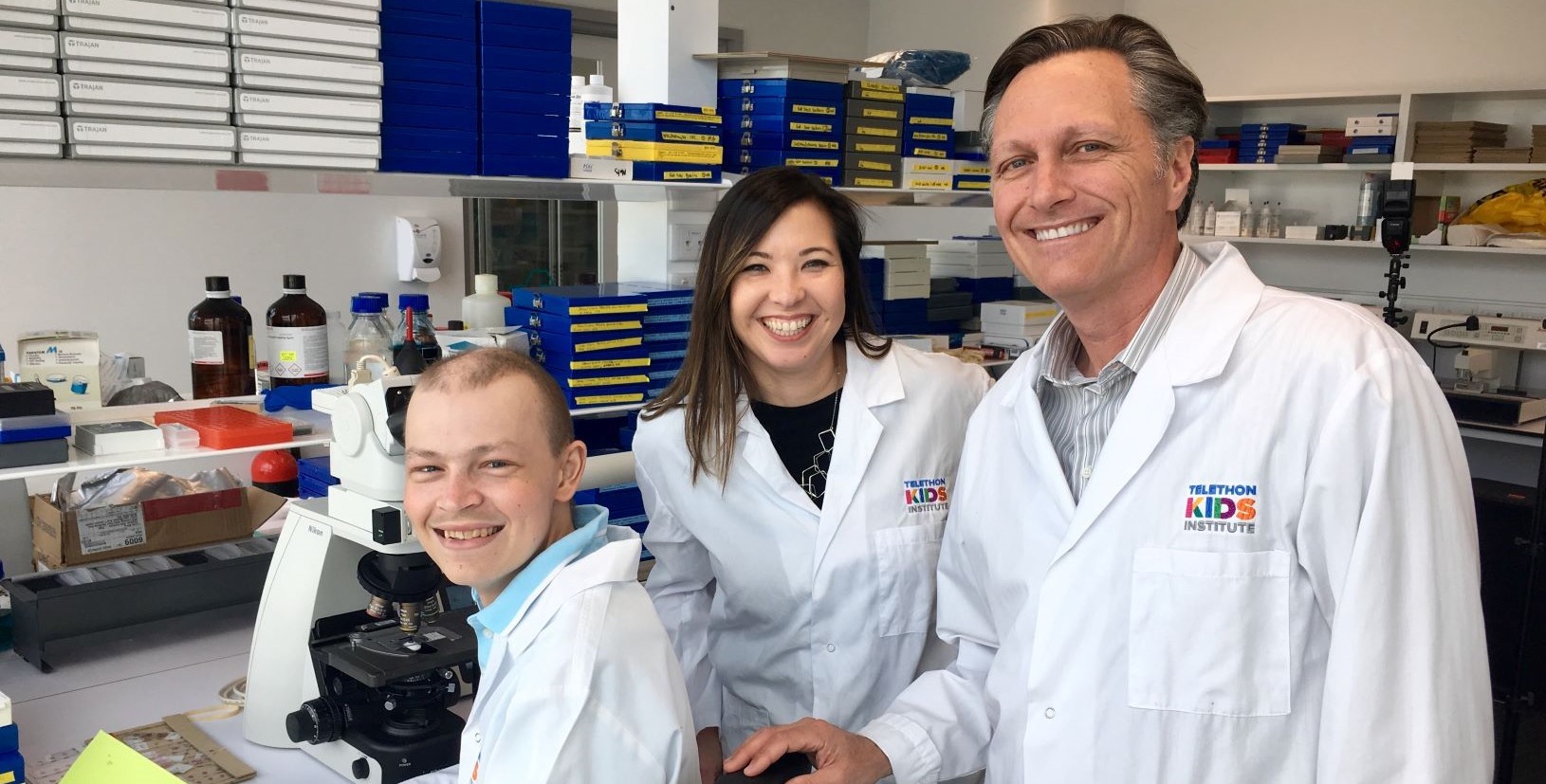
An international clinical trial led by The Kids Research Institute Australia Cancer Centre is trialling a drug which could increase cure rates for aggressive forms of childhood brain cancer.
As herpes simplex virus in infancy is not a mandatory notifiable condition in Australia, completeness of ascertainment by the Australian Paediatric Surveillance Unit (APSU) has been difficult to evaluate to date. We evaluated case capture in Queensland and Western Australia using statewide laboratory and clinical data and complementary surveillance data collected via the APSU.
Antimicrobial stewardship (AMS) is crucial for optimizing antimicrobial use and restraining emergence of antimicrobial resistance. The overall increase in reported antibiotic allergies in children can pose a significant barrier to AMS, but its impact on clinical AMS care in children has not been addressed.
Management and outcomes of children hospitalised with acute SARS-CoV-2 infection may differ throughout the pandemic or with admission type (clinical COVID-19, incidental COVID-19 or nosocomial infection).
The WA Kids Cancer Centre brings together clinicians and researchers working together to defeat childhood cancer.