
Search
Showing results for "early lung health"
AussieRett is the Australian Rett syndrome research study. We collect information on Australian individuals with Rett syndrome from both families and clinicians
Through InterRett we collect information on individuals with Rett syndrome on a global level. If you are a participant you can complete your questionnaire here.
The 2019 IIC Perth is a clinical training course in childhood infectious diseases, being held in Western Australia for a second time after the success of the first event in 2016.
Contact us If you'd like to get in touch, please contact Marie Nadal-Sims by phone or email. Phone: (08) 6319 1001 Email: IICPerth@thekids.org.au All
General practice-based care for Australian children is facing low levels of clinical guideline adherence particularly in three key areas: asthma, type 1 diabetes and antibiotic use. We offer an implementation science-informed position paper, providing a broad overview of how we aim to address this issue.
Hepatitis B (HBV) prevalence is very high in pregnant women in the Dolpa district of Nepal, a region characterised by a remote geographic landscape and low vaccination coverage. Using mathematical modelling, we evaluated the impact of third-trimester tenofovir disoproxil fumarate (TDF) prophylaxis on HBV burden and estimated the time required to achieve HBV elimination in Dolpa.
Autism genetics has historically attracted a substantial proportion of autism research funding internationally. However, more recently, several controversies centered on ethical conduct and lack of community consultation have emerged. This has triggered Autistic-led protests for the functional and meaningful inclusion of Autistic voices in the research design.
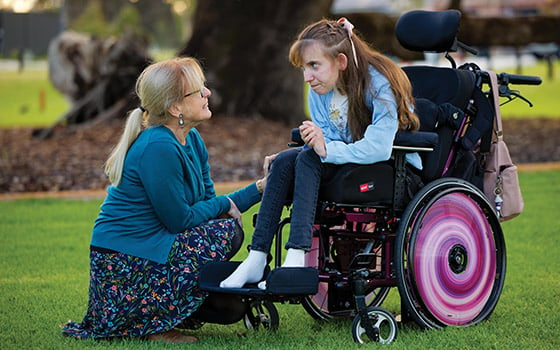
The Quality of Life Inventory - Disability
The aim of this study was to investigate the influence of children's autism characteristics, sensory profiles and feeding difficulties on caregiver-reported impact at mealtimes.
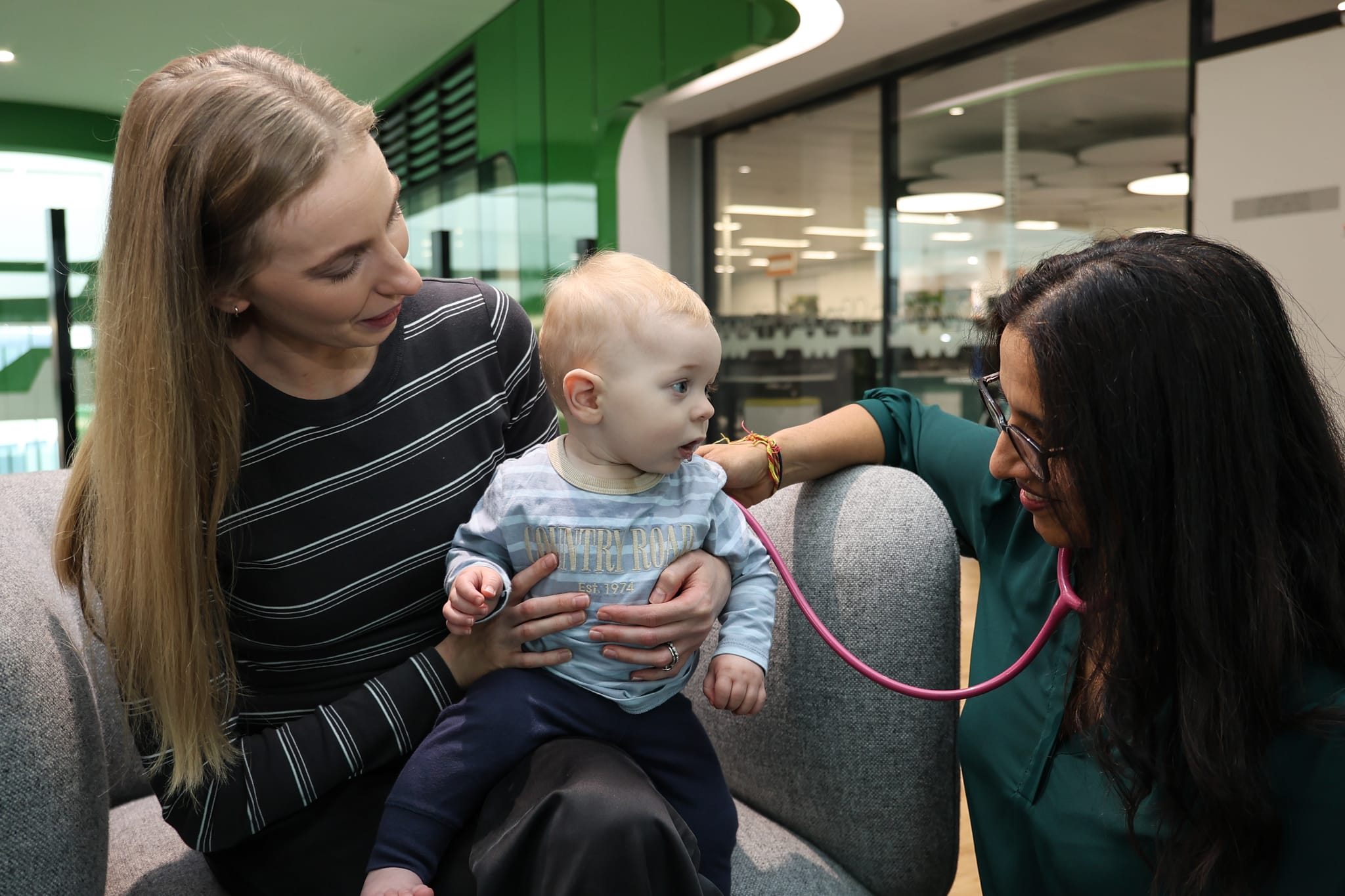
Australia’s new respiratory syncytial virus (RSV) immunisation program cut hospital admissions for Australia’s youngest babies by almost half in its first year, a new major national study has shown.