
Search
Showing results for "early lung health"
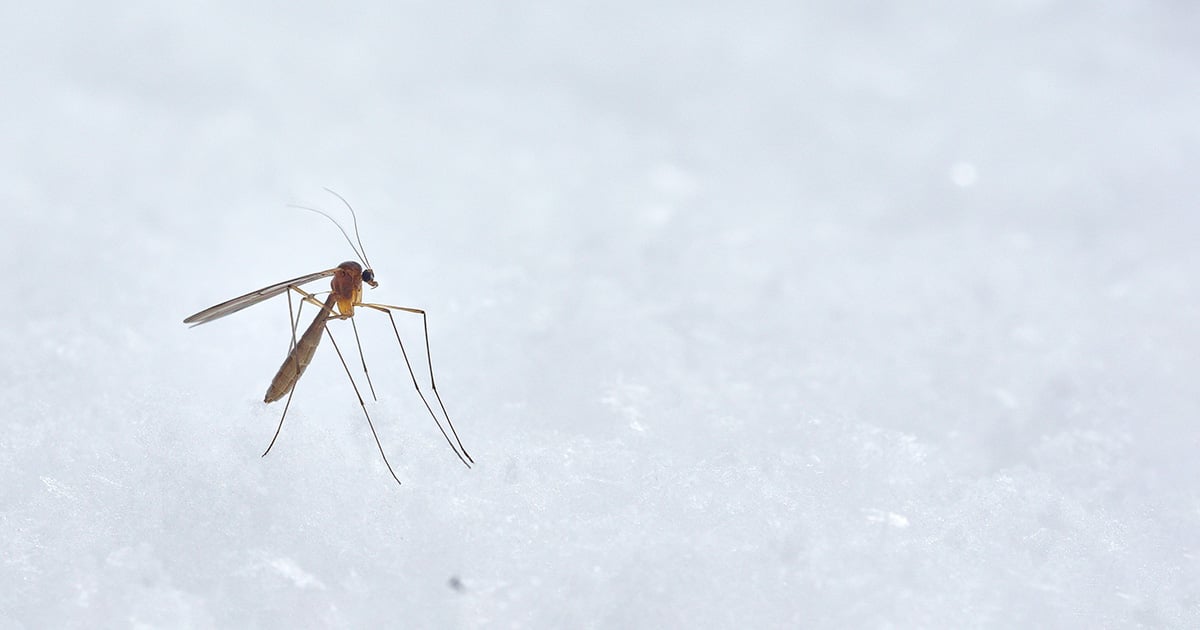
Disruptions of malaria case management caused by the COVID-19 pandemic likely contributed to an extra 76,000 malaria deaths in sub-Saharan Africa, according to analysis by The Kids Research Institute Australia and Curtin University.
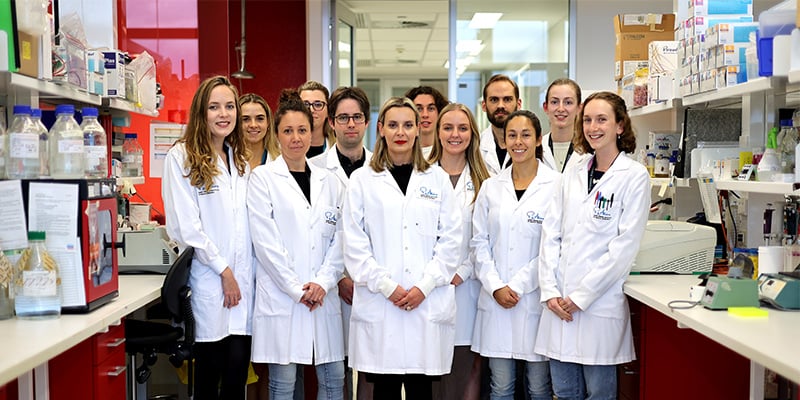
Aleksandra Filipovska has been elected a Fellow of the Australian Academy of Health and Medical Sciences.
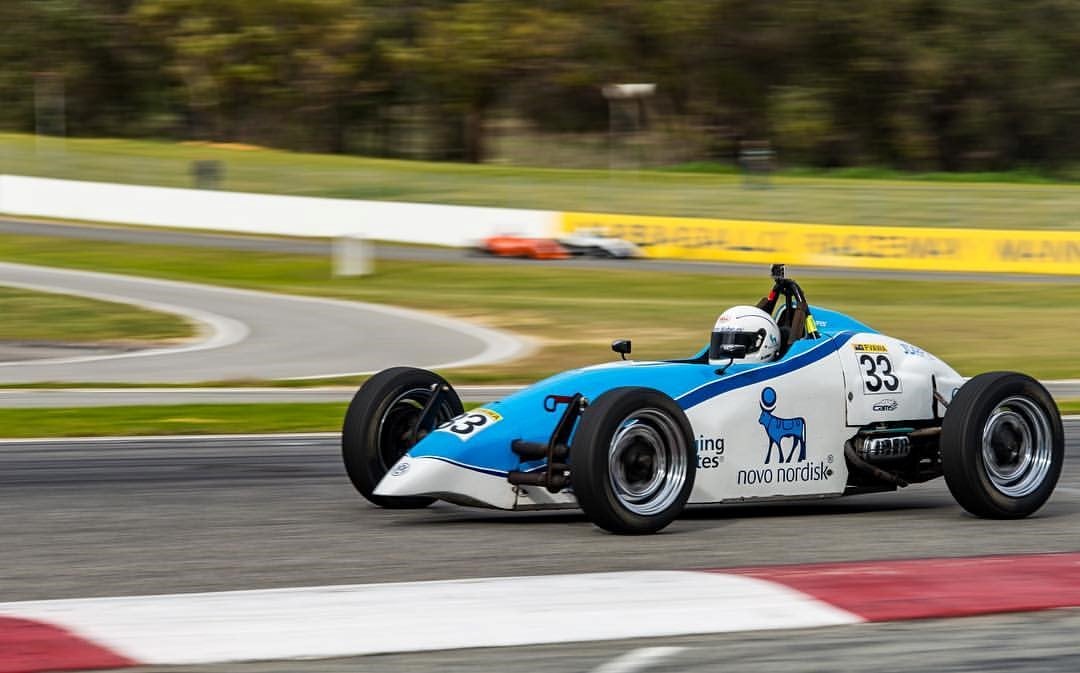
April Welsh lives life in top gear, literally. Diagnosed with T1D just before her 4th birthday, April became the first female to race in the Formula Vee
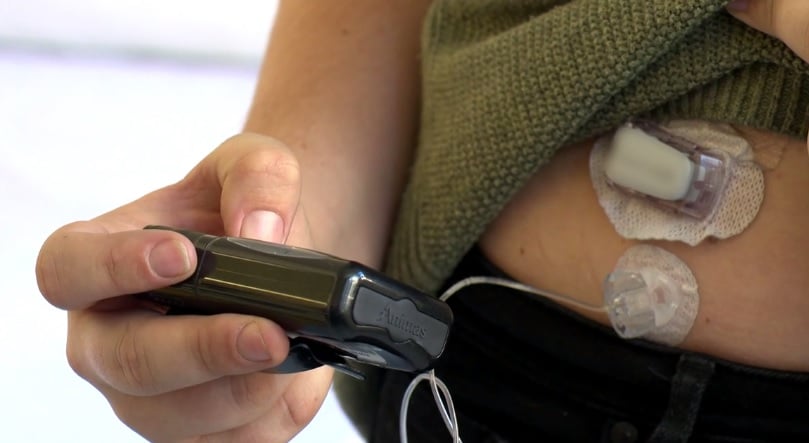
The PMH Diabetes Clinic welcomes the recent Federal Government announcement making fully subsidised Continuous Glucose Monitoring available to young people.
NEC Australia has joined forces with The Kids Research Institute Australia to ensure a state-of-the-art ICT system is in place at the new Perth Children’s Hospital.
Invasive fungal disease (IFD) is a common and important complication in children with acute myeloid leukaemia (AML). We describe the epidemiology of IFD in a large multicentre cohort of children with AML.
Invasive fungal disease (IFD) remains a common and serious complication in children treated for leukaemia. Antifungal prescription in children with leukaemia presents unique challenges, particularly due to variation in IFD risk between and within leukaemia treatment protocols, drug toxicities and interactions between antifungals and chemotherapeutic agents.
Following reduction of public health and social measures concurrent with SARS-CoV-2 Omicron emergence in late 2021 in Australia, COVID-19 case notification rates rose rapidly. As rates of direct viral testing and reporting dropped, true infection rates were most likely to be underestimated.

Like many of us, consumer and community advocate Catherine Hughes is worried about the impact of COVID-19. So she joined Australia’s first COVID-19 consumer reference group to be a voice for the community.

Australia’s TGA has granted a provisional determination to Pfizer, allowing the pharmaceutical company to apply for approval to extend its COVID-19 vaccine to children aged 6 mths - 4 yrs.