
Search
Showing results for "aboriginal respiratory"
Globally, Indigenous peoples have incurred significant harm due to colonisation of their lands. Dispossession of culture, language, family and land, and the historical, systematic removal of children in Australia (the ‘Stolen Generation’), has resulted in evident ongoing negative outcomes in the contemporary lives of Aboriginal and Torres Strait Islander people.
The purpose of this paper is to highlight a perspective for decolonizing research with Australian First Nations and provide a framework for successful and sustained knowledge translation by drawing on the recent work conducted by a research group, in five remote communities in North-Western Australia.
In the 1990s pneumonia hospitalisation rates in Western Australia (WA) were 13 times higher in Indigenous children than in non-Indigenous children...
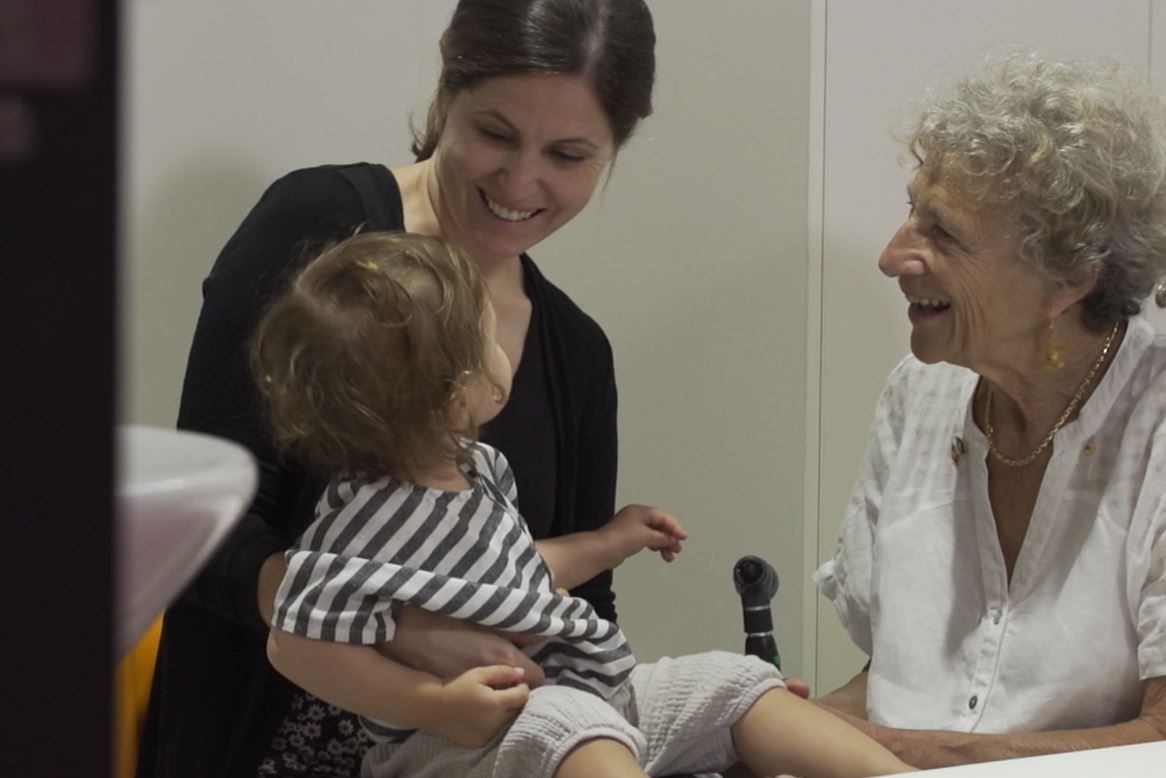
Leading infectious diseases researcher, Clinical Associate Professor Deborah Lehmann AO, has been named a finalist for the Australian Museum Eureka Prizes for her work training and mentoring a new generation of researchers.
Tom Snelling BMBS DTMH GDipClinEpid PhD FRACP Head, Infectious Disease Implementation Research 08 6319 1817 tom.snelling@thekids.org.au Head,
Sepsis is a significant cause of mortality for children in Australia, particularly affecting young children, those with pre-existing health conditions and Aboriginal and Torres Strait Islander populations. The transition from hospital to home can be challenging for survivors, often leaving long-term impacts unaddressed.
Otitis media with effusion (OME) affects hearing, speech development, and quality of life (QoL) in children. The 'Blow, Breathe, Cough' (BBC) intervention promotes nasal, respiratory, and middle ear clearance through nose blowing, deep breathing, coughing, and hand hygiene. It shows promise in resolving OME but lacks randomized-controlled trial (RCT) evaluation. This paper presents a RCT protocol evaluating BBC's effect on OME resolution, hearing, speech, and QoL in children aged two to seven years.
The authors assessed the impact of including preschool‐aged children with a history of preterm birth, early life wheeze, asthma diagnoses and/or recent respiratory symptoms in healthy reference ranges for respiratory impedance using the forced oscillation technique (FOT).
Establishing the underlying cause in a child with chronic suppurative lung disease (CSLD) allows for targeted treatment and screening for associated complications. One cause of CSLD is primary ciliary dyskinesia (PCD). Testing for PCD requires specialist expertise which is not widely available.
High-flow nasal oxygen (HFNO) is frequently used in hospitals, producing droplets and aerosols that could transmit SARS-CoV-2. Our aim was to determine if a headbox could reduce droplet and aerosol transmission from patients requiring HFNO.