
Search
Showing results for "early lung health"
Introduction Grades 2 and 3 gliomas (G2/3 gliomas), when combined, are the second largest group of malignant brain tumours in adults. The outcomes for G2/3 gliomas at progression approach the dismal outcomes for glioblastoma (GBM), yet there is a paucity of trials for Australian patients with relapsed G2/3 gliomas compared with patients with GBM.
Malignant central nervous system (CNS) cancers are among the most difficult to treat, with low rates of survival and a high likelihood of recurrence. This is primarily due to their location within the CNS, hindering adequate drug delivery and tumour access via surgery. Furthermore, CNS cancer cells are highly plastic, an adaptive property that enables them to bypass targeted treatment strategies and develop drug resistance.
The large diversity of central nervous system (CNS) tumor types in children and adolescents results in disparate patient outcomes and renders accurate diagnosis challenging. In this study, we prospectively integrated DNA methylation profiling and targeted gene panel sequencing with blinded neuropathological reference diagnostics for a population-based cohort of more than 1,200 newly diagnosed pediatric patients with CNS tumors, to assess their utility in routine neuropathology.
To investigate incidence and survival of childhood tumours of the central nervous system (CNS) by histological subtype, tumour behaviour and tumour grade. Methods: National, population-based data on all children under 15 years old diagnosed with a CNS tumour between 1983 and 2016 were sourced from the Australian Childhood Cancer Registry. Incidence rate trends were calculated using Joinpoint regression.
A higher incidence of pediatric intracranial germ cell tumors (iGCTs) in Asian countries compared with Western countries has been reported. In Malaysia, the literature regarding pediatric iGCTs have been nonexistent. The aim of this study was to review the management, survival, and long-term outcomes of pediatric iGCTs at a single tertiary center in Malaysia.
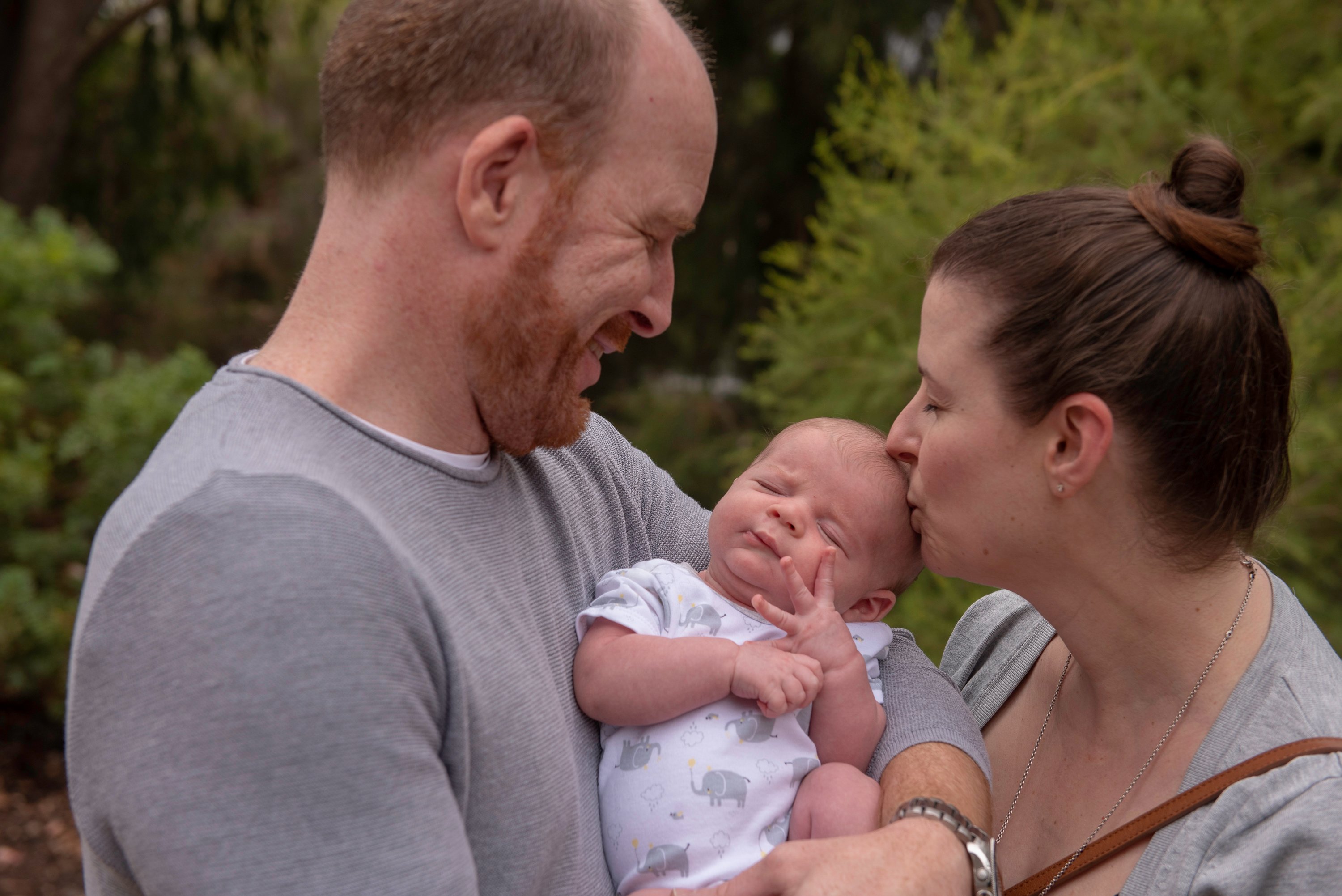
Engaging activities to help families keep kids happy and healthy during social isolation are available in an Australian app underpinned by the latest child development science.

In this blog, Senior Occupational Therapist Gayle Hillen explores the steps to developing a functional pencil grasp.
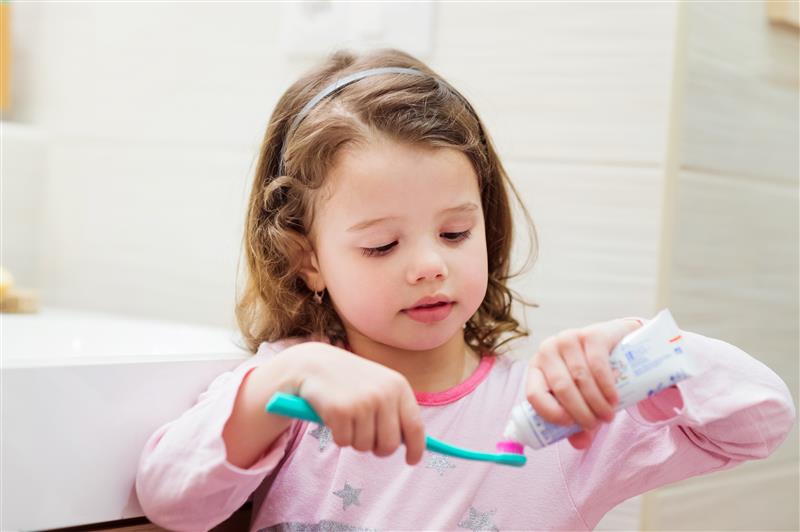
In this blog, Occupational Therapy Clinical Lead Marie Rodatz shares top tips for developing independence with daily living skills —bathing or showering, washing hands, brushing teeth and dressing — in children.
Nick Gottardo MBChB FRACP PhD Co-Head, Brain Tumour Research team; Head of Oncology and Haematology, Perth Children’s Hospital nicholas.gottardo@
Liz Tim Davis Jones MBBS FRACP PhD MBBS DCH FRACP MD Co-director of Children’s Diabetes Centre Co-head, Diabetes and Obesity Research Co-director of