
Search
Showing results for "aboriginal respiratory"
Lung-function impairment underlies chronic obstructive pulmonary disease (COPD) and predicts mortality. In the largest multi-ancestry genome-wide association meta-analysis of lung function to date, comprising 580,869 participants, we identified 1,020 independent association signals implicating 559 genes supported by ≥2 criteria from a systematic variant-to-gene mapping framework. These genes were enriched in 29 pathways. Individual variants showed heterogeneity across ancestries, age and smoking groups, and collectively as a genetic risk score showed strong association with COPD across ancestry groups.
We are working with the leadership and staff at foster care agencies and community members to provide information about cultural connection, and cultural activity and resources for Aboriginal children living in non-Aboriginal care arrangements.
In the 1990s pneumonia hospitalisation rates in Western Australia (WA) were 13 times higher in Indigenous children than in non-Indigenous children...
Aboriginal and Torres Strait Islander children continue to be removed at high rates from their families by child protection services, placing them at elevated risk of adverse long-term life outcomes. Cultural connection in out-of-home care is essential for mitigating the impacts of trauma from removal, emphasizing the importance of ensuring that cultural planning is rigorously undertaken. This article explores the provision of cultural plans in an era where out-of-home care services are outsourced by government, but where government holds onto the responsibility for developing cultural plans for children in care.
We observed an association between Type III DNA methyltransferase presence and Otitis Media-associated middle ear isolates
Influenza diagnosis codes had high specificity (98.6%) and modest positive predictive value (PPV; 84.1%) and sensitivity (86.1%) for a laboratory-confirmed...
The authors assessed the impact of including preschool‐aged children with a history of preterm birth, early life wheeze, asthma diagnoses and/or recent respiratory symptoms in healthy reference ranges for respiratory impedance using the forced oscillation technique (FOT).
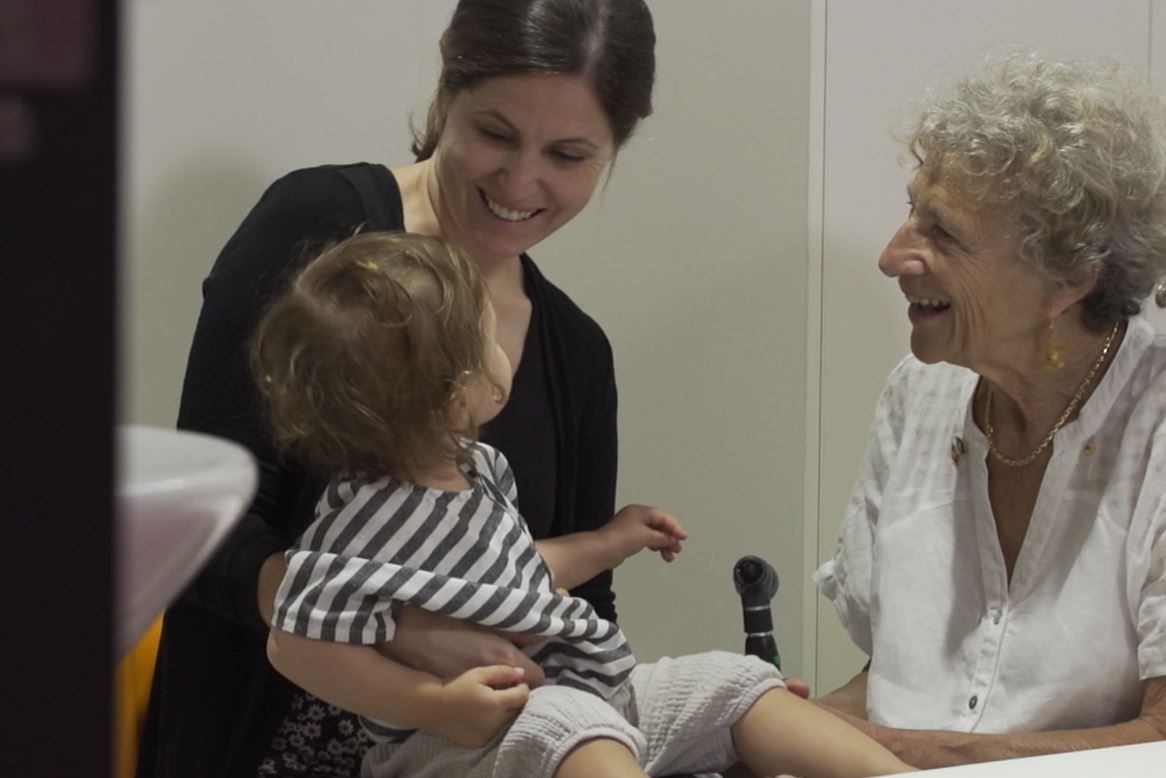
Leading infectious diseases researcher, Clinical Associate Professor Deborah Lehmann AO, has been named a finalist for the Australian Museum Eureka Prizes for her work training and mentoring a new generation of researchers.
Tom Snelling BMBS DTMH GDipClinEpid PhD FRACP Head, Infectious Disease Implementation Research 08 6319 1817 tom.snelling@thekids.org.au Head,
Respiratory viruses, particularly respiratory syncytial virus and human metapneumovirus, are major contributors to pneumonia in Australian children