
Search
Showing results for "autism"
Publicly insured women usually have a different demographic background to privately insured women, which is related to poor neonatal outcomes after birth.
Western Australia’s biggest and only medical research institute dedicated to improving kids’ health and wellbeing, has rebranded to The Kids Research Institute Australia.
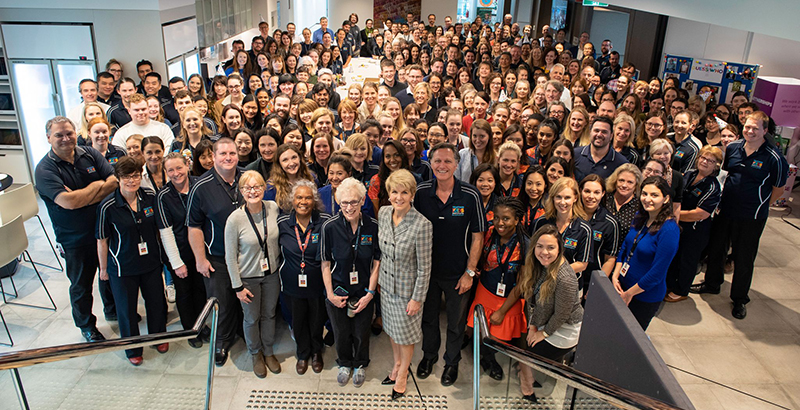
It's The Kids Research Institute Australia's first anniversary within Perth Children’s Hospital
Dissociative symptoms are linked to experiences of trauma, often originating in childhood and adolescence. Dissociative disorders are associated with a high burden of illness and a poor quality of life. Despite evidence suggesting that early intervention can improve outcomes, little research exists on the treatment of dissociative disorders in childhood and adolescence.
To explore the factors influencing the uptake of cochlear implants in adults, determine the impact of each factor, and to conceptualize the journey to implantation from a multistakeholder perspective. Concept mapping was used to integrate input from multiple stakeholders, each with their own experience and expertise.
Eating disorders (EDs) are increasingly recognised among neurodivergent and transgender and gender diverse (TGD) individuals, yet most assessment and treatment models remain grounded in cisnormative and neuronormative assumptions and frameworks. Sensory processing, spanning interoception and exteroception, has been proposed as a potential factor that may help explain observed associations between neurodivergent traits, gender incongruence, and EDs.
We report two rare genetic aberrations in a schizophrenia patient that may act together to confer disease susceptibility.
It is well recognized that genetic disease makes a significant contribution to childhood illness. Here, we present recent population data describing...
To investigate the prevalence, trends, and characteristics of maltreatment and assault related hospital admissions and deaths among children

Biostatistician